What’s Your Game Art Style? Aesthetics Every Artist Should Know

SteamDB reports that more than 15,000 games were published on its distribution platform in 2025. With thousands of games released each year from indie studios and AAA developers alike, there’s no shortage of variety across the industry. And with so many games competing for attention, a game’s art style is often the first thing that catches a player’s eye.
Every game makes visual choices that shape its identity. This article breaks down the most common game art styles, what makes each one distinct, and how to start figuring out which ones speak to you.
Why Art Style Matters in Video Games
Video games are built from many moving parts, but it’s the art that visually ties them all together and helps players enjoy a cohesive experience. Determining a game’s art direction lays the foundation for the other pieces to fall into place.
Technical mechanics, level design, sound design, and narrative decisions all need to work in harmony with the visuals. For example, a game with dark themes, eerie sound effects, and gothic storytelling wouldn’t land the same way if it were set in a bright, sunny, cartoony world. Every game makes deliberate stylistic choices based on its genre, tone, and target audience.
Art Style Sets the Scene
Before a player reads a single word or presses a button, the game’s visual style helps set expectations beyond the loading screen. Color palette, detail, lighting, and visual language all work together to set the tone. These choices shape a player’s expectations and emotions before anything else has a chance to.
Art Style Helps Define a Game’s Identity
The most memorable games are often the most visually unique and recognizable. A strong art style also gives a game staying power at every scale of the industry. High-fidelity graphics can look dated as technology advances, but a distinctive visual identity holds up for decades. That’s why when you think of popular titles like Nintendo’s Super Mario Bros., Game Freak’s Pokémon, or Klei Entertainment’s Don’t Starve, the chances are quite high that you can picture either the characters, environments, or important story beats from the game.
Check it Out
Want to see what Champlain students are actually making? Our ArtStation page is the most up-to-date place to browse student work.
Champlain ArtStation10 Common Game Art Styles
Familiarizing yourself with common game art styles is one of the best ways to sharpen your artistic instincts and start recognizing what makes each work. Keep in mind: games don’t always stick to just one style — some of the most interesting titles are the ones that mix and match styles to create something all their own.
As long as your style is consistent across the assets within a game, you’ve got room to get creative. Here are some of the most common visual art styles in the game industry you may be asked to work in.
1. Realism
Realism is an art style that’s closest to replicating the real world. Visuals here resemble real-life lighting, textures, and physics. Large-scale AAA companies commonly produce realistic games, because they require bigger budgets and advanced rendering equipment. The goal of realism is to give the player total immersion while playing. When the ground looks wet, and environments feel like places you can stand in, the line between player and world starts to blur.
Examples:
- Red Dead Redemption II
- The Last of Us
- Call of Duty
2. Fantasy Realism
Fantasy realism, also known as “magical realism,” blends aspects of real life with magic and supernatural elements. Mythical creatures, fantastical settings, and complex magic systems rely on detailed textures, natural environments, and realistic lighting to enhance the believability of things that don’t exist within our everyday world. These visuals help bridge the gap between the familiar and fantastical and keep the players immersed in the experience.
Examples:
- The Witcher 3: Wild Hunt
- Elden Ring
- God of War Ragnarök
3. Stylized
Stylized games focus more on exaggerated visuals and direction. Unique lighting and shadows, vibrant and distinctive colors, and eye-catching visuals are common. Painterly, illustrative worlds — like Clair Obscur: Expedition 33, which won Game of the Year and Best Art Direction at the 2025 Game Awards — are perfect examples of how stylized visuals can be just as powerful and immersive as realism.
Examples:
- Little Nightmares
- Clair Obscur: Expedition 33
- The Midnight Walk

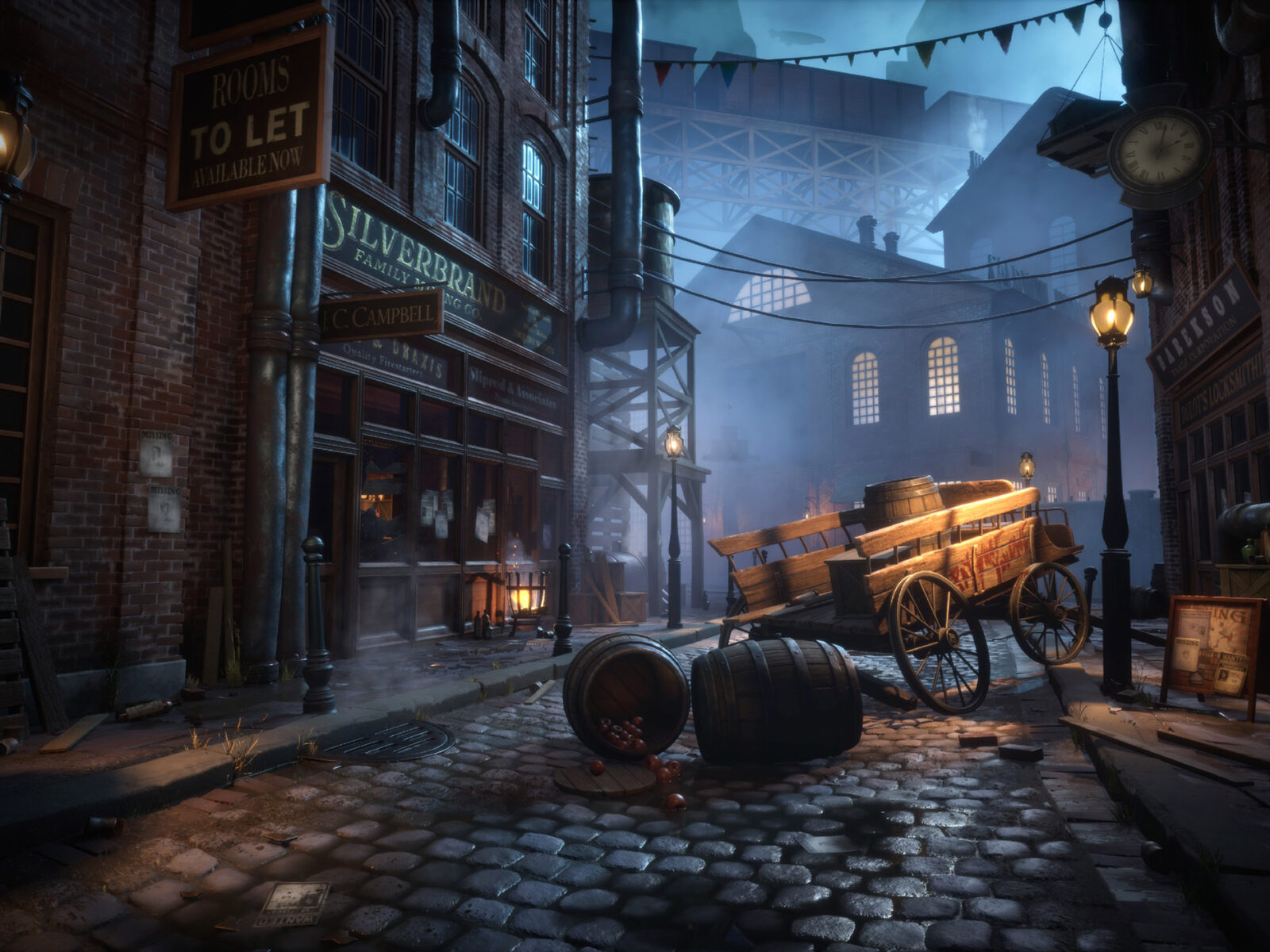
Ashes to Ashes
Ashes to Ashes is a 3rd-person action shooter created by Champlain students for the Game Studio Senior Show.
Check out the game4. Low-Poly
Low-poly is a popular style where 3D models use a small number of polygons (the fundamental shapes used to build 3D assets in a game) and simplified texturing. Games created in a low-poly style are often minimalist, cartoonish, or even retro. This style is one of the more accessible options for smaller game studios and newer artists — but just because there are fewer polygons doesn’t mean there are fewer artistic skills. Each light source, color, and asset has to work harder to communicate the world.
Examples:
- Minecraft
- Journey
- Dredge
Kessler Syndrome
Kessler Syndrome is a student made horror game, developed at Champlain College for the Game Studio Senior Show.
Check out the game5. Hand-Drawn/Illustrated
Hand-drawn games use art that looks as if it were created with traditional illustration techniques, like watercolor, ink, or paint strokes. These games rely on expressive shading, contrasting colors, and richly detailed backgrounds to help convey a level of personality. These elements tell parts of the story visually and let the art carry the emotional weight.
The difference between stylized and hand-drawn art styles in games comes down to approach vs technique. “Stylized” describes the visual direction, while “hand-drawn” describes how the art was actually made.
Examples:
- Hollow Knight: Silksong
- Hades II
- Cuphead
6. Cel-Shading
Cel-shading, also known as “toon shading,” is a rendering technique that makes 3D models appear like 2D illustrations or animations. In this style, you’ll see sharp blocks of color rather than smooth transitions between light and shadow to show depth. From playful, cartoonish models to comic-book character designs with thick outlines, this art style gives teams creative freedom without the constraints of traditional illustration.
Examples:
- Legend of Zelda: Breath of the Wild
- 2XKO
- Okami
Axecutioners
Axecutioners is a 2.5D fighting game created for Champlain’s Game Studio Senior Show.
Check out the game7. Cartoon
A cartoon art style features characters, environments, and assets that look like they belong in a 3D animated movie. This style commonly features exaggerated proportions, emotions, and movements paired with bright, highly saturated colors. This prioritizes readability and often results in 3D assets that look smooth and simplified rather than highly detailed. This art style appeals to a broad audience of players, which is why you’ll see this style commonly appearing in family games, couch co-ops, and many battle royale titles.
Examples:
- Fortnite
- Overwatch
- Team Fortress 2
Molementum
Molementum is a 3D online party game created by Champlain students for the Game Studio Senior Show.
Check out the game8. Pixel Art
In pixel art, every single pixel (the smallest element of a digital image) matters. Artists work within a limited grid, deliberately placing each tiny element, making artistic expression and creative problem-solving essential. Pixel art also carries a deep-rooted nostalgia, as many early games from the 1990s, such as The Legend of Zelda: A Link to the Past, were made with pixel art for consoles like the Super Nintendo Entertainment System (SNES) and Game Boy, which had limited technological capabilities.
Examples:
- Stardew Valley
- Noita
- Eastward
But just because it’s limited doesn’t mean there isn’t room for innovation. Noita, a side-scrolling platformer released in 2020, is a perfect example. Every pixel in the game is individually rendered and physically simulated, so when your character walks across a surface, it responds. A spell, a falling rock, even your own movement leaves a mark on the world around you. The result feels cinematic and proves that the possibilities are constantly evolving.
9. Monochromatic
A monochromatic art style uses a limited color palette to amplify details and bring focus to elements of the game. With only a few colors to choose from, monochromatic games rely heavily on contrast, lighting, and atmosphere to convey the game’s messages, emotions, and tension. The result is a world that feels completely its own and memorable, even with only a handful of colors.
Examples:
- Inside
- Limbo
- SuperHot
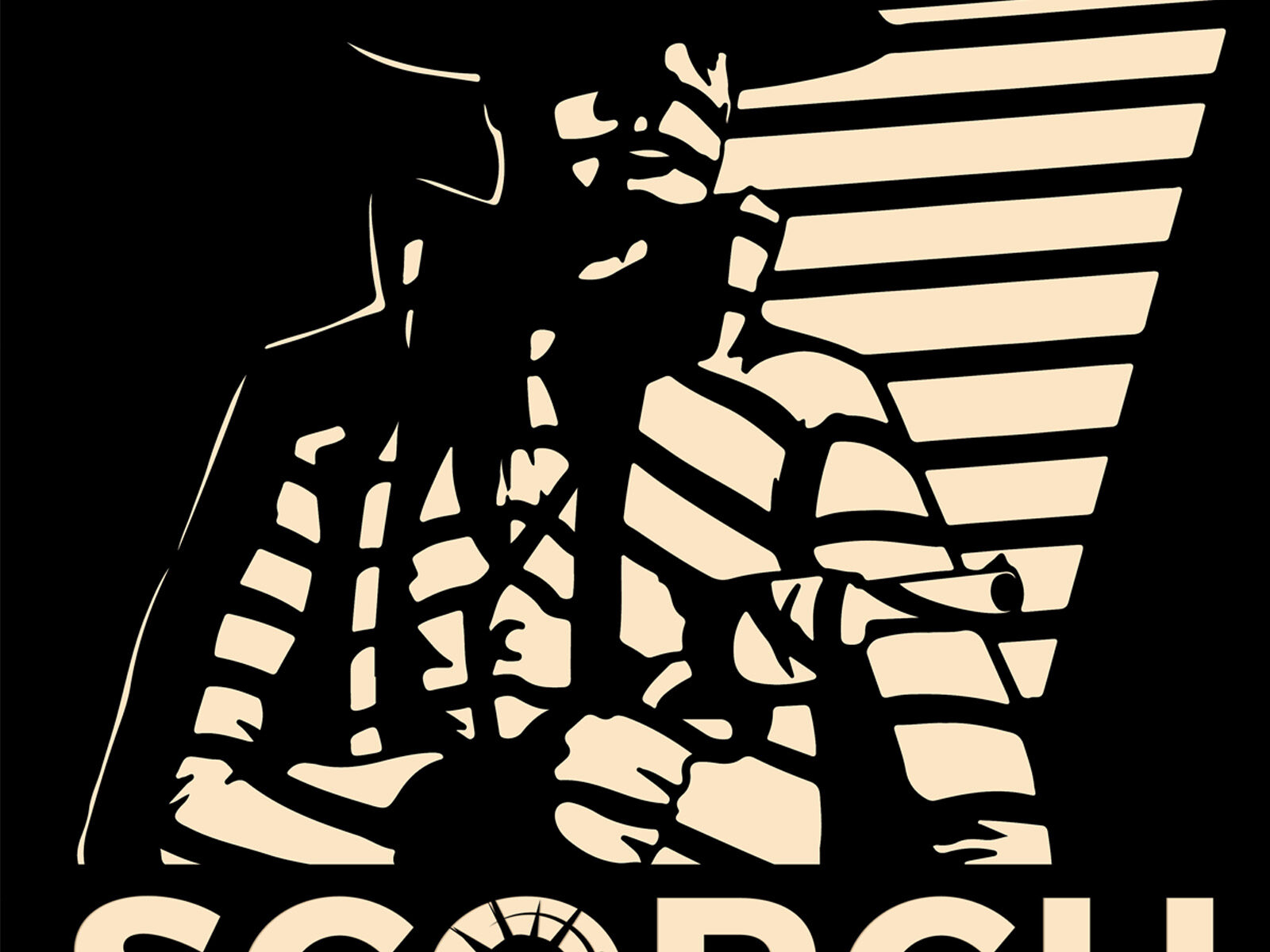
SCORCH
SCORCH is a stealth FPS shooter created by Champlain students for the Game Studio Senior Show.
Check out the game10. Isometric
Isometric art is all about perspective. The camera sits at a fixed angle, transforming a 2D world into something that feels three-dimensional without actually being 3D. This pseudo-3D effect, sometimes called 2.5D, naturally enforces depth and consistent scale as the player moves through the environment. The wide perspective gives players a clear view of the world around them, which is why you’ll see this style most often in dungeon crawlers, roguelikes, and strategy games.
Examples:
- Path of Exile
- Disco Elysium
- Monument Valley
Finding Your Niche in Game Art
With so many styles, the best thing you can do early on is stay curious and keep experimenting. Give yourself room to explore before committing. There’s no single best style; the most important thing is to start with whatever excites you.
Versatility Still Matters — and Helps You Stand Out
Knowing where you want to focus your style is a huge first step, but don’t stop there. For instance, you might love the clean precision of cel-shading, but a project could call for photorealism. The more styles you’re familiar with (even the ones that aren’t your favorite), the more adaptable and valuable you become when a team needs you to flex.
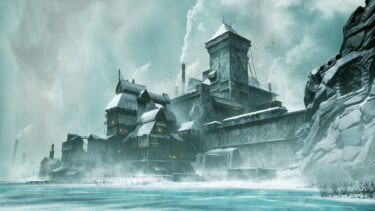

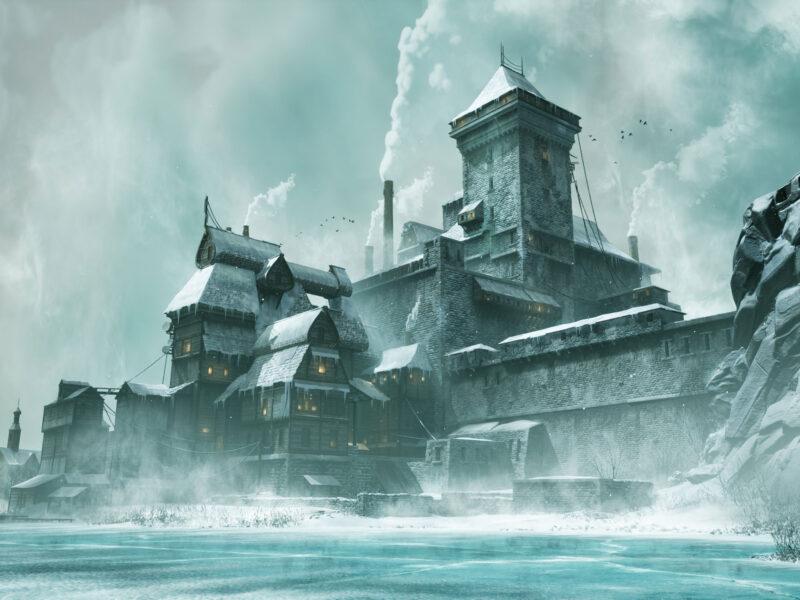
Start Making Game Art at Champlain College
Game art has no single path. The best way to find yours is to start exploring.
The game industry evolves quickly, so it’s important to stay aware of new tools, emerging styles, and platforms available to artists and designers. Whatever your favorite style (or styles) may be, Champlain College’s Game Art degree gives you the space to explore, experiment, and collaborate with fellow artists. From your very first semester, you’ll create portfolio work through classes led by industry experts and collaborate with students across the Game Studio. Your unique perspective as an artist is what will set you apart, and the industry is always looking for the next visual voice that hasn’t been heard yet.
Looking for more information about Champlain College? Start here!
Fill out the form to receive helpful information!
All trademarks, service marks, trade names, and logos referenced in this article are the property of their respective owners. All company, product, and service names used in this article are for identification purposes only.
Author

More Inside The View
Ideas
From the minds of our students, faculty, and alumni.
News
The latest from Champlain College.
People
Champlain is more than just a place; it's a community.
Places
On campus, in Burlington, and beyond.
Events
Check out our many campus events and get involved! Refine your search by using the filters or monthly view options.