How to Build a Game Art Portfolio That Gets You Noticed
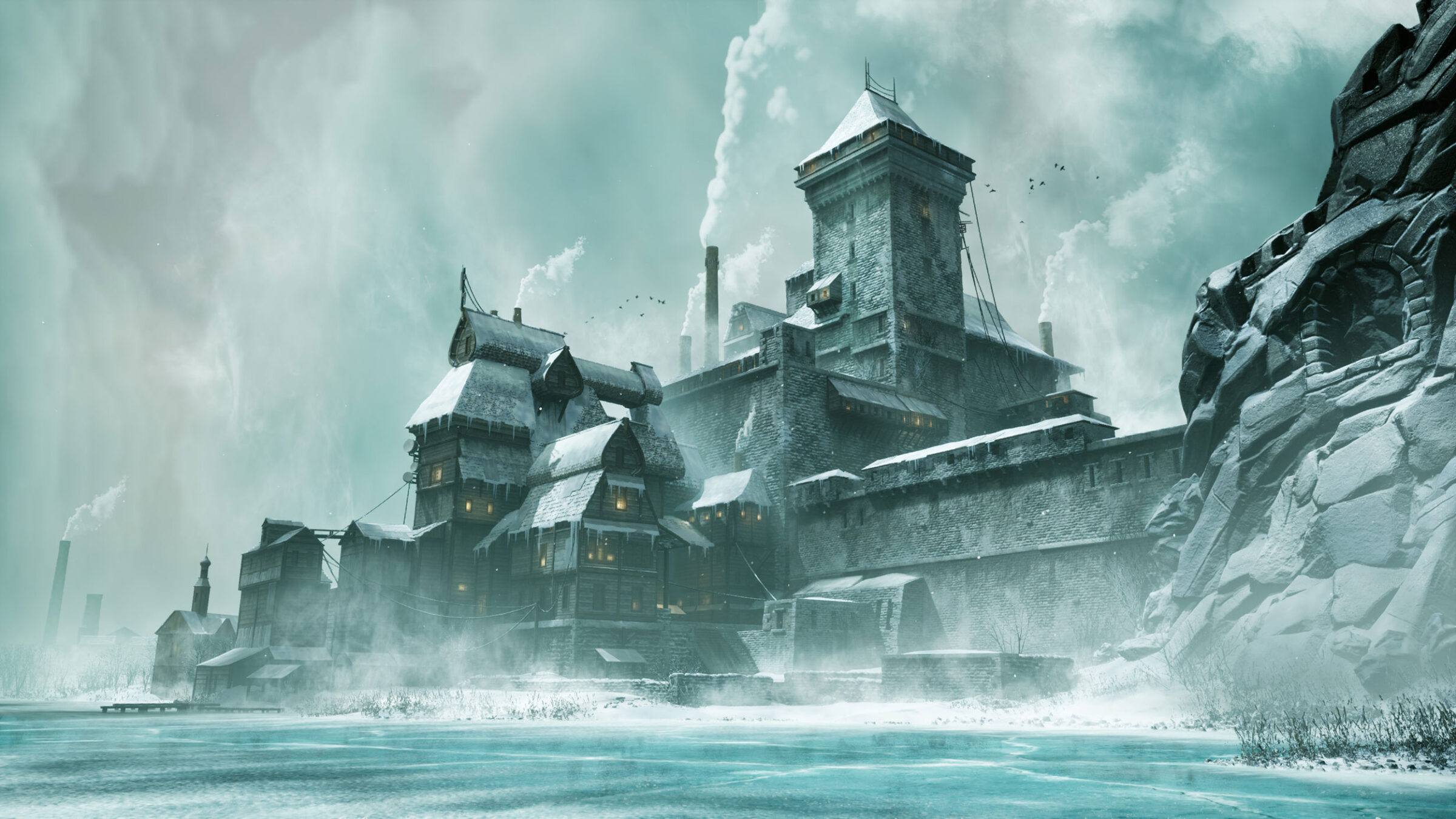
Breaking into game art takes more than a stacked resume. What employers really want to see is your portfolio. Some hiring managers may look at your portfolio before they even get to your resume. A strong game art portfolio can be the difference between landing an interview and getting passed over. Here’s everything you need to know about building your game art portfolio and what to include in it that will make you stand out.
Why Your Portfolio Matters More Than Your Resume
For many jobs, a resume is one of the most important factors in getting hired, but the arts play by different rules. When you apply for a position in game art, the hiring manager or art director may just skim your resume and then go straight to your portfolio — they may not even glance at your resume at all. In a field as competitive as the game industry, they’re looking at hundreds of other applications, so a portfolio is your moment to stand out and make a good first impression.
Portfolios also give employers a clear sense of your skills and creativity: where you specialize, such as character or environment art, your mastery of core skills like perspective, color theory, or lighting, and whether you’d be a good fit for their team and culture. Keep “show versus tell” in mind: a well-crafted portfolio shows your skills and creativity, whereas a resume can only tell employers about your talents.
Choosing a Portfolio Website
Before you start deciding what exactly to include in your portfolio, you’ll need a place to house it. Most portfolios today are hosted online through platforms designed specifically to showcase professional work and digital art.
- ArtStation: The industry standard for game art professionals and a great starting point for game artists. It’s built specifically for the game art community and recruiters. Studios actively browse it to discover talent.
- A personal website: Depending on your specialization, a personal website may be a great addition to ArtStation. Technical Artists, for example, need to document and showcase tools, pipelines, and technical work that require more context than ArtStation easily allows. If a personal site makes sense for your work, no-code builders like Wix and Squarespace make it straightforward to get something professional-looking without any web development experience.
Regardless of which platform you choose, keep your portfolio simple, clean, and easy to navigate. Presentation matters as much as the work itself. If you need inspiration on where to start, browsing the online portfolios of other game artists on ArtStation is one of the best ways to develop an eye for what is current and expected.
What to Include in Your Game Art Portfolio
Your Best Work
Your portfolio should showcase your very best work. Every piece you include should reflect your technical skills and creativity. It’s better to focus on a few great pieces than to show every single thing you’ve ever made. You can also include fan art in your portfolio — just make sure it’s relevant to your area of focus or aligned with the studio you’re applying to.
Your Focus
Game art offers a wide range of specializations, including environment art, prop and asset art, technical art, concept art, VFX, animation, character art, and user interface design, among others. And even within those specializations, there are more distinctions. While showcasing a range of skills can demonstrate your versatility as a game artist, strong art portfolios tend to have a clear focus. If you’re a concept artist who excels at designing fantasy weapons, that skill should be the highlight of your portfolio.
Some game studios have specific expectations for what to include in your portfolio. Studios like Riot Games seek pieces that feature action and combat animations, as well as expressive character poses. Doing your research and tailoring your portfolio to align with a studio’s game art style and creative direction is crucial.
Your Process
Give the person viewing your portfolio a behind-the-scenes look at how you work. Hiring managers want to understand your thought process and how you transform an idea into a final piece. Including sketches, mood boards, concept art, iterations, and notes alongside your work helps paint a full picture of your creativity and problem-solving.
How to Reach You
Networking in the game industry is critical, so if your portfolio gets passed along to employers or studios, they’ll need to know how to get in touch with you. Creating an “About Me” section is another opportunity to showcase your personality and give hiring managers a sense of who you are. Keep it brief and focused. All you really need is a short, engaging introduction that highlights your background, your passion for game art, and what drives your creative work. If you’d like, you can also include your LinkedIn or any other social media links.
Examples of Champlain Student Work
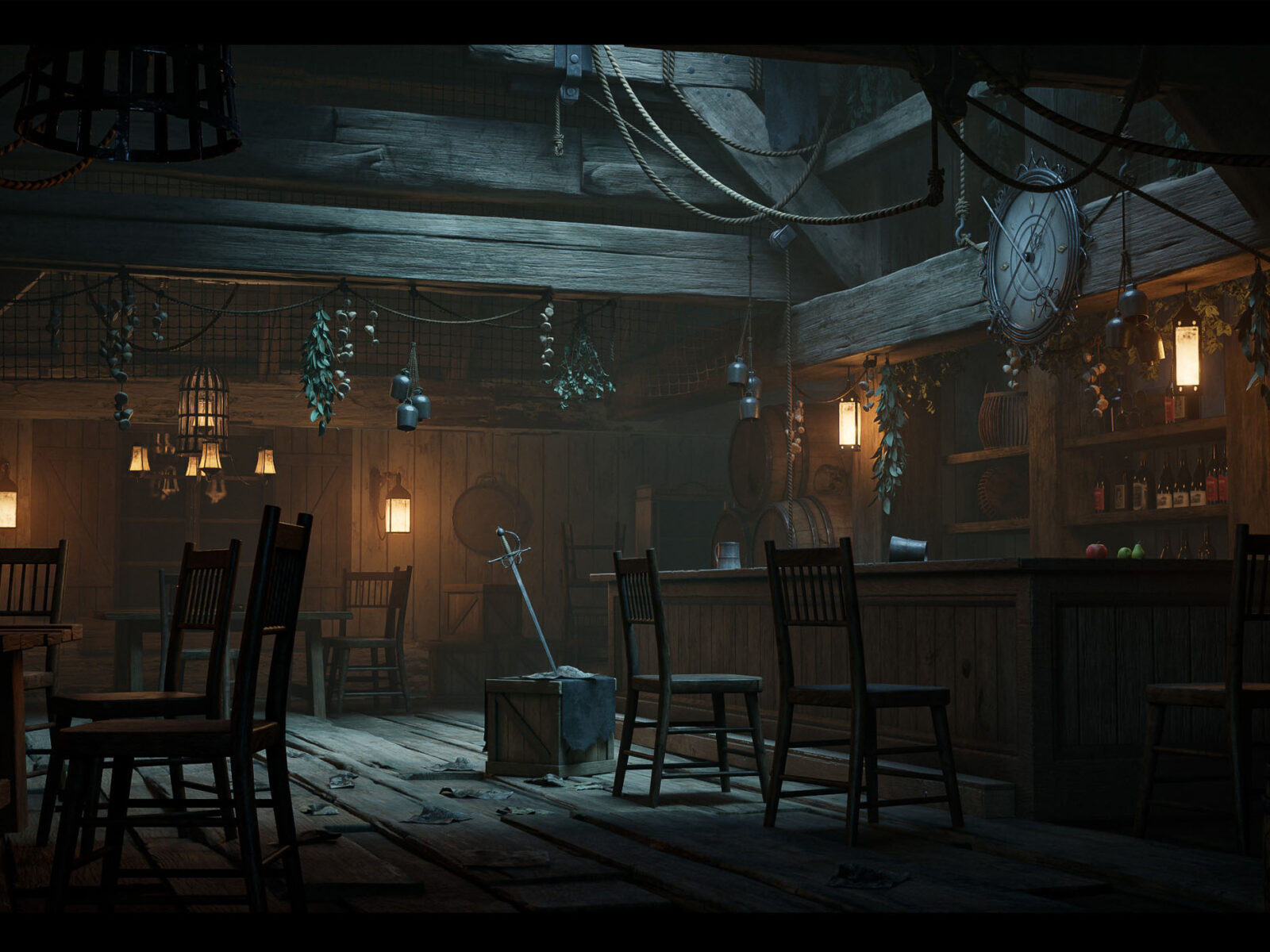
Keegan Nilsson ’26
View Portfolio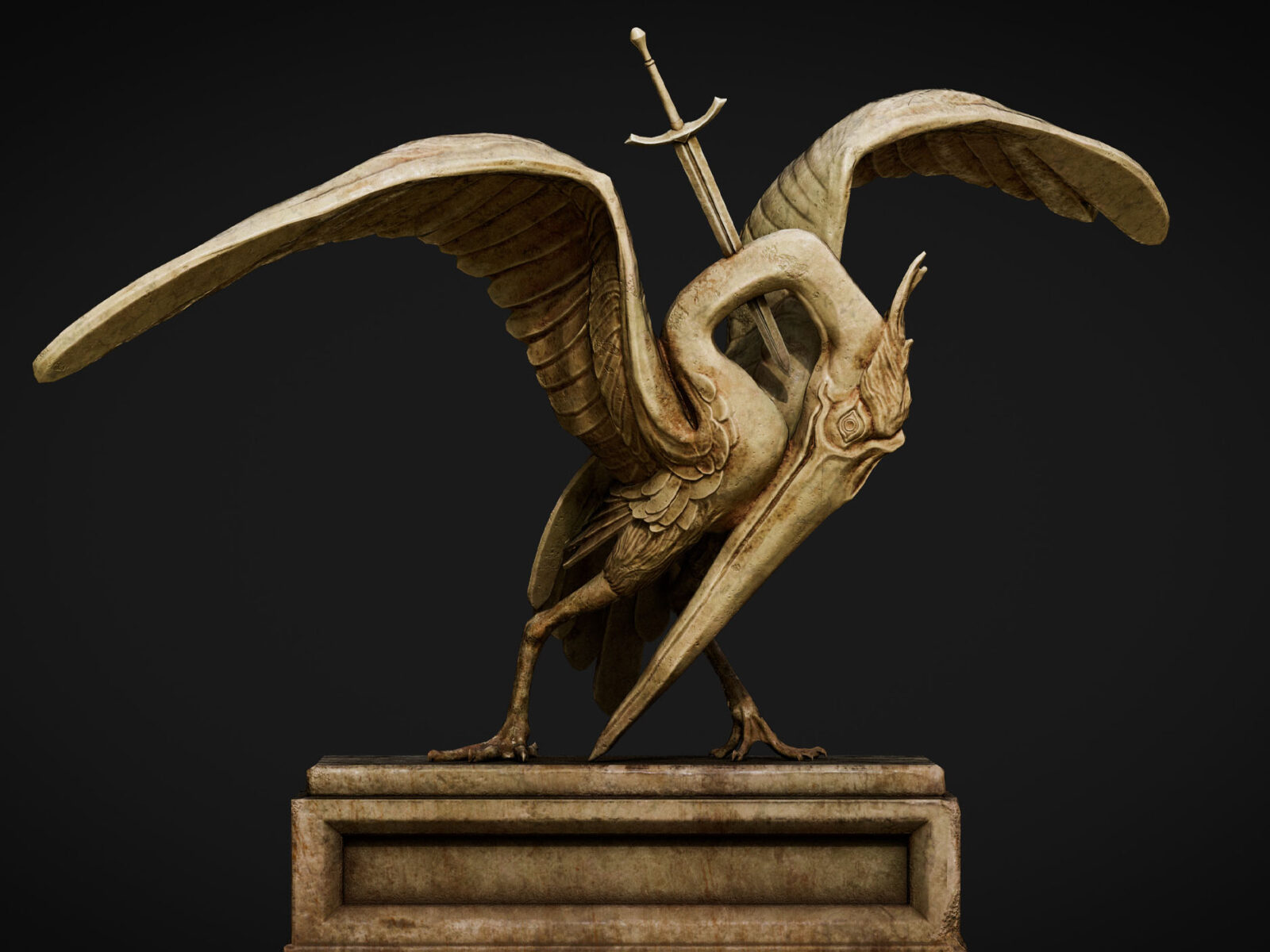
Marc Chartier ’26
View PortfolioCommon Mistakes to Avoid in Your Game Art Portfolio
- No Flashy Websites: Busy or flashy websites may distract from your art. It’s best to use a simple, clean website design that keeps your work, skills, and creativity in focus at all times.
- Not Updating Your Portfolio: Always make sure your portfolio is up to date with your best and most recent work. If you’re proud of something, add it to your portfolio!
- Don’t Overwhelm Viewers: No need to include 20–30 pieces; just focus on 3–6 of your best projects. If you can, provide some written context about why you chose those pieces, what you liked about those projects, or what challenged you along the way.
- Keep it Mobile-Friendly: Make sure your portfolio is easy to navigate, scroll through, and view on a phone. You never know where someone will come into your website. As you build your portfolio, most content management systems (CMS) have built-in preview modes for both mobile and desktop displays.


Frequently Asked Questions
Do I need a website for my portfolio?
A website is preferred, but in some cases, downloadable PDFs or even Google Slides may work. That all depends entirely on the game studio and position you’re applying for. Be sure to browse the studio’s site before you apply to see what specific requirements they have for portfolios.
Should game art portfolios only include coursework?
Not at all! You can include work from passion projects, game jams, or even fan art. As long as you’ve got work you’re proud of that aligns with your focus, be sure to include it.
How recent should your game art portfolio pieces be?
A game art portfolio should generally include work from the last 1–3 years, focusing on your most relevant, highest-quality work and skills. Only keep pieces older than 3 years if they still represent your best work or showcase crucial, high-level skills.
Start building your game art portfolio on day one at Champlain
Champlain College’s Game Art degree prepares students for professional studio work, mentorship from industry professionals, and portfolio projects that demonstrate real-world experience to employers. Students graduate with the technical skills, collaborative experience, and professional network needed to launch careers at studios ranging from indie developers to AAA publishers.
Looking for more information about Champlain College? Start here!
Fill out the form to receive helpful information!
All trademarks, service marks, trade names, and logos referenced in this article are the property of their respective owners. All company, product, and service names used in this article are for identification purposes only.
Author



More Inside The View
Ideas
From the minds of our students, faculty, and alumni.
News
The latest from Champlain College.
People
Champlain is more than just a place; it's a community.
Places
On campus, in Burlington, and beyond.
Events
Check out our many campus events and get involved! Refine your search by using the filters or monthly view options.