What Does a Video Game Artist Do? Careers and Specializations Explained
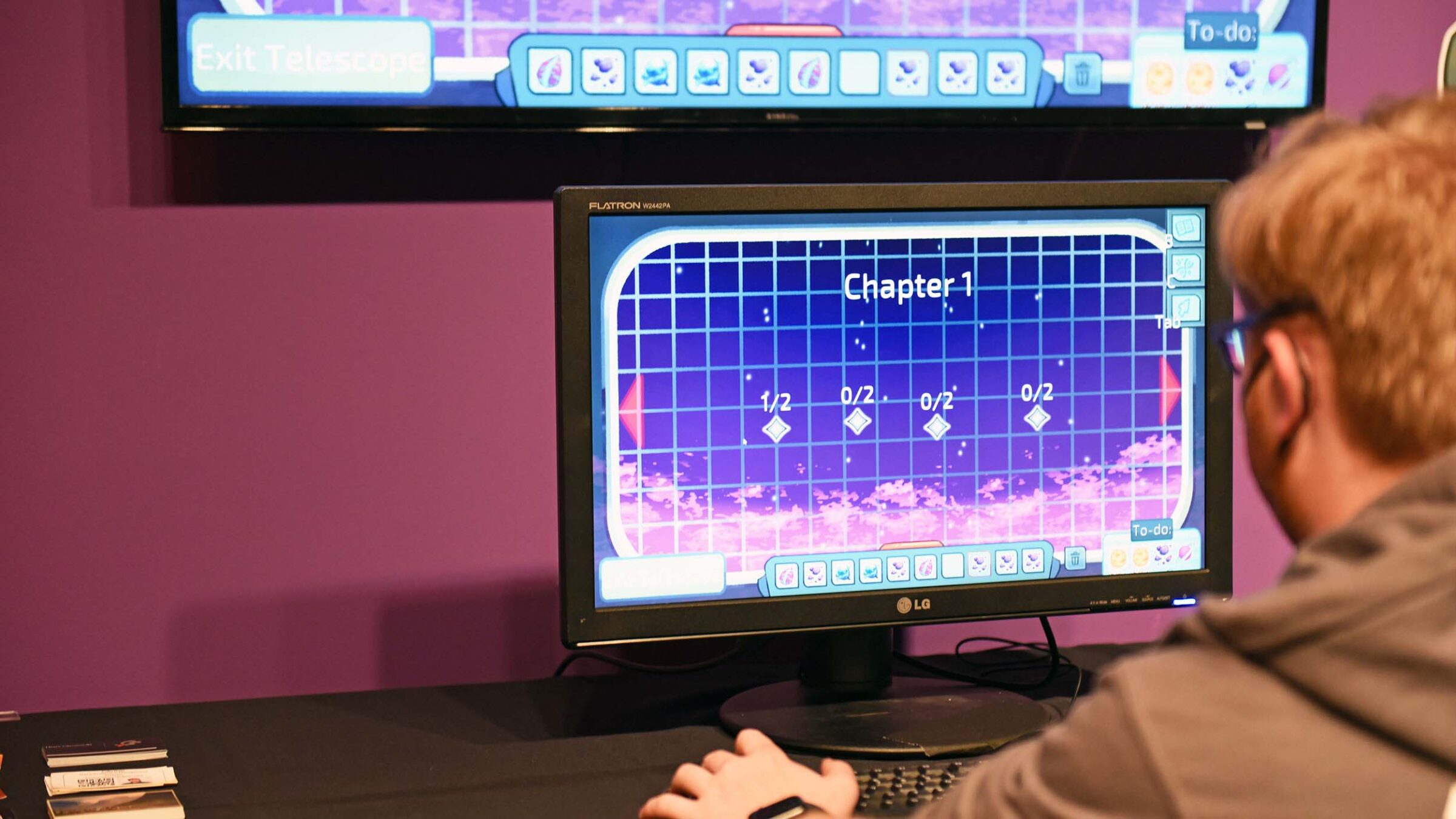
Think about your favorite video game: what’s the first thing you noticed about it? Maybe it’s the environment, the character detail, or the lighting and colors that set the tone. These are all deliberate artistic decisions made by video game artists that shape everything about how you experience the game.
But being a video game artist isn’t just one job; it’s a whole range of specializations, each responsible for a different piece of what you see on screen. Most game artists specialize in one artistic discipline, such as environmental art, character art, animation, or visual effects (VFX), but it’s common to have experience across several.
What Does a Video Game Artist Do?
A video game artist is someone who focuses on the creation and design of a game’s visual components. They are integral to bringing together all the pieces — story, world, levels, characters, narrative, gameplay — in a cohesive, visually appealing way. It’s up to a video game artist to ensure the game’s direction in tone, mood, and style is consistent and immersive, enhancing the player’s experience.

Check it Out
Want to see what Champlain students are actually making? Our ArtStation page is the most up-to-date place to browse student work.
Champlain ArtStationWhy is Video Game Art Important?
One of the first things people notice when playing a video game or watching a trailer for an upcoming release is the game’s aesthetic and style. Grabbing the player’s attention in the first few seconds is all part of game art direction. Each visual element is intentional, helps enhance immersion, and shapes the player’s experience.
A good game artist works to keep everything cohesive and consistent with the game’s overall tone and theme. When the art direction is consistent (through color palette, lighting, details, etc.), players are better able to suspend their realities and engage fully with the game. If an asset or design clashes with the overall art direction, it can pull the player out of the experience.
Game artists typically work within an established art direction that fits the rules and type of game being made. An open-world, narrative-driven role-playing game (RPG) might call for a realistic aesthetic, while a fast-paced, run-and-gun game like Cuphead leans into a completely different visual style. The game’s genre and tone inform the art direction, and the artists bring that vision to life.
Art Style Serves Gameplay
Visual choices directly impact how a game is played and how easily players learn to navigate the world. Platformer games like Celeste and Ori and the Blind Forest use vibrant colors and high contrast to help players distinguish interactable elements from scenery, while competitive and fighting games rely on clear character silhouettes and a sharp user interface (UI) to ensure players can make split-second decisions and react to the match. It can also assist with navigation and accessibility. In some larger, narrative-driven games, color-coded cues like yellow paint or outlined objects nudge the player in the right direction on where to go and what to engage with.
Common Video Game Artist Specializations
Modern studios rely on teams of artists, each focused on a different piece of the visual puzzle. However, there’s a lot of overlap among the various types. For example, a character artist needs to understand texturing, an environment artist needs to know lighting, and almost everyone needs a foundation in 3D modeling. Here are some of the most common specializations you’ll find in the industry.
Environment Artist
Environment artists create the world that players interact with. They need to understand scale and composition, and to have an idea of how players are meant to navigate the space. Using concept art, environment artists create believable landscapes that are optimized for the game’s engine.
Types of common environments include:
- Interiors
- Exteriors
- Landscapes
- Architecture
- Set dressings
Champlain Student Environment Art
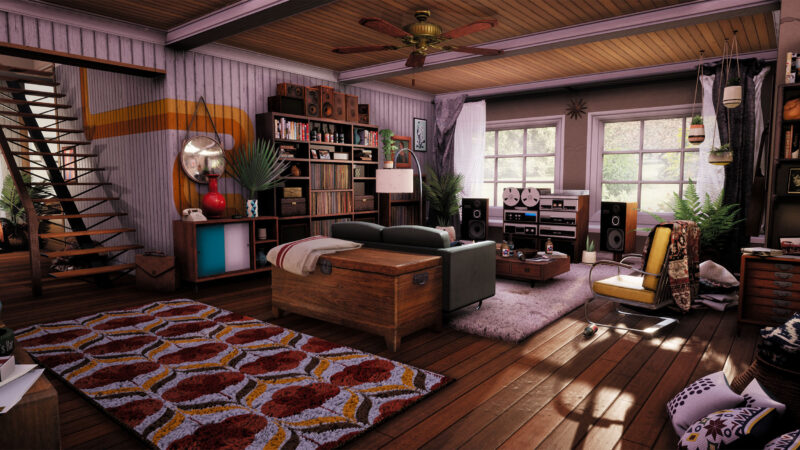
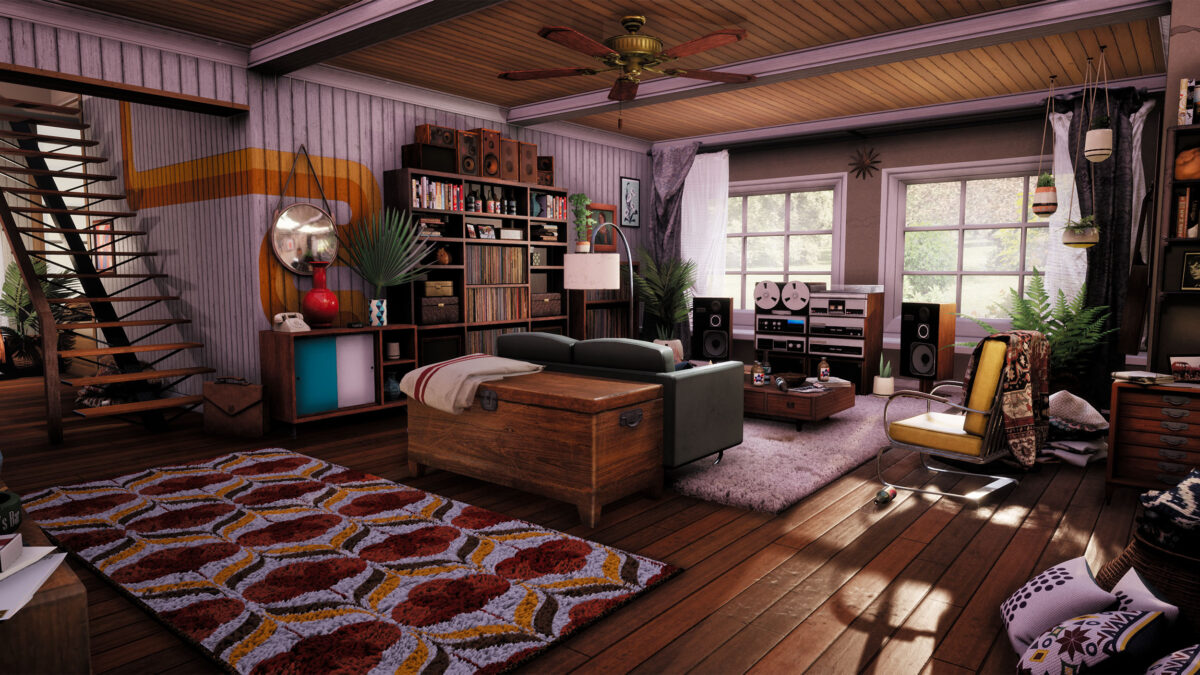
1970’s Listening Room – Game Environment
A 3D rendered 70’s themed living room game environment created by Game Artist Megan Tyler.
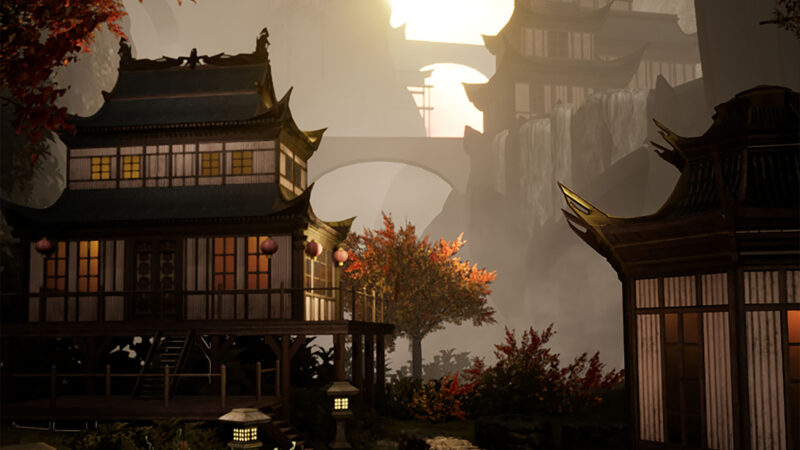
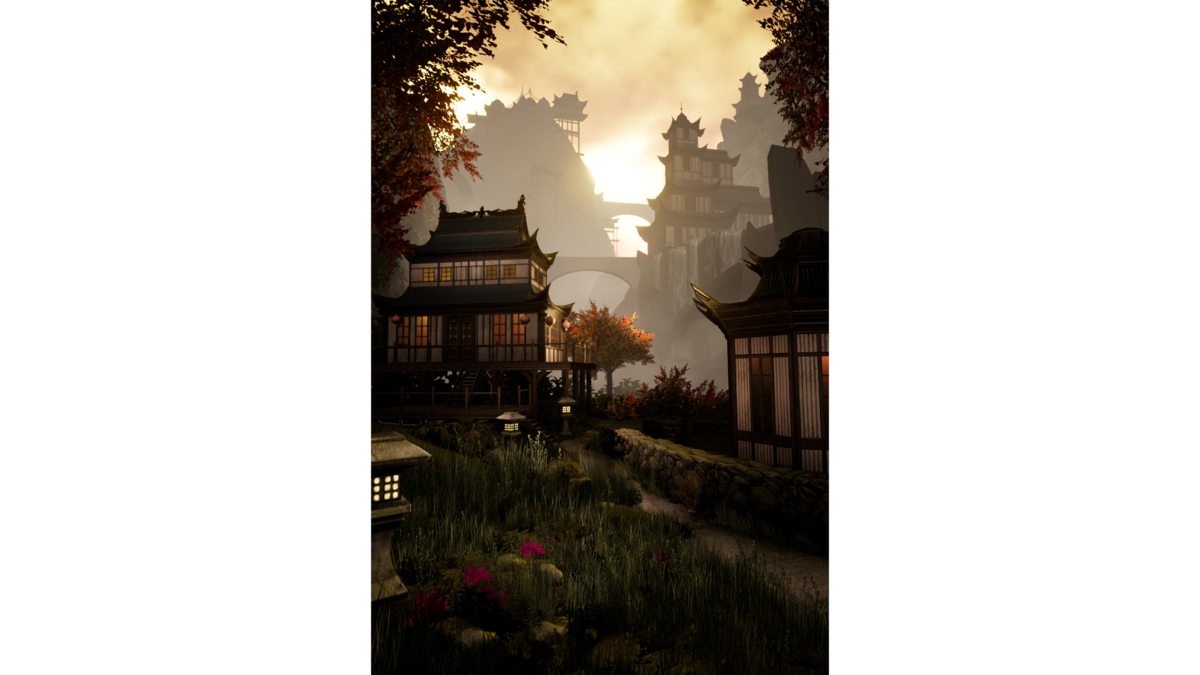
Hidden Mountain Temple – Game Environment
Megan’s 3D rendering of a Hidden Mountain Temple in a game environment.

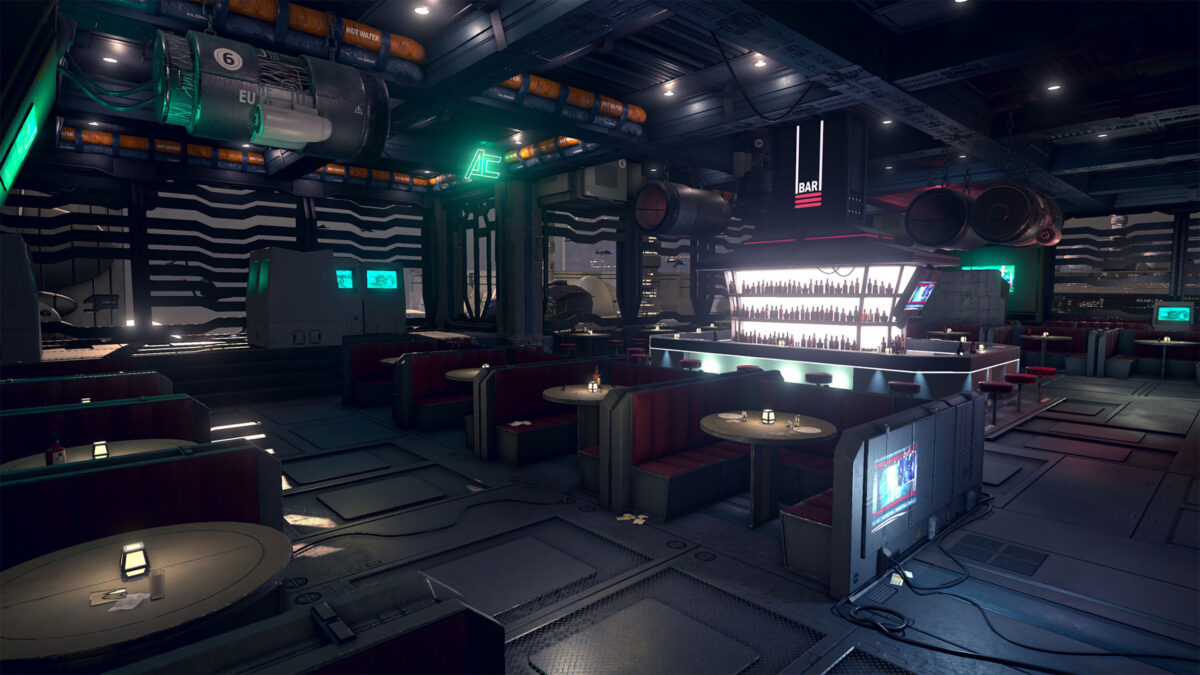
Spaceport Bar – Game Environment
A 3D rendered game environment of an interstellar sports bar created by Game Art student Michael Manfredi.
3D Artist
3D artists build three-dimensional assets that make up a game’s world such as characters, props, weapons, vehicles, architecture, and more. Using software like Maya, Blender, or ZBrush, they model, sculpt and texture assets to match the game’s art direction. Depending on the studio, a 3D artist might specialize in a specific area (such as character or environment art) or work as a generalist, building a wide range of assets across the project.
Most 3D artists specialize even further: common titles include prop and asset artists, who focus on creating weapons, vehicles, and other functional objects, and digital sculpture artists, who use software like ZBrush to build highly detailed models for characters and creatures.
Animator
Animators bring everything in a game to life through movement. Picture characters running, fighting, emoting, and playing with their hair while standing still. Animators work closely with artists and programmers to ensure movement feels natural and responsive within the game’s controls and technical limitations.
Cinematic animators take this further when they handle cutscene performances where facial expressions, body language, and high-quality rendering carry the emotional weight of the story. Whether it’s the subtle way a character shifts their weight before a dodge or the “oomph” behind a heavy weapon swing, animation is what makes characters and NPCs feel like living, breathing things.
Technical Artist
Technical artists make sure visuals actually work within a game, and ensure no one on the team is blocked by technical limitations. They have a deep understanding of how the game engine works (and its limitations), as well as a strong foundation in art. For example, if the team wants to create a complex animation or visual effect, the technical artist creates tools to make it possible.
Character Artist
Character artists are responsible for bringing character models to life. Starting with initial concept art, these artists sculpt and model characters, clothing, facial features, hair, and more in 2D or 3D, maintaining alignment with the game’s stylistic choices. Character artists also texture and shade these models while keeping the anatomy, proportions, and movement realistic and within the game’s art style.
Student Character Art
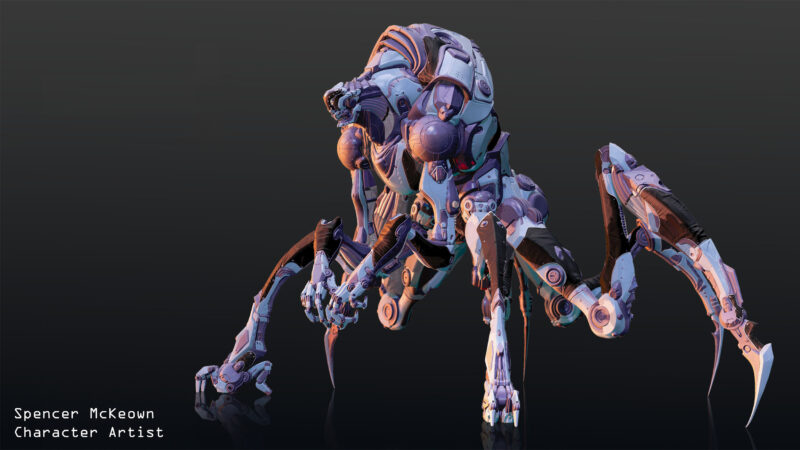
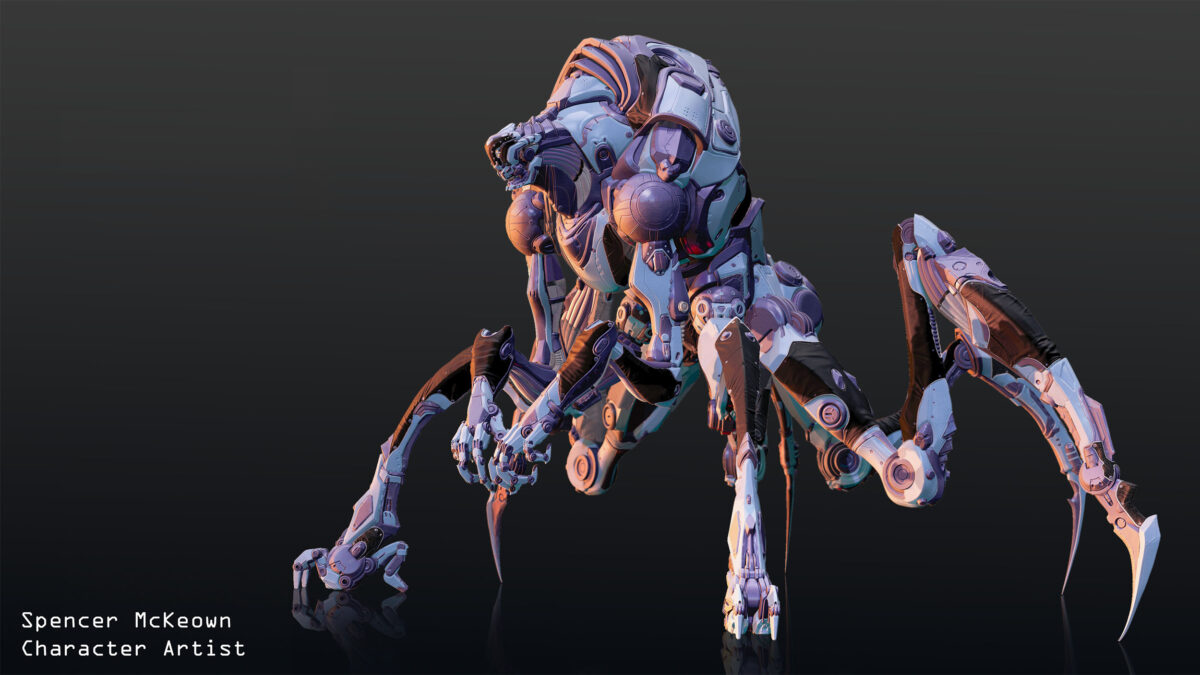
Arachnimech – Character Model
A 3D render of a mechanical spider character model created by Game Artist Spencer McKeown.

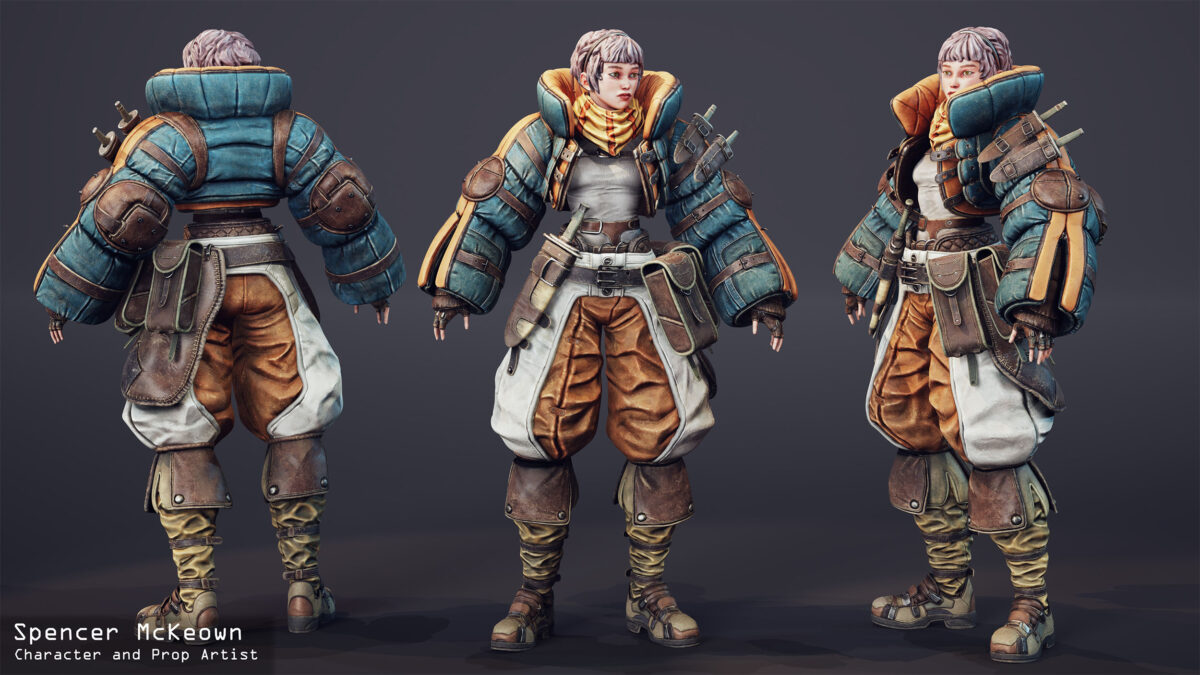
Bumble Bree – Character Model
A 3D render of a female game character created by Game Artist Colton Orr.
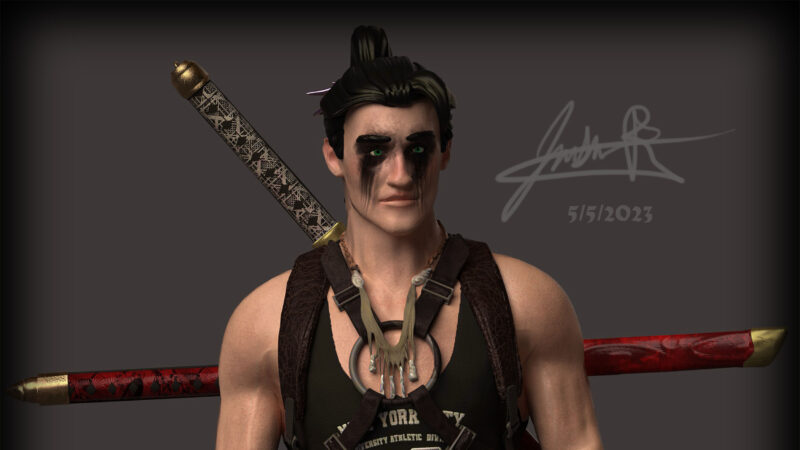
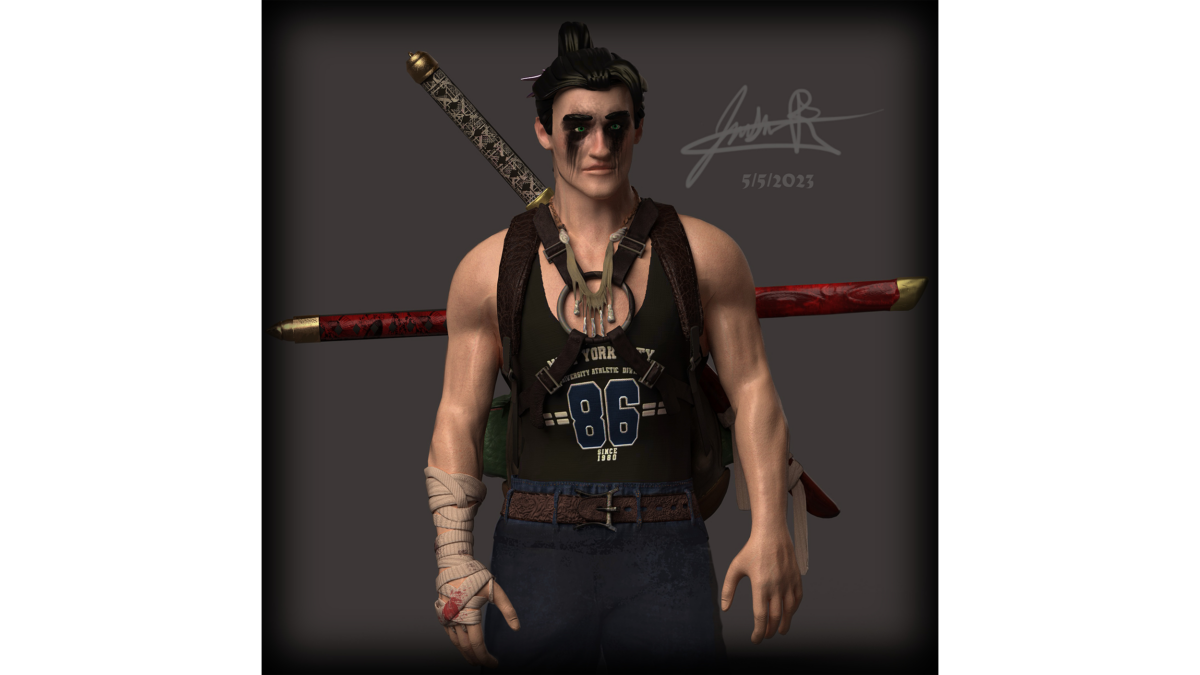
Modern Day Samurai – Character Model
A 3D male game character rendered by Game Art student Justin Bissonette.
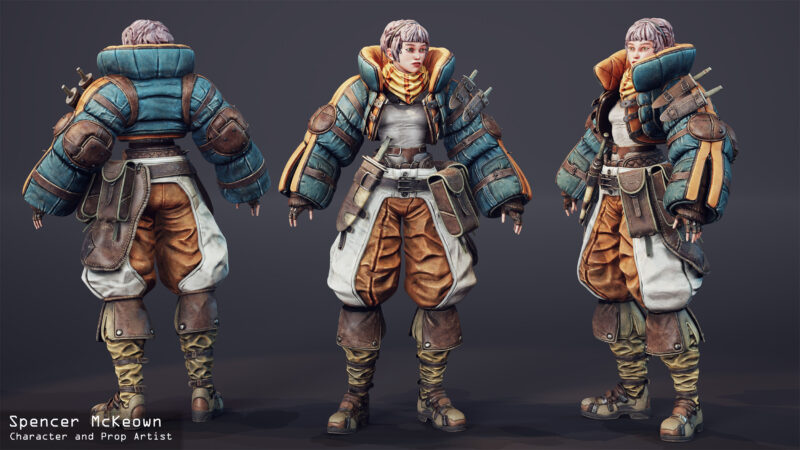
Real Time Adventurer – Character Model
A 3D female game character render created by Game Art student Spencer McKeown.

In games with character creation systems (like Baldur’s Gate 3), character artists build many modular pieces — face shapes, hairstyles, skin textures, scars, body types — that players mix and match to design their own playable character. Every option needs to work in combination, making this one of the more technically demanding sides of character art.
UI/UX Artist
User interface and user experience (UI/UX) artists are responsible for the interfaces players interact with. Think assets like health bars, inventory screens, status effect indicators, and maps. It’s hard to imagine an open-world game without a menu that shows where you are on the map as well as a compass pointing you in the right direction. UI/UX artists balance usability and accessibility with game aesthetics and art direction to ensure a cohesive style. Without proper design, UI menus can feel overwhelming and hard to digest, or, on the other hand, too limited and lacking.
Concept Artist
Concept artists create initial sketches and blueprints for a wide range of components in a game, such as character designs, environments, and props. These sketches and designs help to establish the overall mood, theme, and color palettes of video games. While mostly developed through 2D illustration and mock-ups, these designs can then be modeled and built in 3D programs.
VFX Artist
VFX (visual effects) artists create real-time, dynamic visual effects, including fire, smoke, water, and particle systems. These visual effects add many details to the game’s world and are the reason a spell doesn’t just deal damage; it looks and feels like it deals damage. A well-crafted effect is the difference between an explosion that feels like it shakes the room and one that just disappears on contact. Aside from designing and animating these effects, VFX artists also ensure effects are optimized to reduce rendering lag.
Lighting Artist
Lighting artists set the mood and atmosphere of every scene through strategic light placement, color temperature, and shadow work. Their decisions significantly impact a game’s emotional tone. For example, a dim, flickering light source paired with heavy shadows can make a horror game feel suffocating, while warm golden tones and soft glows can give a whimsical world a sense of wonder. Lighting artists work closely with environment artists to maintain visual consistency across the entire game and ensure that every scene feels intentional and cohesive.
Texture/Material Artist
Video game texture and material artists create the intricate details within objects. Picture each blade of grass, string of fabric, or grain of wood: they all have a distinctive look and feel that responds to lighting, environmental factors, or physics within the game engine. Texture artists pay close attention to detail when UV-mapping objects (the process of flattening a 3D mesh to apply a 2D texture to the object’s surface) to create realistic textures and further immerse players in the game world. If textures aren’t accurate or believable within the game’s color palette and lighting, it can break immersion and undermine the visual quality that the rest of the art team has worked to build.

Potential Career Paths and Salaries
Depending on your skill set, specialization, experience, location, and studio size, here’s what you can expect to earn across some of the common roles as a video game artist.
Entry-Level to Senior Salary Overview
- Entry-level (0–2 years): $42,000–$65,000/year
- Mid-level (3–6 years): $65,000–$100,000/year
- Senior / Lead (6+ years): $100,000–$140,000+
Where you work matters, too. Larger studios tend to pay significantly more than smaller ones, and tech hubs like California, Washington, and Texas consistently offer the highest salaries.
Salary by Specialization
Salaries in game art vary depending on your specialization, where you’re located, and the type of studio you work for. AAA companies like Valve, Epic Games, or Riot Games typically offer higher compensation than indie studios, and freelance work tends to reflect lower averages overall. Based on data from Glassdoor, CareerExplorer, ZipRecruiter, and the Game Industry Career Guide, most game art roles fall somewhere between $42,000 and $120,000 annually.
Entry points tend to be lower for roles like junior game artists, while mid-range positions like animators and environment artists generally land somewhere between $55,000 and $90,000. Concept artists tend to receive higher salaries since this role is typically filled by experienced artists rather than recent graduates. On the higher end, roles that require more technical expertise — like technical and character artists — can reach over $130,000 at senior levels.
Job Outlook
The demand for game artists isn’t slowing down. According to Exploding Topic, over 3 billion people worldwide play video games, and that number continues to rise. Fortune Business Insights explains that “the global video game market was valued at $239.92 billion in 2025 and is projected to reach $415.78 billion by 2034.”
This growth is driven by increased interest in mobile gaming, VR/AR integrations, and the rising popularity of gaming championships and esports tournaments. As the industry expands, so does the need for skilled artists who can bring these experiences to life. The U.S. Bureau of Labor Statistics projects roughly 5,000 annual openings for special effects artists and animators through 2034, and that category doesn’t fully capture the variety of game-specific art roles that studios are hiring for. There has never been a better time to get into the game industry.
Frequently Asked Questions
Is game art a good career?
The short answer is yes. It’s a competitive field, but with multiple specializations to explore, there’s room to find a niche that fits your strengths and interests.
Can you work remotely as a game artist?
Remote and hybrid work has become increasingly common across the game industry. Many AAA studios now offer hybrid opportunities. Freelance and contract roles are especially location-flexible, and smaller indie teams are often fully remote. Some specializations lend themselves to remote work naturally, while others benefit from in-studio work for heavy, cross-team collaboration.
Do I need a degree to become a game artist?
A degree isn’t strictly required. Your portfolio is what matters most. That said, a structured education provides you with opportunities you might not find on your own, such as mentorship, networking, industry exposure, and hands-on experience with studio production tools and workflows. The Game Studio experience at Champlain College provides students with over 70 weeks of collaborative production in which game art students work on cross-discipline production teams and build out their portfolio.
How do I get experience in game art?
The best way to get experience is to keep creating. Work on personal projects, enter game jams, and experiment with free tools like Unity or Unreal Engine to practice building and integrating assets. You could also collaborate on open-source or indie projects and apply for internships, but the most important thing is to never stop creating and iterating. Even once you’ve found what you love, keep exploring other disciplines. Being a specialist who understands the bigger picture is what studios look for. The more you create, the stronger your portfolio becomes.
Start Your Game Art Career at Champlain College
Break into the game industry at Champlain College through our Bachelor of Fine Arts degree in Game Art, where you’ll hit the ground running from day one, taking classes that matter in your major. Champlain’s Game Studio experience is ranked among the best in the nation by the Princeton Review, and graduates have gone on to work at studios like Insomniac Games, Ubisoft, Activision, and more.
Looking for more information about Champlain College? Start here!
Fill out the form to receive helpful information!
All trademarks, service marks, trade names, and logos referenced in this article are the property of their respective owners. All company, product, and service names used in this article are for identification purposes only.
Author


More Inside The View
Ideas
From the minds of our students, faculty, and alumni.
News
The latest from Champlain College.
People
Champlain is more than just a place; it's a community.
Places
On campus, in Burlington, and beyond.
Events
Check out our many campus events and get involved! Refine your search by using the filters or monthly view options.