What Does a Game Designer Do? Roles, Responsibilities, and Career Paths

More than 205 million Americans play video games every day, contributing $59.3 billion to the industry alone in 2024. Interested in being part of the action? Game designers play a critical role as creative architects of the gameplay experience — striking a balance of creativity, psychology, storytelling, and technical knowledge to make games fun and engaging for players.
What does a game designer do, exactly, and how do you go about becoming one? Read on to learn more.
What Does a Game Designer Do?
Game designers are the masters of the video game experience, focusing on the construction of rules, main characters, and a compelling storyline. Compared to game programmers (who carry out the technical work that brings designers’ ideas to life), designers serve more as creative architects of the gaming experience.
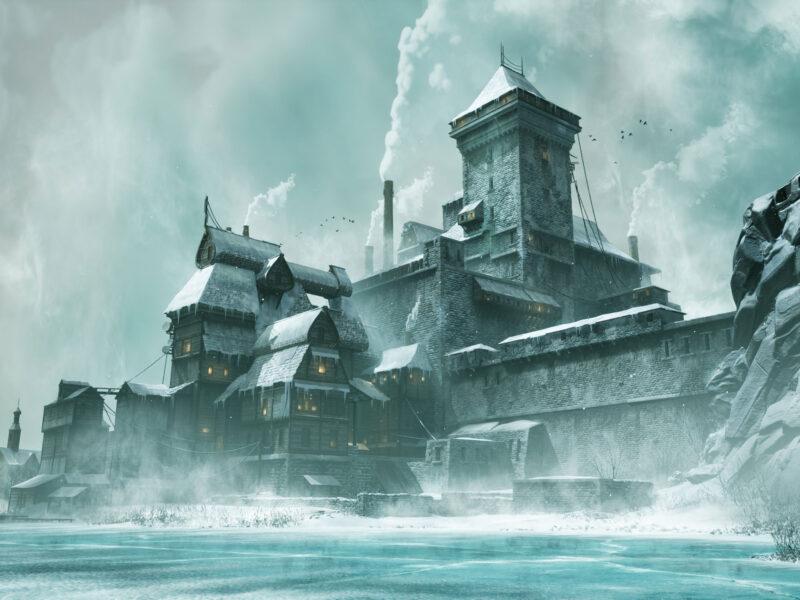
Check Out Some Student-Created Games

Ashes to Ashes
Ashes to Ashes is a 3rd-person action shooter about Quinn del Ramo, an undead gunslinger back for revenge using the power of life and death.
Dead Pedal
Dead Pedal is a 3rd person open world driving game set in a fictional version of the Mojave desert, where your goal is to cause as much chaos and destruction as possible.
Little Bo Reap
Play as Bo Peep in a single-player 3D action-RPG where she’s overwhelmed with grief and goes on an adventure through Pastoria using necromancy to raise an army of dead sheep.

Key Roles and Responsibilities of a Game Designer
No two game designer roles will be identical, but there are some basic responsibilities they tend to perform on a regular basis. Let’s outline the work of a hypothetical game designer, Kade, who works for a mid-sized game development studio.
1. Concept Development
Kade has the technical know-how to build and design a game but is also a curious-minded individual who’s passionate about exploring concepts and, ultimately, discerning what elements will prove most intriguing to players. At the start of a new project, Kade is focused on curating new concept ideas for the next big game, which entails:
- Brainstorming and pitching game ideas.
- Defining a game’s overall vision, theme, and genre.
- Building small game prototypes to test out fun ideas for mechanics and worldbuilding.
2. Gameplay Mechanics Design
As the concept of a new game begins to take shape, another critical aspect of Kade’s job is figuring out the game’s mechanics by:
- Developing rules, systems, and interactions that players will experience during gameplay.
- Balancing mechanics to create just the right amount of challenge while maintaining fairness.
- Prototyping gameplay to test functionality in early stages of development.
3. Storytelling and Narrative Design
Kade knows that a great video game should tell a compelling story that will keep players on their toes, so the next stages may include:
- Creating new storylines, character arcs, and dialogue.
- Collaborating with writers to weave narratives into gameplay organically.
- Ensuring consistency between a game’s story and its mechanics.
4. Level and World Design
Players in a video game want to feel immersed in an entirely different world. Kade can facilitate this by:
- Designing maps, environments, and missions that align with the gameplay experience.
- Focusing on pacing, player progression, and environmental storytelling.
- Using tools like Unity, Unreal Engine, or proprietary editors to create new levels and worlds from the ground up.
5. Collaboration with Development Teams
Game design is far from a solitary job. Fortunately, Kade enjoys working closely with others to bring their ideas to life by:
- Collaborating with programmers, artists, sound designers, and producers at various stages of the project.
- Translating creative concepts into clear design documents.
- Adapting design decisions based on technical constraints and other factors.
6. Playtesting and Iteration
Another central aspect of Kade’s job is playtesting and iteration, where they constantly strive for improvement by:
- Conducting user testing to analyze player behavior.
- Gathering feedback and adjusting mechanics or design elements.
- Continuously refining game elements for balance, accessibility, and overall user experience (UX).
7. Documentation
Working as a game designer doesn’t come without paperwork — but Kade understands the importance of documentation (and the frustrations that can accompany failure to maintain it). Some tasks that may need to be completed as a project progresses include:
- Writing detailed game design documents to outline visual mockups, game mechanics, features, and workflows.
- Updating concept documents as needed.
Types of Game Designers
If you’re interested in becoming a game designer, part of the appeal of this field is its numerous niches to explore. For example:
- Systems designers focus on specific systems or components within a game, such as balancing enemy combat or in-game economies.
- Level designers create the playable spaces and maps within a video game.
- Narrative designers ensure the flow of a game’s story, dialogue, characters, and levels for an engaging experience.
- UI/UX designers focus on designing games that are accessible, easy to learn, and enjoyable to play.
- Combat designers are responsible for fighting interactions between players in a game, ensuring that the combat experience is fair and challenging.
- Monetization designers design and create the systems that allow a game to generate revenue (such as subscription platforms and microtransactions).
What Education Do You Need to Become a Game Designer?
With numerous skills required to thrive as a game designer, an undergraduate degree in game design can be an invaluable stepping stone for those seeking to pursue this career path. Specifically, Champlain College’s bachelor’s in Game Design program offers the career-focused coursework, portfolio development opportunities, hands-on training, and industry connections that aspiring game designers need to get a foot in the door.
Our Game Design degree program features a unique Upside-Down Curriculum that aims to immerse students in hands-on learning early and often. Rather than spending hours of their valuable time in lecture halls, our Game Design students are regularly working on real games to build their portfolios and develop practical skills through the Game Studio Experience, which mimics a real studio environment.
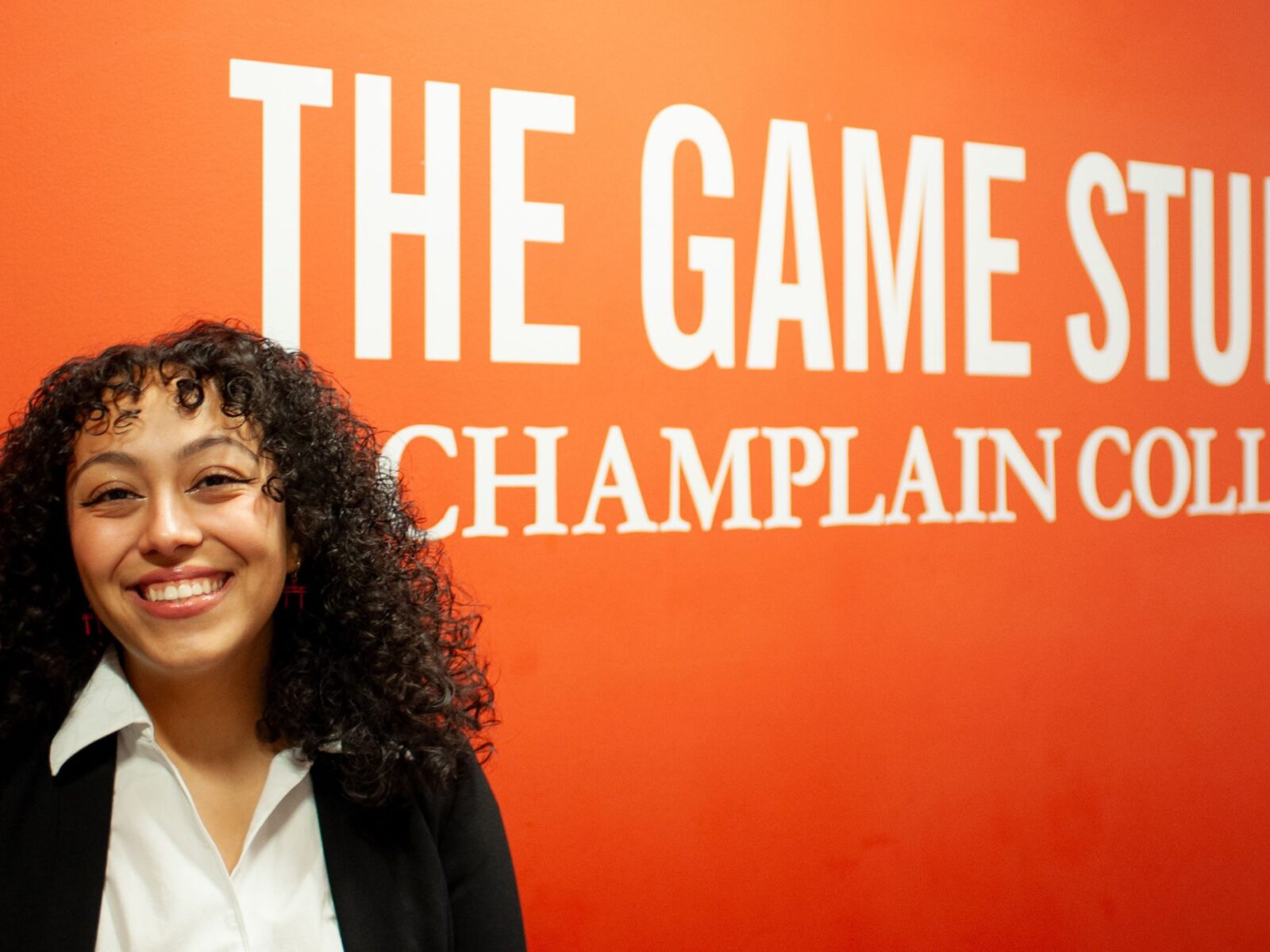
“You have to be extremely communicative and collaborative. There are solo development opportunities, but if you want to make a career, you’re going to have to be able to work with people.”
—Zoë Campos ’25, WonderWall Co.
Learn more about ZoëCareer Paths for Game Designers
From entry-level jobs to senior and specialized roles, working as a video game designer often means working your way up the career ladder over the course of many years.
Entry-Level Roles
After earning your degree in game design or a related field, you might explore entry-level opportunities like:
- Junior game designer – Work under the supervision and guidance of senior designers to craft various elements of a video game.
- Quality assurance (QA) tester – Play video games as they are being developed to test for bugs, glitches, and other problems.
Mid-Level Roles
With some experience in the field, you may be able to advance into mid-level roles such as:
- Game designer – Rather than working under the guidance of a more experienced designer, you may be able to work more independently as a video game designer.
- Level designer – These professionals are responsible for designing the different levels, worlds, and maps within a game.
- Systems designer – These experts focus on the design of a single element or system of a game.
Senior & Specialized Roles
Over time and with many successful projects under your belt, you may qualify for advanced roles in the field like:
- Lead game designer – In this leadership role, you may oversee teams of game designers and junior designers.
- Creative director – These professionals guide entire teams to ensure the finished product reflects the overall vision and story of the game.
- Producer or project manager – These leaders work to ensure that creative teams have access to the resources they need to keep gaming projects on track and on budget.
Related Careers
In addition to careers in game design, those with a background in video games might consider pivoting to related roles such as:
- UX designer – Help optimize the overall gameplay experience.
- Game programmer – Apply knowledge of programming languages and coding to turn video game design ideas into reality.
- Technical artist – Execute visual effects by putting their artistic and technical skills to work.
- Game writer or narrative designer – Ensure that the overall narrative and flow of a game’s story follows a logical progression and maximizes the playing experience.


The Future of Game Design
Although only time will tell what the future of game design will look like, some emerging trends are worth keeping an eye on. For one, the growing use of virtual reality (VR), augmented reality (AR), artificial intelligence (AI), and cloud computing continues to push the envelope on the gaming experience.
Meanwhile, the increasing demand for cross-platform play, greater accessibility, and player-generated content will require greater adaptability and a willingness to learn new skills for future designers.
At Champlain College, students in our Bachelor of Science in Game Design program are prepared with versatile skills that they can apply to their work even as the industry inevitably shifts around them. Our program graduates are committed to a lifetime of learning and professional development, with plenty of support from our team well beyond graduation.
Game Designer Frequently Asked Questions
What does a typical day look like for a game designer?
Though no two days in this career look exactly alike, many game designers’ days are filled with collaboration, concept development, playtesting, and continuous refinement.
Do game designers need to know how to code?
While coding is mainly handled by dedicated programmers at a studio, designers are expected to understand how to build prototypes in-engine.
Learn About Game Design at Champlain College
Ready to pursue a formal education in game design? Champlain College is proud to offer a bachelor’s in Game Design degree program where students can gain practical, hands-on experience that applies directly to their future work in the field. Reach out to learn more about our program or apply now.
Looking for more information about Champlain College? Start here!
Fill out the form to receive helpful information!
Author

More Inside The View
Ideas
From the minds of our students, faculty, and alumni.
News
The latest from Champlain College.
People
Champlain is more than just a place; it's a community.
Places
On campus, in Burlington, and beyond.
Events
Check out our many campus events and get involved! Refine your search by using the filters or monthly view options.