How to Start Getting Game Programming Experience
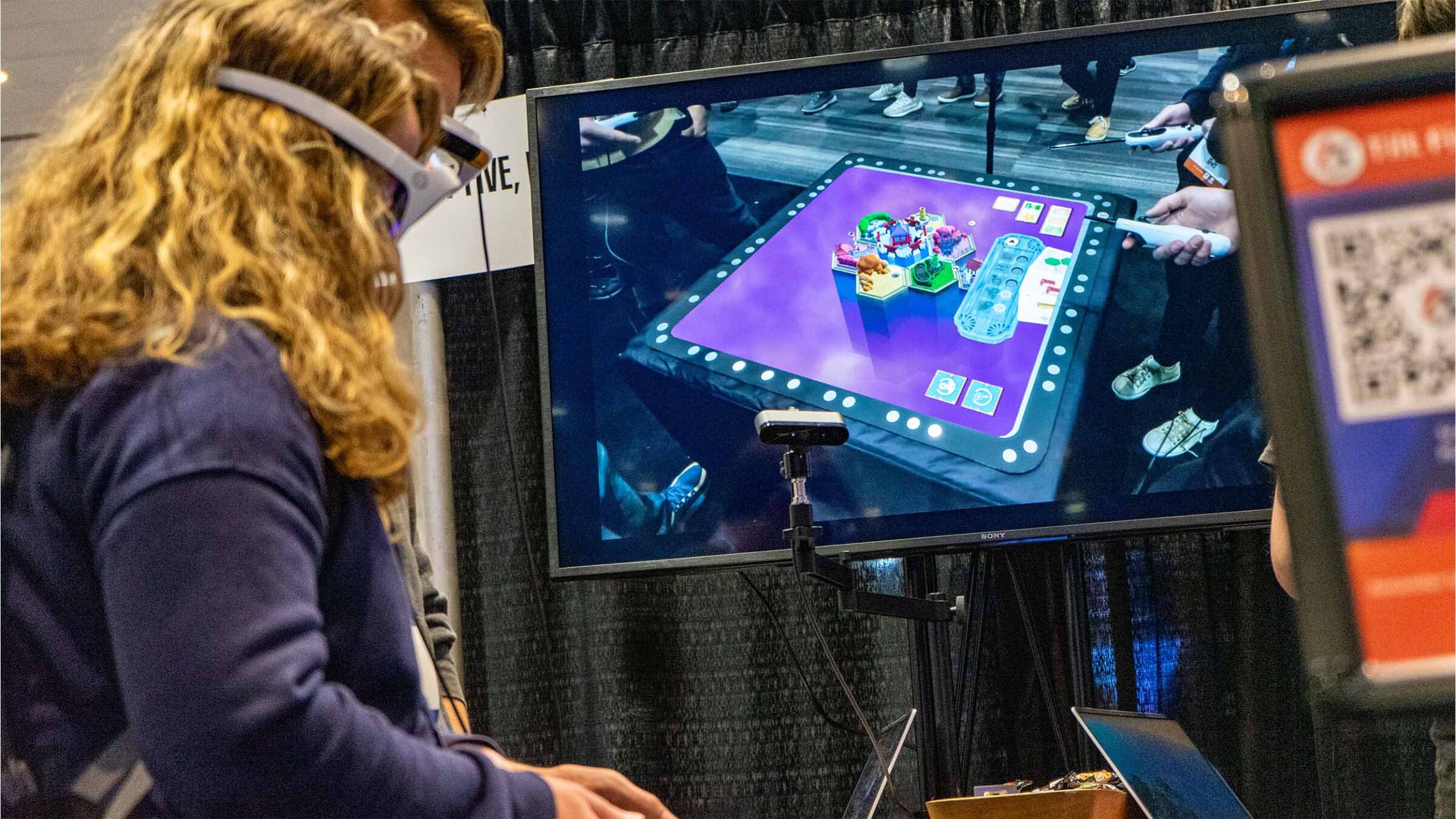
You’ve got the idea. You can see the world, the mechanics, and the feel of it. You just don’t know how to build it yet. Here’s the thing: every game developer has started in this exact same spot. Game programming isn’t something you’re born knowing. It’s something you learn by doing — and the first step is a lot smaller than you think.
Why Every Game Starts with Code
Programming is at the core of every video game; even games built with visual scripting tools generate code behind the scenes. The sooner you get comfortable with programming fundamentals, the faster you’ll be able to bring your ideas to life. As you progress, you’ll gain more control over things like player interactions, physics systems, and score mechanics you design.
Is there a difference between game programming and computer programming?
Not really; a game programmer is still a programmer. The same logic, data structures, and problem-solving skills that power web apps and operating systems power your favorite games. The only difference is the application: game programmers apply programming to real-time rendering, physics simulation, player input, Artificial Intelligence, and audio systems. If you can code, you can learn to code games.
What programming languages do game developers use?
The two most important languages in professional game development are C++ and C#. C++ is the backbone of Unreal Engine and many AAA titles. It’s fast, powerful, and gives programmers deep control over memory and performance. C# is what you’ll work with in Unity, one of the most widely used engines in the world. If you’re just starting out, C# is often the easier entry point because of its cleaner syntax and Unity’s enormous platform and community support.
Python is another great language for learning programming fundamentals, and it’s used in game development for tooling, scripting, and rapid prototyping. Godot, a popular open-source engine, uses GDScript, a language that reads very similarly to Python and is designed specifically with game development in mind.
How to Start Making a Game
The most common mistake new game developers make is thinking too big. Your first game doesn’t need to be a 40-hour role-playing game (RPG), it just needs to exist — to actually be finished and playable. Getting started is the hardest part, so here’s a realistic path to your first completed project.
Pick a game engine
A game engine is a software framework that handles the complex, repetitive infrastructure of game development — rendering graphics, managing physics, playing audio — so you can focus on building your actual game. According to Video Game Insights’ Big Game Engine Report of 2025, over 51% of games released on Steam in 2024 were made in Unity, while Unreal Engine accounted for 28% and is growing fast. For beginners, the three most recommended options are:
- Unity (C#) — Industry-standard, massive community, excellent documentation. Dominant in indie and mid-size games. Great for both 2D and 3D.
- Unreal Engine (C++ or Blueprints visual scripting) — Powerful and stunning, used in everything from indie surprise hits to AAA blockbusters. Blueprints let you build game logic without writing code, which is useful for early prototyping.
- Godot (GDScript) — Free and open source. Lightweight, beginner-friendly, and growing rapidly in the indie community. Great first engine if you want to understand every layer of what you’re building.
Don’t waste weeks deciding which engine to use. Pick one, follow a beginner tutorial, and make something small; know you can always switch later.
Start small, then go smaller
Your first project should be smaller than you think. Not a platformer with visuals. Not a survival RPG with manageable inventory systems. Instead, start by building games similar to Pong, Frogger, or Asteroids. Then, you can try your hand at a simple maze game or an endless runner. Once you’ve built a game with one mechanic done well, you can start expanding your skills and knowledge base. The goal in the beginning isn’t to impress anyone; it’s simply to complete the full cycle of making a game: design, build, test, fix, ship. That cycle teaches you more than any tutorial. Once you’ve completed one tiny game, your second will be better, then your third, and so on before your newest will genuinely be good and grounded in the fundamentals.
Follow tutorials, then innovate
A good place to start is with official tutorials for Unity, Unreal Engine, and Godot. These are well-designed (and free!), but don’t stop when the tutorial ends. Modify what you built and push the boundaries of what you’ve made. Discover what happens when you change the colors, add a mechanic, or swap out the player character. Breaking a working project teaches you what each piece does in a way that following instructions never quite does.
Join a game jam
A game jam is a timed challenge — most commonly 48 to 72 hours — where developers build a complete game from scratch based on a theme. Game jams can be both virtual and in-person, and are one of the best ways to accelerate your learning. They force you to scope ruthlessly, make decisions fast, and finish something individually or as part of a small team. Events like the Global Game Jam and Ludum Dare are free to enter and happen multiple times per year. Many Champlain College students participate — and some even win.
How to Build a Winning Game: A Step-by-Step Guide
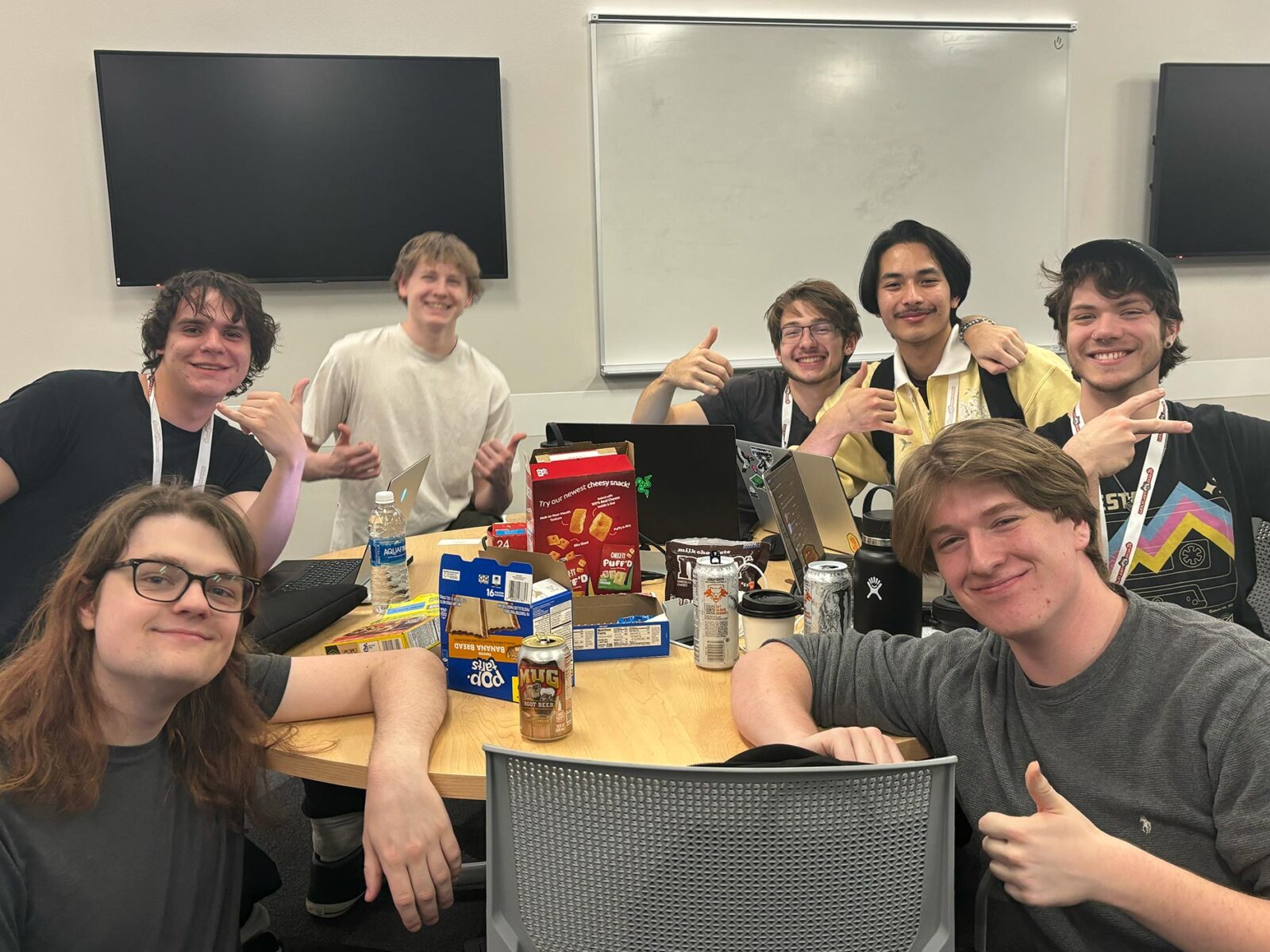
What does it look like when Champlain game programming students compete? A first-place finish at Wolfjam is a pretty good answer.
Read MoreInternships and Real Studio Experience
At some point, solo projects will only take you so far. When you’re comfortable enough with your skills, try expanding and collaborating with others on a game. Getting real experience working on a team with set deadlines, critical feedback, and professional expectations is what separates a strong portfolio from a career-ready one.
Champlain College’s Game Studio Experience
Games aren’t made in single-player mode. Champlain College’s Game Studio Experience is a learning environment modeled after real, industry-leading game studios. During your four years at Champlain, you’ll develop an understanding of the game pipeline from concept to finished product. You’ll do that while collaborating with students across all seven of Champlain’s game majors on real-world projects that result in fully functional, playable games.
Unlike many programs that keep disciplines siloed, Champlain’s model mirrors actual studio structure. If you’re a Game Programming major, you’ll work alongside game artists, designers, sound designers, production managers, and publishers to create a portfolio piece that’s unique to your studio group. You’ll graduate understanding how all the disciplines connect — something AAA studios love about Champlain grads. In fact, alumni have gone on to work at Ubisoft, Insomniac Games, Riot Games, Blizzard Entertainment, and Sony Bend Studios, to name a few.

Champlain also offers more game degree programs than any other college in the country, and its Game Studio consistently ranks among the top game development programs in the nation.
Build a portfolio
Every game you make is a potential portfolio piece — even the small ones. What studios and industry professionals look for is your ability to take an idea through from concept to completion. A strong game programming portfolio typically includes playable builds (you can upload them to an itch.io account — it’s free and widely used by studios), source code on GitHub, and brief documentation explaining what you built and what you learned. Don’t wait until you feel ready to start building your portfolio; start with the next thing you make.
Network as a student
The game industry runs on passion and professional relationships. Game jams, Discord servers, GDC (Game Developers Conference), and local dev meetups are all genuine opportunities to meet people who might hire you or become your collaborators one day. Champlain’s location in Burlington, Vermont, puts students within reach of game dev scenes in Montreal, Boston, and New York, while providing a tight-knit community on campus.
Choosing a Game Programming Degree
Not all game development programs are created equal. When evaluating degree options, look for programs that teach you to write and understand real code (not just use no-code tools), that facilitate collaboration and allow you to work in team environments that mirror the industry, and where faculty have real industry and professional experience. Access to internships, co-ops, and studio-quality equipment and software can make a real difference, too.
Champlain College’s Bachelor of Science in Game Programming is designed specifically for students who want to become professional game programmers. The curriculum covers the skills and knowledge you need to work at real studios like:
- Programming
- Mathematics
- Systems design
- Teamwork
You’ll start major-specific classes during your very first semester. And because Champlain’s agile development skills translate across industries — from mobile and software development to medical simulations — you’ll graduate with future-focused skills that take you just about anywhere.



Frequently Asked Questions
What programming language should I learn first for game development?
If you want to learn through making games as fast as possible, start with C# in Unity or GDScript in Godot. Both are approachable for beginners and widely used. If you want the deepest industry transferability, learning C++ early will prepare you for AAA studio work and systems-level programming. Python is also an excellent choice for understanding programming fundamentals before you specialize, but it’s really up to you and your comfort levels.
How long does it take to learn game programming?
You can learn enough to build a simple, playable game in a few weeks with consistent effort and a good beginner tutorial. Building professional-level skills typically takes two to four years of deliberate practice — which is roughly the length of a bachelor’s program. Keep in mind, though, the fastest path isn’t the one with the most tutorials: it’s the one where you build and finish the most projects.
Do I need a degree to become a game programmer?
Some game programmers are self-taught, but a degree matters more in programming roles than in other game development disciplines. Studios hiring for programmer positions typically expect applicants to demonstrate computer science fundamentals like data structures, algorithms, math, and systems programming, which are all systematically taught in a degree program. A strong portfolio is essential either way, and a degree from a program with strong industry connections can significantly accelerate your career. Learn more about Champlain’s Game Programming degree requirements and outcomes.
Your Next Move
Game programming is a craft, and like any craft, you get better by doing it — one project at a time. The most important thing you can do today isn’t to find the perfect engine or the perfect tutorial — it’s to start something small and see it through to the end. That’s the habit that makes game programmers.
Ready to build games for real? Champlain College’s Bachelor of Science in Game Programming pairs you with mentors who’ve shipped titles, a cross-disciplinary studio experience, and a curriculum designed around what studios actually hire for.
Looking for more information about Champlain College? Start here!
Fill out the form to receive helpful information!
All trademarks, service marks, trade names, and logos referenced in this article are the property of their respective owners. All company, product, and service names used in this article are for identification purposes only.
Author



More Inside The View
Ideas
From the minds of our students, faculty, and alumni.
News
The latest from Champlain College.
People
Champlain is more than just a place; it's a community.
Places
On campus, in Burlington, and beyond.
Events
Check out our many campus events and get involved! Refine your search by using the filters or monthly view options.