How to Break Into the Film Industry
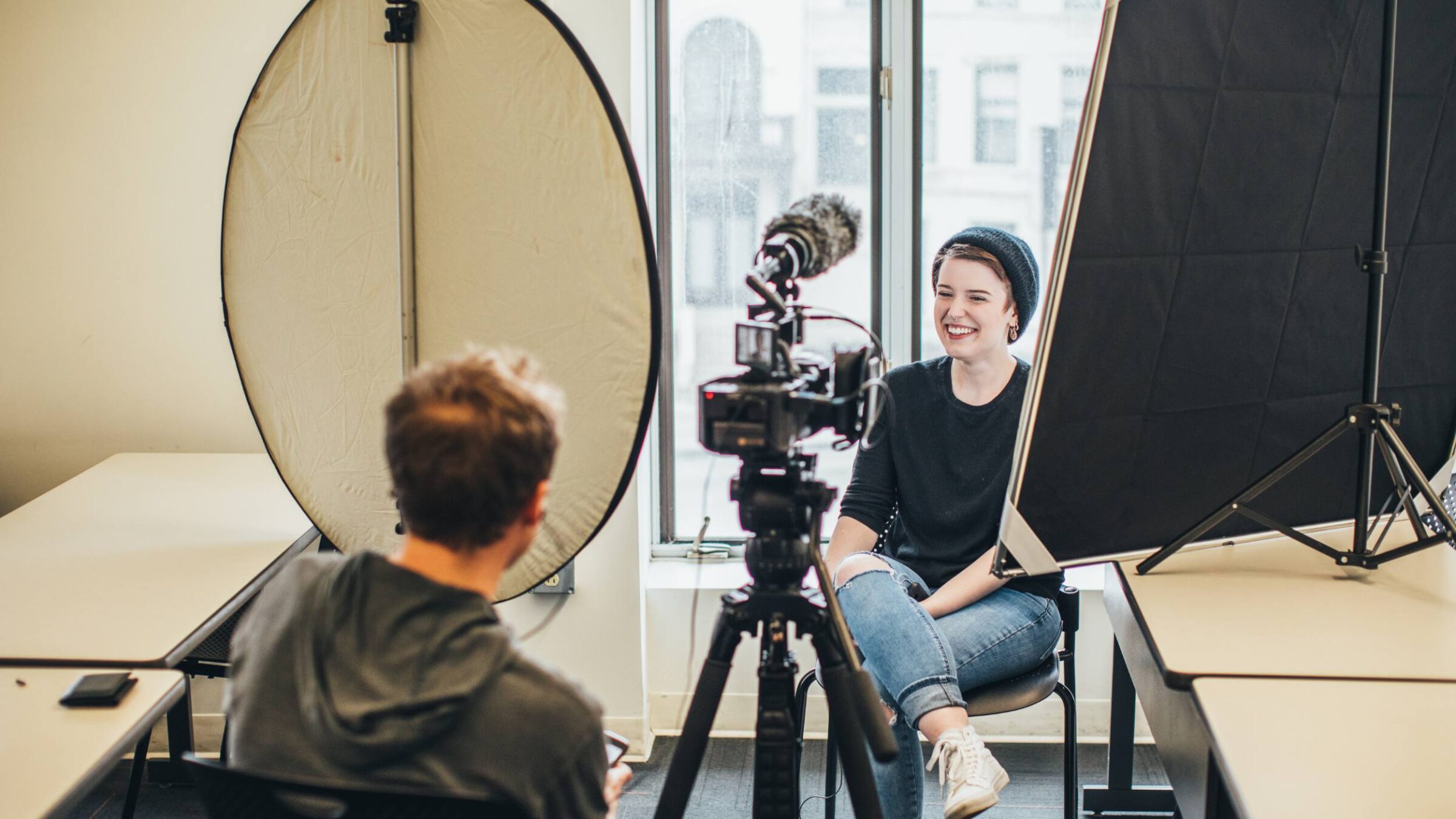
The path into the film industry has always needed hustle, passion, and dedication. From local gigs and indie projects to festivals and freelance work, the opportunities are out there — but they won’t come to you without effort. This article looks at what it actually takes to break into the industry, gain filmmaking experience, and stay ahead.
A Realistic Look at the Film Industry
The film industry is different from how it was a decade ago. While the movie viewing experience and box office numbers are still low, data sets from Gower Street Analytics predict a 5% box office increase for 2026. With audiences returning to theaters, it signals an upward shift that the industry hasn’t seen since the pre-pandemic years.
Advances in artificial intelligence (AI), computer-generated imagery (CGI), and visual effects (VFX) have shifted how films are made. Emerging technologies like virtual reality (VR), augmented reality (AR) and spatial audio are reshaping how they’re experienced. Bigger budgets, immersive, large-scale productions, and technological advancements allow creators to experiment with new formats and storytelling approaches.
So, what does all this mean for aspiring filmmakers?
The Film Industry is Competitive — and Constantly Evolving
The film industry has always been competitive, but shifting landscapes and technological advancements offer opportunities to get in. AI is streamlining many entry-level positions that once helped filmmakers begin their climb into the industry.
While this means a higher bar to reach, it doesn’t close the door entirely. As Champlain College filmmaking professor John Rasmussen sees it, the key is understanding how to use AI as a tool rather than leaning on it as a crutch, and using that to your advantage.
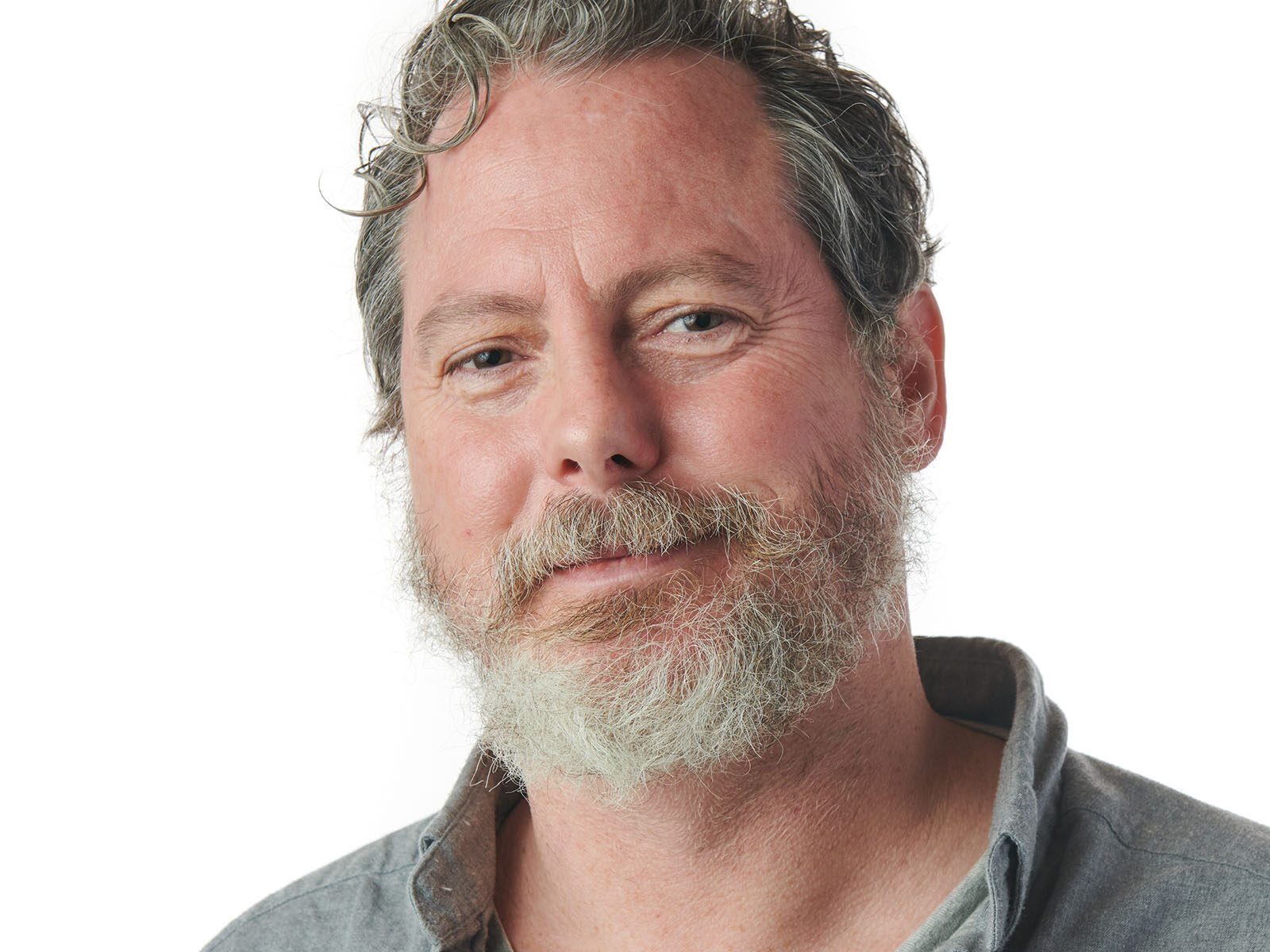
John Rassmussen, Filmmaking
“AI is a tool. You can use it to clean up where you can’t tell the difference between decent and really good sound, which is kind of a game-changer, but you have to know how to use it. There are certain things that you can do using AI that you couldn’t do before. For example, you can now save dialogue that would have been doomed or would have cost the sound editor hours of work.”
This kind of flexibility matters more than ever in an industry that’s actively changing. The industry is evolving fast, and the filmmakers who evolve with it are the ones finding their way in. According to the Hollywood Reporter and FilmLA, Hollywood is producing fewer TV and broadcast productions.
At the same time, the need for a variety of content is high. Streaming platforms, social media, branded content, and independent projects open doors to new opportunities.
You Will Never Stop Learning
On and off set, on the fly, and from everyone around you, you will always be learning something new — and that’s one of the best parts about the film industry. Whether it’s a technique you never tried, a piece of equipment you’ve never worked with, or even a new way of looking at a project, every set, every project, and every opportunity will give you something new. Some of the coolest parts about working in film stem from the different ideas and perspectives others bring to a project or gig, and you’ll keep learning and refining your skills the more you’re involved.
Find Your Passion and Get Into the Film Industry
Don’t let the hustle and uncertainty stop you from following your passions. There is no right or wrong path to finding your interests and your way into the film industry, but here are a few tips to get you on the right track:
Consider a Film Degree / Attending Film School
While it’s not required, a formal education can give you a leg up. Film degrees show your dedication, work ethic, and commitment to expanding your knowledge. Film schools provide students with hands-on experiences and access to industry-standard equipment and software that might otherwise be unavailable. Paired with the structured classwork, projects, and collaboration with fellow students, you’ll also build up your network and connections early.
Experience is the biggest factor companies look for when hiring for the industry. At Champlain College, students learn from industry-expert faculty and work on real projects in and out of the classroom, all while leveling up their practical skills — and Champlain’s Filmmaking program gives you these experiences as early as your first semester.
We get stuff in their hands right away, and whatever level of experience they come to us with, we’re open, and we’re ready to teach.

High-school students:
Champlain offers a summer Pre-College Filmmaking Academy, giving you a taste of what your college experience could look like.
Filmmaking AcademyKeep Creating, Building, & Updating Your Film Portfolio
Start now. No matter how small. Follow your passions, and try new ideas and techniques.
Everything you work on — passion projects, student films, short films, commercials, etc. — is a chance to grow and showcase your skills and add to your overall portfolio. The only way to improve is to keep creating, and the only way to stand out is to have something to show.
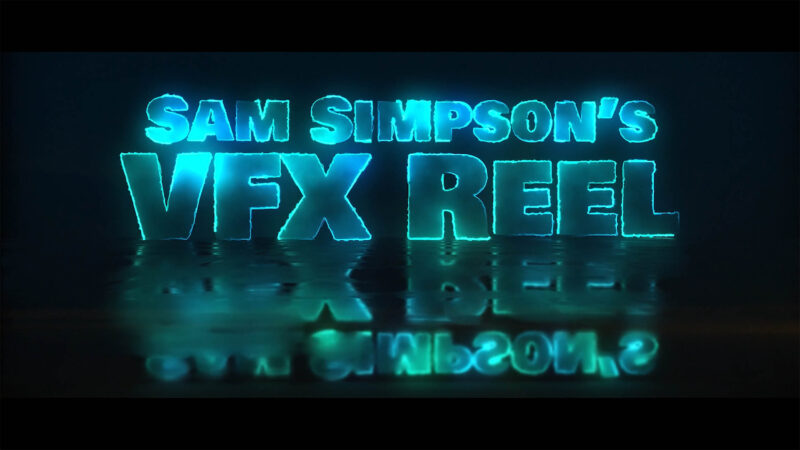
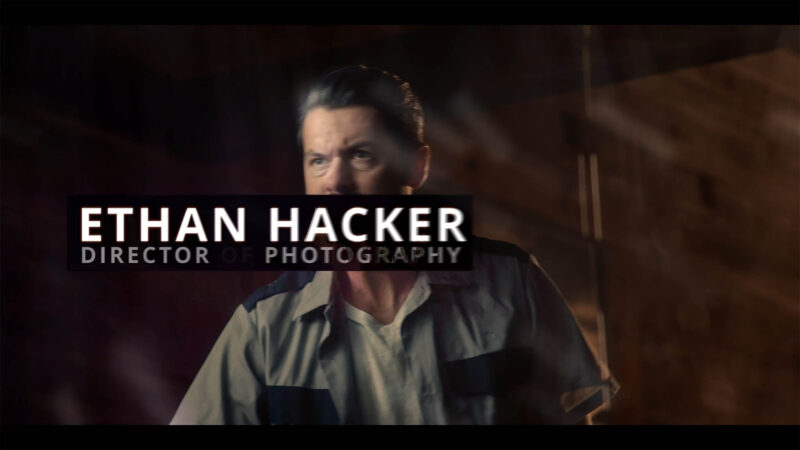
You can host your film portfolio or reels (a short compilation of videos showcasing your best work) on a professional website or on platforms like YouTube or Vimeo. Your portfolio or reel should highlight everything you brought to a project: did you write a script? Work on sound design? Or did you do visual effects (VFX) or special effects (SFX)? If it’s something you did or a skill you have, it belongs there. Keep adding to it, and let it grow with you.
Champlain Student Reels
Film portfolio development is built into the Champlain experience — and faculty are there to help you find your footing, follow your passions, and teach you the necessary skills, not tell you which direction to go.

Networking, Networking, Networking
Who you know matters as much as what you know in the film industry, and building those connections is the key. Make it easy for people to find your work online by linking your portfolio and reel across social media. Utilize tags when posting your projects to socials, Vimeo, or YouTube to drive the people who are interested in that content to your work. If they’re in your area or you are open to traveling, you can attend events, film festivals, and network in person.
Finding Connections
Don’t be afraid to reach out directly, either. While they may not always respond, you can always send an email to a director whose work you admire or a producer you want to learn from or work with.
When you do make those connections, be open to feedback. Treat every note, every critique, and every conversation as a chance to learn something new.
The film industry is close-knit, and people talk. Be professional, be reliable, and stick through every project you’re involved in — and don’t burn bridges. The person you worked with on a student film recently could be the one who recommends you for a paid gig three years from now. John explains this simply, “At the end of every gig, everybody’s on their phone thinking about what’s coming next. If you’re on somebody’s rolodex and they can’t do a gig, they’re going to pass it to someone they think fits or brings a particular skill, or even one of their friends.”
The Job Won’t Come to You — You Have to Find It
No one is going to email you a film career. Every connection you make, every project you finish, and every gig you say yes to is another step toward being the person someone thinks of when an opportunity comes up.
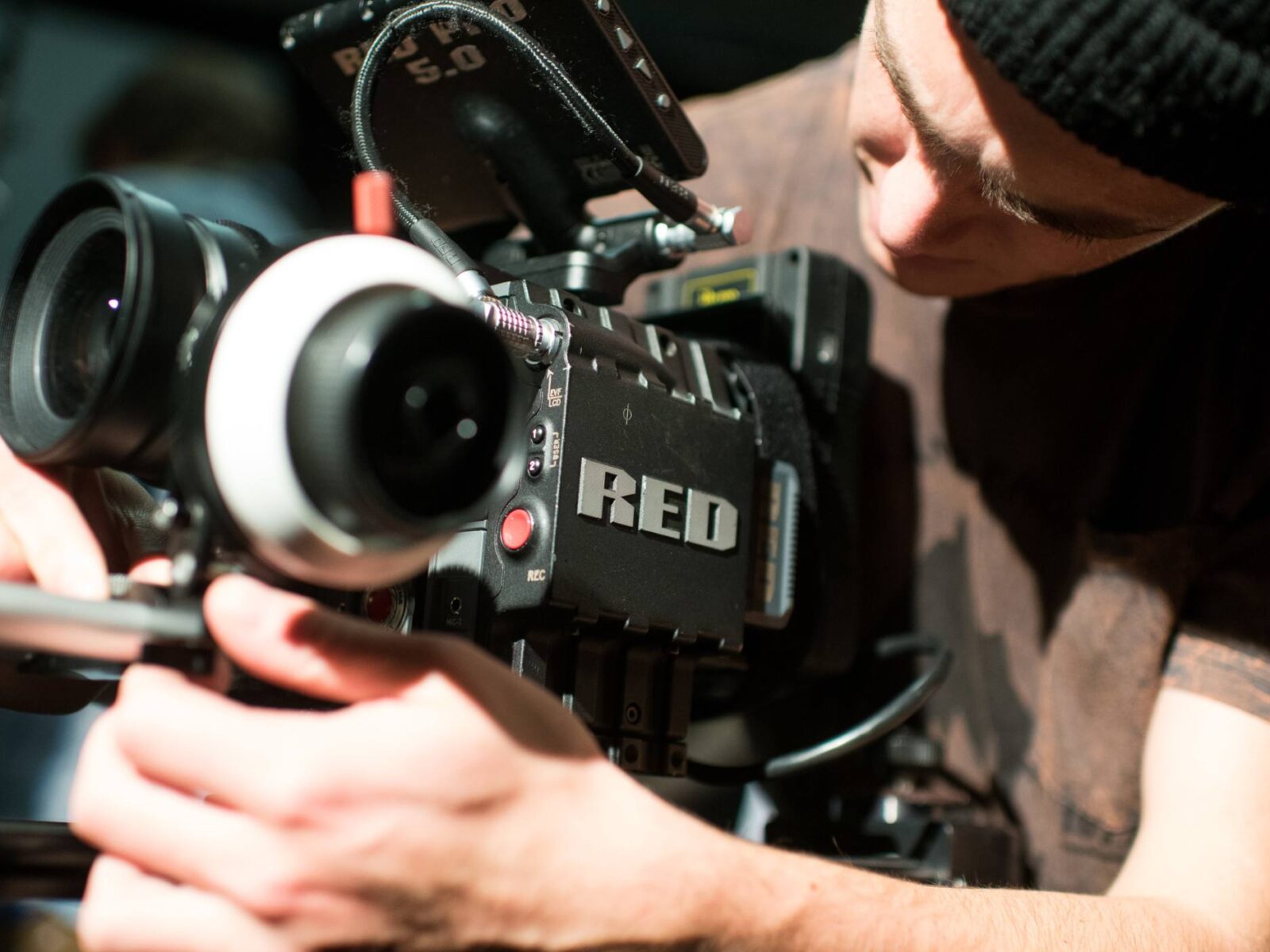
“Know that you can do it. It’s not going to be right away, but you have to hustle. Give yourself that chance. And if you’re washing dishes or you’re doing catering to supplement in order to pay the rent, that’s okay, because you’re moving closer to where you want to be in the film world.” — John Rasmussen, Filmmaking
Look for Film Internships and Entry-level Opportunities
You don’t need to live in Hollywood or NYC to find a job in film. While these industry hubs do exist, there are opportunities in lots of other places. Keep an eye out for film festivals and events, internship opportunities, and real experiences you can add to your portfolio.
Champlain film students are encouraged to take advantage of New England opportunities, such as the Vermont International Film Festival and the Made Here Film Festivals. If you’re willing to travel, some of the biggest networking opportunities take place during well-known events like the Sundance Film Festival or the San Francisco Independent Film Festival (SFIndieFest). And if the time is right, don’t be afraid to submit your work to a festival!
Check out online resources for finding film internships or opportunities on job boards like Backstage, LinkedIn, Handshake, ProductionHub, or StaffMeUp. Plus, if you know a few companies that you’d like to work with, look at their websites for postings and opportunities, and be sure to keep checking back for updated listings.
Find Local Gigs or Freelance
Local work is another way to build your reel and your network at the same time. If you shoot a commercial for a local business, another business might see it and want to hire you. Then, they tell a friend, and that friend might know someone in the industry, and suddenly, a local gig has opened a door you didn’t expect.
Some of the local and freelance opportunities worth keeping an eye out for include weddings, commercials, business spotlights, corporate content, event coverage, and real estate photography and video. They all pay, help build your reel, and put you in front of people who need what you can do. Be sure to keep an eye out for other opportunities in your area and search through local listings.
A student of mine said it best: You can make a living if you are willing to take a lot of different stuff. He shoots commercials and weddings, and works on feature films once in a while. It gets easier each year as you gain more contacts. You need to take your baseline and your persistence, and you can make a good living and like what you’re doing. That’s the most important thing.
Indie on the Rise. Treat Every Project as a Stepping Stone
A growing wave of independent filmmakers are proving that you don’t need a studio deal to make something people want to watch. YouTuber Mark Fischbach’s (known online as Markiplier) self-financed film “Iron Lung” took the industry by storm during its short release window in January 2026, where it made over 11 times its budget and nearly took the #1 spot for the weekend’s box office.
And while Mark’s budget may be out of reach, Kane Parsons — known on YouTube as Kane Pixels — proved you don’t need one. Kane’s found-footage, analog horror series “The Backrooms” was made using Blender and After Effects. The traction, uniqueness, and high level of detail made waves across the internet and caught the attention of production company A24, which then hired Kane as director for a studio-backed theatrical release in mid 2026.
Both of these projects reinforced that anyone can make a movie, no matter your budget — all it takes is knowledge, time, and determination.
Frequently Asked Questions
How long does it take to break into the film industry?
While the answer varies depending on your experience, network, and skills, it can take several years. Those looking to get a film degree spend between two and four years in film school before breaking out and looking for positions after graduation, but they have a leg up through experience and connections. The more you network, the easier it is to find a job, but most filmmakers don’t find their stride until many years into their careers.
Is the film industry a stable career?
The film industry doesn’t come with a guaranteed paycheck. Freelance and contract work is normal, and gaps between gigs are part of the reality, but don’t let that discourage you. Be persistent; filmmakers who build lasting careers tend to take a wide range of work, build their reels, and expand their networks over time. It’s a different kind of stability compared to traditional careers; each is on their own path, and to persist on it puts one in a world that they find rewarding.
How is AI changing the film industry?
AI is supporting and streamlining the industry. It’s also opening up possibilities that weren’t available before. Take Corridor Digital’s open-source ChromaKey tool, CorridorKey, for example — it’s a free, AI-powered tool that makes green-screen work easier and accessible. Powerful tools like this can remove barriers and pain points so filmmakers can focus on what they do best: create.


Study Film at Champlain College
Understanding not only how to make films but also how to use new tech, collaborate with others, be open to new ideas, and get something new out of each gig you’re part of are some of the most valuable things a filmmaker can bring to the table. At Champlain College, you’ll not only gain those real industry skills and connections, but also learn how to leverage these new tools without losing sight of the craft.
AI isn’t going away, and our faculty make sure every student is prepared to step into their careers with the skills and knowledge to succeed. No algorithm can replicate or replace the creative and storytelling instincts or the eye for sound or color grading developed over years of watching and making films.
“Filmmaking is about having the time in the space,” says John, “What we do [at Champlain] is figure out where [students] want to be and kind of direct them that way. It’s not my movie. It’s their movie, and it’s what they want to do. It’s our job to help them get there.”
Our Creative Studio allows students from multiple majors to work together, gain insights, and collaborate with other creatives on projects. A popular event is the Screaming, Screening, Reading, put on by professors in the film major and the writing & publishing major. You’ll find students collaborating on both personal and classroom projects. Plus, there is ample opportunity for non-film or writing students to participate in creative projects.
In an industry that rewards those who show up prepared, a solid foundation and drive make all the difference.
Looking for more information about Champlain College? Start here!
Fill out the form to receive helpful information!
All trademarks, service marks, trade names, and logos referenced in this article are the property of their respective owners. All company, product, and service names used in this article are for identification purposes only.
Author


More Inside The View
Ideas
From the minds of our students, faculty, and alumni.
News
The latest from Champlain College.
People
Champlain is more than just a place; it's a community.
Places
On campus, in Burlington, and beyond.
Events
Check out our many campus events and get involved! Refine your search by using the filters or monthly view options.