What Can You Do With a Degree in Digital Forensics? Career Paths to Explore
Cybercrime is behind 83% of fraud-related losses. From malware attacks to identity theft and even embezzlement, many crimes create digital trails that, if systematically followed and analyzed, can bring perpetrators to justice.
As a branch of forensic science, digital forensics determines how electronically stored data is identified, acquired, preserved, and analyzed. Professionals prioritize data integrity so that evidence remains admissible in court.
Presenting the opportunity to deliver justice through the power of electronic evidence, digital forensics is both an essential discipline and a promising career field where professionals gather and analyze data from a variety of devices and networks to support investigations. Here’s what you need to know about careers in digital forensics.
What Is Digital Forensics?
Digital forensics is the practice of recovering and analyzing electronic evidence from electronic devices. It is used to support criminal investigations, corporate security cases, or legal disputes. The field includes several specialized areas, each focused on different types of evidence:
- Computer Forensics: uncovering evidence of digital activity by examining data from computers.
- Network Forensics: detecting malicious behavior by analyzing network traffic.
- Mobile Device Forensics: recovering data from smartphones or tablets and examining text, call logs, or app activity.
- Cloud Forensics: bringing investigative techniques to cloud environments and analyzing user activities or access controls.
- Incident Response: containing damage in the aftermath of security incidents and using structured investigation and remediation tactics to restore systems.
Why Earn a Degree in Digital Forensics?
As a field experiencing rapid growth, digital forensics fuses technical expertise with investigative abilities. This combination results in a fascinating work environment that promises challenging (yet satisfying) opportunities for problem-solving in real-world cases that can make a profound difference.
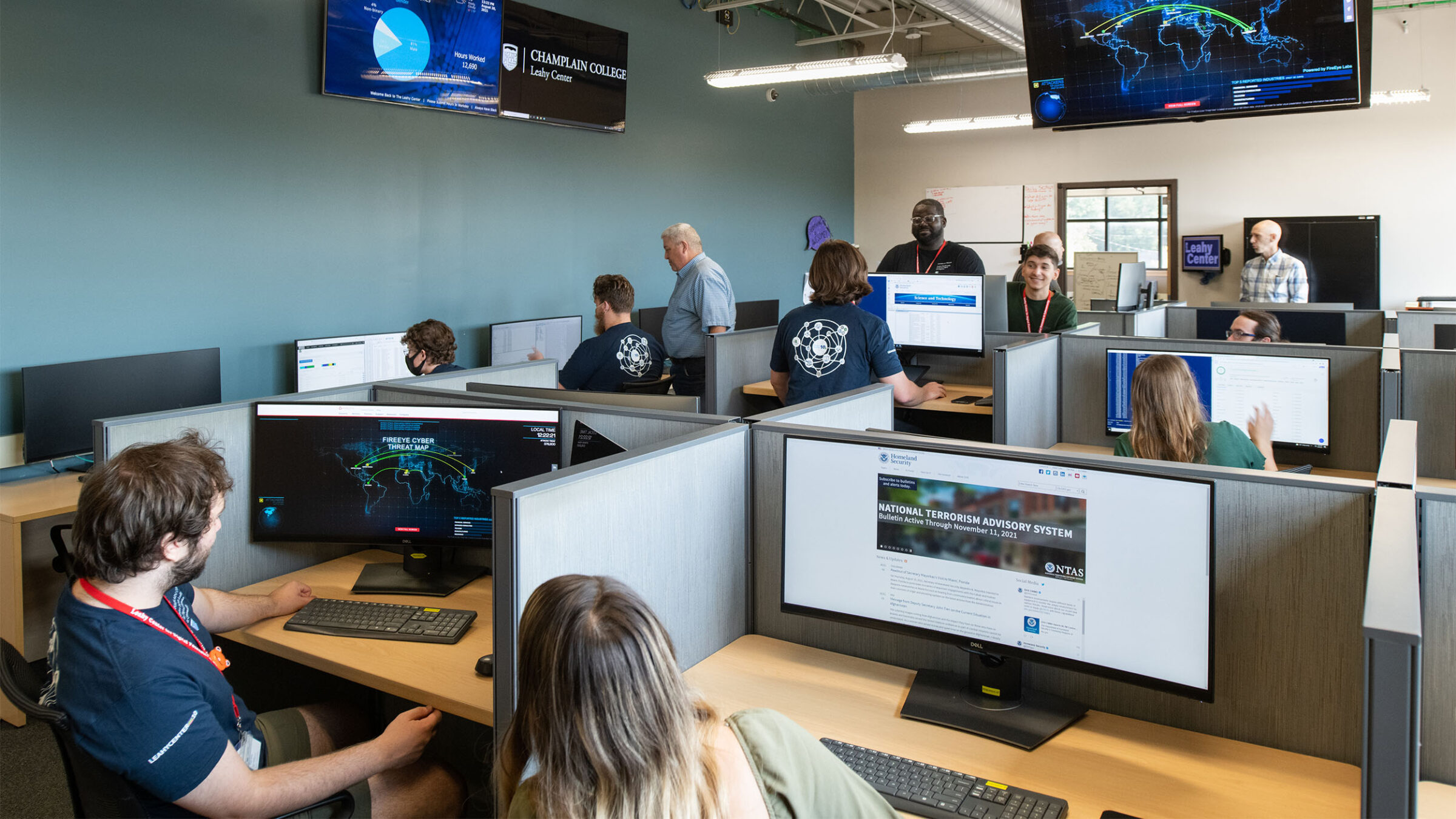
It requires a unique skill set to compile electronic evidence and abide by the chain of custody. Champlain College promotes such expertise through hands-on scenarios, completed within the state-of-the-art Leahy Center for Digital Forensics & Cybersecurity. This Digital Forensics program equips future digital forensics professionals with in-demand skills to tackle future cases with confidence.
Career Paths with a Digital Forensics Degree
A digital forensics degree links technical skill development with investigative expertise. Champlain’s career-driven program focuses on digital forensics but also offers well-rounded skill development that can prepare students for success in several aligned fields.
So, what can you do with a degree in forensics? Below, we outline relevant career paths that show how various professionals support cybercrime investigations.
1. Computer Forensics Analyst
Computer forensics analysts (sometimes called forensic computer examiners) collect and analyze data from digital devices to uncover evidence of cybercrimes or policy violations.
Typical Employers:
- Federal or state law enforcement agencies (e.g., FBI, DHS, state police)
- Private cybersecurity firms
- Corporate compliance departments
Key Responsibilities:
- Imaging and preserving digital evidence
- Recovering deleted or encrypted files
- Writing formal forensic reports
- Providing expert testimony in court
Average Salary Range: $109,000–$192,000, according to data compiled by Glassdoor.
Median Salary: $108,970 (for digital forensics analysts), according to O*NET Online.
2. Cybercrime Investigator
Cybercrime investigators analyze digital evidence to track criminals involved in data breaches, malware attacks, and other digital incidents.
Typical Employers:
- Law enforcement cyber units
- Cybersecurity firms
- Financial institutions
Key Responsibilities:
- Tracking network activity and malware behavior
- Performing forensic imaging
- Analyzing server and firewall logs
- Documenting case timelines
Average Salary Range: $58,000–$67,000, according to data from Salary.com.
3. Incident Response Specialist
Incident response specialists contain and mitigate breaches to restore operations and limit damage.
Typical Employers:
- Managed security service providers
- Security operations centers within major corporations
- Government agencies—especially defense
Key Responsibilities:
- Using threat analysis tools to detect security incidents
- Isolating compromised systems to contain active threats
- Coordinating mitigation efforts
Average Salary Range: $70,000–$122,000, according to data from Glassdoor.
4. Digital Evidence Technician
Digital evidence technicians organize and preserve electronic information that supports the cybercrime investigation process.
Typical Employers:
- Law enforcement forensic units
- Prosecutors’ offices
Key Responsibilities:
- Extracting metadata and files from devices
- Maintaining and organizing evidence databases
- Preparing data for analysis
Average Salary Range: $94,000–$170,000 according to data from Glassdoor.
5. Information Security Analyst
Information security analysts monitor organizations’ computer systems and networks for threats, implement safeguards, and investigate breaches.
Typical Employers:
- Government agencies
- Major tech companies
- Financial services
Key Responsibilities:
- Maintaining firewalls and access controls
- Monitoring vulnerable systems for threats
- Coordinating incident response and recovery efforts
Median Salary Range: $120,000–136,000, according to the U.S. Bureau of Labor Statistics.
6. Malware Analyst
Malware analysts examine malicious software to understand how it works and how it can be detected or prevented altogether.
Typical Employers:
- Cybersecurity firms
- Software developers
Key Responsibilities:
- Learning about malware code structure by reverse-engineering it
- Creating threat intelligence reports
- Providing input on remediation strategies
Average Salary Range: $75,000–$90,000, according to data compiled by Salary.com.
7. eDiscovery Specialist
eDiscovery specialists collect, process, and manage electronic information relevant to legal cases or other investigations.
Typical Employers:
- Law firms
- Corporate legal departments
- Consulting firms offering litigation support
Key Responsibilities:
- Organizing digital evidence
- Promoting compliance surrounding data handling
- Advising attorneys on the technical side of digital evidence
Average Salary Range: $64,000-$77,000, according to data from Salary.com.
8. Forensic Consultant or Expert Witness
Forensic consultants and expert witnesses provide specialized expertise during court cases and internal investigations.
Typical Employers:
- Self-employed or business owners
- Law firms seeking specialized skills
- Government agencies requiring forensic expertise
Key Responsibilities:
- Validating evidence collection and preservation
- Summarizing findings within detailed reports
- Providing testimony during depositions
- Offering technical insight amid incident response efforts or during litigation
Average Salary Range: $97,000–$178,000, according to data from Glassdoor.
Related Articles




Government and Law Enforcement Opportunities
Digital forensics professionals support national security operations with the Department of Homeland Security (DHS), the National Security Agency (NSA), and the Federal Bureau of Investigation (FBI). Those working for federal agencies may need Top Secret (TS) security clearances or Top Secret/Sensitive Compartmented Information (SCI) clearances. State-based roles may involve local police cyber units or the attorney general’s office.
Corporate and Private Sector Roles
In the private sector, digital forensics analysts investigate internal security incidents to support risk management, compliance, and legal cases. They work across industries from finance to insurance. Within law firms, they support discovery through precise data collection, analysis, and preparation for legal proceedings.
Essential Skills for Success in Digital Forensics
Digital forensics professionals must demonstrate interdisciplinary expertise by developing both hard and soft skills that support the collection and analysis of digital evidence without compromising legal or ethical requirements.
Technical competencies enable professionals to accurately uncover, analyze, and secure digital evidence. Essentials include operating system expertise, as well as an understanding of network protocols and cybersecurity fundamentals. Competence with scripting languages and specialized tools (such as FTK, EnCase, and Autopsy) is strongly recommended as well.
Soft skills help ensure that evidence is handled and interpreted correctly. These qualities support investigative and legal skills while also enhancing reports through strong communication. Examples include critical thinking, problem-solving, and collaboration. Precision and patience support meticulous handling, which, in turn, ensures that evidence remains legally defensible.
Job Outlook and Salary Potential
As cybercrime rates continue to rise and electronic evidence plays a greater role in legal proceedings, there will be a growing demand for forensic professionals with technical expertise. The U.S. Bureau of Labor Statistics confirms the need for technical experts based on insights into several aligned roles. Information security analysts have an especially strong outlook, with a projected 29% growth and median wages of about $125,000 per year.
Is a Digital Forensics Degree Worth It?
A digital forensics degree helps professionals earn competitive salaries in a reliable, growing field that offers a sense of meaning and personal satisfaction. This degree offers the most direct preparation for the challenges of the digital forensics field, complete with hands-on practice within lab and simulated environments to build the skills and experience employers actually look for.
Frequently Asked Questions About Digital Forensics Roles
Is digital forensics a good career?
Digital forensics can be an ideal career for driven individuals who enjoy using advanced technologies but are also passionate about delivering justice. This field has built-in benefits (like the satisfaction of solving cases) along with competitive salaries and career demand.
What can you do with a degree in digital forensics?
A degree in digital forensics can provide well-rounded preparation for tech-centered investigative roles such as digital forensic analyst or digital evidence technician. Transferable skills gained through this program can support careers in malware analysis or even eDiscovery.
What degree is best for digital forensics?
A digital forensics degree promotes the most relevant mix of technical and investigative skills, making it the preferred option for aspiring digital forensics analysts or examiners. Relevant skills can also be gained by studying cybersecurity or information technology.
Are there volunteer or internship opportunities for forensic science students?
Forensic science students can gain experience by completing internships or volunteering with nonprofits, law enforcement departments, or other organizations.
Prepare for Your Investigative Future With Targeted Education
Pursue your digital forensics degree to gain practical skills and experience in data analysis and digital investigations. As a National Center of Academic Excellence in Cyber Defense and Digital Forensics, Champlain College offers our students immersive learning environments and a powerful introduction to the world of forensics. Learn more about our Digital Forensics program, take the next step, and apply today.
Looking for more information about Champlain College? Start here!
Fill out the form to receive helpful information!
Author



More Inside The View
Ideas
From the minds of our students, faculty, and alumni.
News
The latest from Champlain College.
People
Champlain is more than just a place; it's a community.
Places
On campus, in Burlington, and beyond.
Events
Check out our many campus events and get involved! Refine your search by using the filters or monthly view options.