Many people think of forensics as dusting for fingerprints and analyzing crime scenes. Forensics of the electronic sort, however, involves diving deep into electronic devices to find and preserve digital evidence. Digital forensics and computer forensics are invaluable to solving crimes and prosecuting criminals, as digital evidence appears in about 90% of all cases—including high-profile ones.
In 2019, for instance, the Supreme Judicial Court of Massachusetts used text messages sent by Michelle Carter to find her guilty of involuntary manslaughter tied to her boyfriend Conrad Roy’s death in 2014. Also, thanks to a 2013 tip from a tax agent, evidence recovered from a laptop seized by the FBI led to the arrest and conviction of Ross William Ulbricht, who ran the darknet black market known as “Silk Road.” Ulbricht was sentenced to life in prison for drug trafficking, money laundering, and computer hacking.
While both of these cases are examples of digital forensics, only one is an example of computer forensics. If fighting against the world of electronic crime intrigues you, the following sections aim to help you understand the differences between computer forensics and digital forensics. These distinctions are crucial for making informed decisions about your education and career in the field.
Computer Forensics vs Digital Forensics
What Is Computer Forensics?
In general, forensics refers to a scientific approach to investigation, crime detection, and evidence gathering.
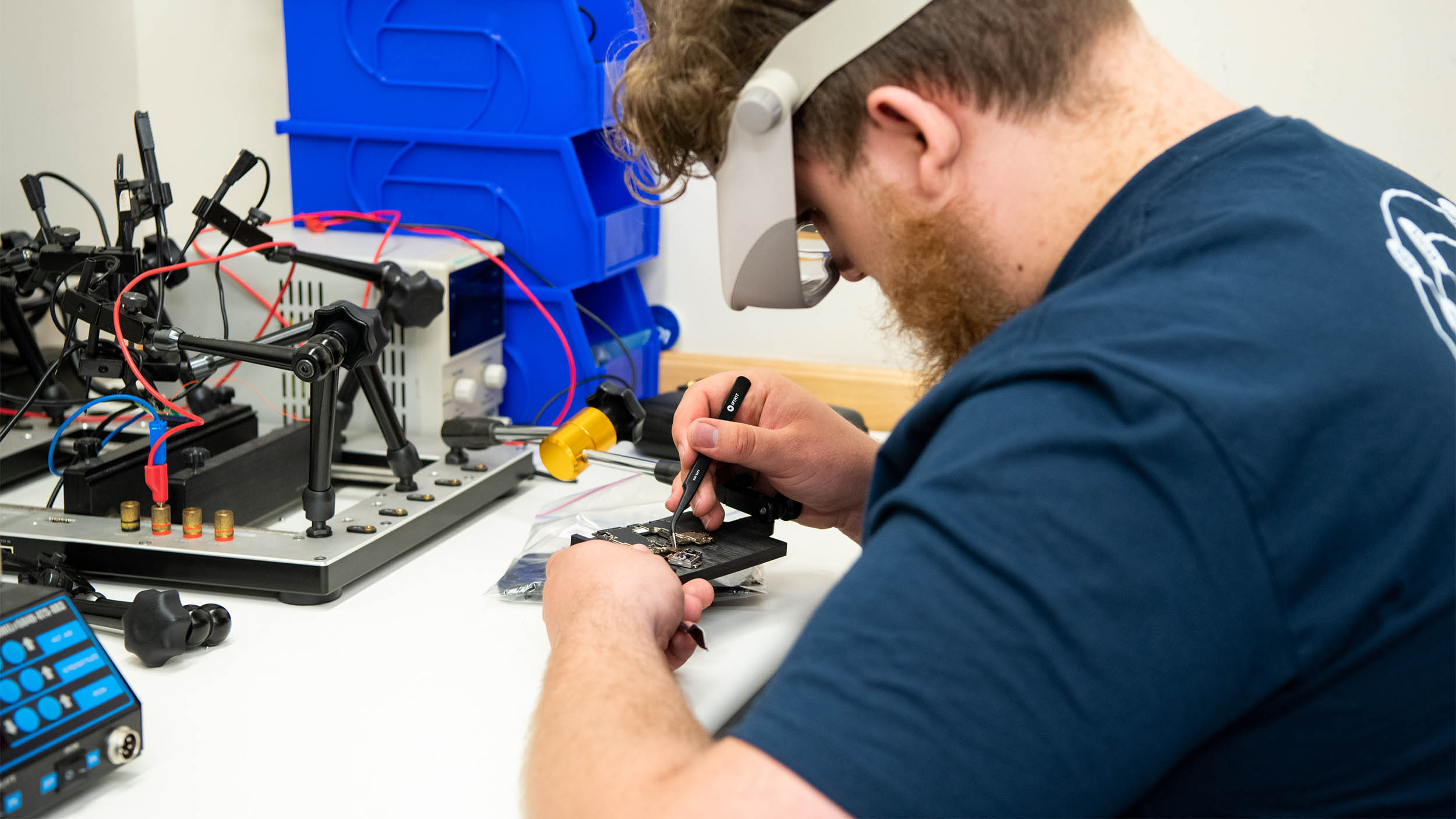
Computer forensics is a type of forensics that leverages scientific investigative techniques to collect, analyze, and preserve digital evidence from traditional computing devices (such as desktop computers, laptop computers, and physical servers). These techniques and protocols aim to secure the forensic soundness of evidence as it passes through a legal chain of custody.
How Computer Forensics Began
The need for computer forensics emerged when digital data first appeared in the 1970s and gained traction in the early ’80s. During this time, personal computers and computer-related crimes became increasingly common. As computing technology expanded and was rapidly adopted, crime began moving online, and law enforcement needed new protocols, procedures, tactics, and experts to handle these cases.
In 1984, computer forensics as a field was officially born when the FBI established the first formal law enforcement team dedicated to computer forensics, known as the Computer Analysis and Response Team.
Core Activities and Tools
Experts working in computer forensics adhere to strict procedural and evidentiary standards to ensure forensic evidence is unadulterated and admissible in a court of law. The field outlines processes for evidence acquisition, examination and analysis, and reporting and presentation. Investigators rely on industry-standard tools and techniques, such as Sleuth Kit, Autopsy, and FTK, to execute these processes.

What is Digital Forensics?
Although the terms “digital forensics” and “computer forensics” are sometimes used interchangeably, they do differ. Computer forensics is actually a subset of the larger field called digital forensics. Digital forensics was utilized in the Michelle Carter case, which focused on text messages, as well as phone conversations and computer-based data.
Definition and Broader Scope
Digital forensics is the science of identifying, collecting, analyzing, and preserving digital evidence from all types of electronic devices and networks. Unlike computer forensics, digital forensics encompasses all kinds of digital devices and data sources, including:
- Desktop and laptop computers
- Computer-based servers and cloud-based networks
- Mobile device
- GPS devices
- Internet-connected medical devices
- Networks and network traffic
- Internet of Things (IoT) environments
As in computer forensics, professionals working in digital forensics aim to uncover facts and evidence to support civil and criminal investigations, legal proceedings, and cybersecurity responses while maintaining the integrity of the device and data.
Branches and Subspecialties
Digital forensics specialists typically work within multiple digital forensics domains—even within a single investigation. The following are some traditional and emerging branches and subspecialties in the field:
- Cloud forensics
- Computer forensics
- Cryptocurrency forensics
- Database forensics
- Digital image forensics
- IoT forensics
- Malware forensics
- Media forensics
- Memory forensics
- Mobile forensics
- Network forensics
Process and Methodology
Digital forensics and computer forensics professionals follow similar processes (outlined by the National Institute of Standards and Technology) throughout the course of their work:
- Data collection: The process of identifying, acquiring, and preserving evidence.
- Examination: Data recovery, searching, and analysis processes for identifying signs of criminal activity.
- Data analysis: The use of specialized tools and techniques for analyzing volatile data, revealing concealed data, and recovering deleted information.
- Reporting: The thorough documentation of processes, findings, and recommendations presented in plain language for law enforcement and use during legal proceedings.
Related Articles
-
January 22, 2026What Is Digital Forensics? Definition and Applications

-
January 22, 2026What Does a Digital Forensic Investigator Do?

-
February 6, 2026Cybersecurity vs. Computer Science: Which Degree Is Right for You?

-
February 6, 2026What Can You Do With a Degree in Digital Forensics? Career Paths to Explore

Are Digital Forensics and Computer Forensics the Same Thing?
No, digital forensics and computer forensics are not the same, but they are closely related; computer forensics is a type of digital forensics.
Digital forensics has a much broader scope that considers all types of devices and sources. It also encompasses the more specific, specialized field of computer forensics (as well as other types). Compared to computer forensics—which only relates to traditional, computer-based systems, data, and servers—digital forensics has a much broader, all-encompassing scope that considers all types of devices and data sources. Due to its wider reach, digital forensics employs a larger set of tools and techniques, making it a more adaptable field, particularly in cases involving multiple types of digital devices, data, and sources.
Why the Distinction Matters (Especially for Students and Employers)
Understanding the difference between digital and computer forensics is especially essential for students and employers.
Relevance in Academic Programs
Students should be aware that digital forensics degree programs, like the Bachelor of Science in Digital Forensics at Champlain College, include a curriculum that covers a broader set of digital technologies and devices, including emerging tech. Computer forensics programs, on the other hand, focus solely on this area of expertise. Studying digital forensics leads to a more well-rounded, flexible, and future-focused skill set that better prepares students for real-world cases.
The distinction between computer forensics and digital forensics matters tremendously in education. Today, a single case might involve smartphones, cloud storage, IoT devices, and social media, all requiring different forensic approaches. Our digital forensics curriculum reflects this reality by training students across all these domains, from mobile device analysis to malware analysis to threat hunting. Students who understand only computer forensics are prepared for cases from 2005; our graduates are ready for the complex, multi-device investigations they’ll actually face.


Career Expectations and Job Postings
The digital realm continues to expand daily, with new technology constantly emerging. As a result, most professional positions in the field require skills that include but extend beyond computer forensics. Studying digital forensics better prepares students to meet the expectations of future employers.
Case Complexity and Investigative Strategy
In the real world, criminals rarely use one type of electronic device to commit cybercrimes. Cases usually involve several types of devices and data sources. Due to the prevalence of complex cases, professionals need cross-domain expertise to succeed in their roles.
Professional Credibility and Courtroom Admissibility
Individuals who only possess knowledge in computer forensics face limitations when testifying in cases that involve newer technologies. Therefore, multi-domain expertise is also crucial for legal defensibility.
Key Differences Summarized
Both fields share foundational principles. The primary differences between computer forensics and digital forensics boil down to:
- Scope: Digital forensics encompasses a considerably broader scope, including all types of digital devices and data sources. Computer forensics only refers to the investigation of computer-based data and networks.
- Methodology: Both rely on similar processes, but digital forensics requires a larger set of tools and techniques for investigating traditional and emerging devices and data sources.
- Interdisciplinary techniques: Both disciplines require knowledge of computer science, cybersecurity, cryptography, law, and psychology.
- Terminology: Computer forensics is a type of digital forensics.
- Adaptability: Digital forensics promotes greater adaptability, as the field embodies all forms of data and data sources.
Sample Use Cases Illustrating Distinctions
Internal Fraud in a Corporation:
- The suspect used a company laptop (classic computer forensics).
- They also sent incriminating messages via smartphone (mobile forensics).
- The email and file documents were stored in a cloud-based service such as Google Drive or Dropbox (cloud forensics).
- Network logs show file transfers and remote connections (network forensics).
A digital forensics analyst integrates all these sources; a pure computer forensics approach might miss key links.
Ransomware Attack on Municipal Systems:
- Attackers penetrated via a network vulnerability (requiring network forensic work).
- They encrypted files on multiple servers (disk forensics).
- They used command-and-control from IP addresses with dynamic infrastructure (network and threat intelligence).
- The ransom demand email was routed through cloud-hosted infrastructure (cloud forensics).
Again, a holistic digital forensics capability is essential.
Intellectual Property Theft Involving a Mobile Device:
- A perpetrator copied proprietary documents from a workstation.
- They then transferred them to a smartphone or USB drive (mobile/embedded device).
- They uploaded them to a cloud storage service for sharing.
Identifying the flow across all these devices and storage vectors requires comprehensive digital forensic competence.
What Sets Champlain College’s Digital Forensics Program Apart?
Champlain College has received several industry accolades for its excellence in digital forensics and cybersecurity disciplines, including being recognized as a National Center of Digital Forensics Academic Excellence institution by the U.S. Department of Defense Cyber Crime Center and designated by the National Security Agency as a National Center of Academic Excellence in Cyber Defense Education.
Champlain’s Digital Forensics degree program presents students with multiple opportunities to develop their digital investigation skills, adopt an investigative mindset, solve problems, and master the art of artifact discovery—all while working alongside real-world digital forensics experts in the Leahy Center for Digital Forensics and Cybersecurity.
Our curriculum stays current because we maintain active partnerships with leading forensic tool companies and law enforcement agencies. Through our academic partnerships, students get hands-on training with professional-grade tools from Magnet Forensics and Oxygen Forensics. We’re developing training scenarios for international law enforcement, contributing to professional standards through organizations like SWGDE, and our students work on real cases through the Leahy Center. This constant industry engagement ensures our curriculum reflects what’s actually happening in the field, not what was important five years ago.
Explore the Many Disciplines of Digital Forensics With Champlain College
Studying digital forensics enables students to learn about computer forensics while also diving into the science of collecting evidence from exciting new technologies. Graduates walk away with a well-rounded education and the cross-disciplinary expertise that digital forensics roles require.
The bachelor of science in Digital Forensics degree program at Champlain College is designed to provide students with a strong, comprehensive foundation in digital forensics, including opportunities for gaining real-world experience while exploring supplementary topics. The strength of our nationally recognized program speaks for itself with impressive employment success rates. To learn more about studying digital forensics at Champlain College, we invite you to request more information today.
Looking for more information about Champlain College? Start here!
Fill out the form to receive helpful information!