20 Jobs You Can Pursue With a Cybersecurity Degree

What can you do with a cybersecurity degree out in the real world?
Whether you’re interested in technical roles, engineering and architecture, or more strategic positions, a cybersecurity degree could set you up with the practical skills and knowledge needed to prevent cyber attacks, protect critical infrastructure, and safeguard sensitive data.
We’re previewing 20 different roles that you may be able to pursue with a degree in Computer Networking and Cybersecurity, from entry- and mid-level to advanced leadership and management roles.
Top 20 Jobs With a Degree in Cybersecurity

Why a Cybersecurity Degree Matters
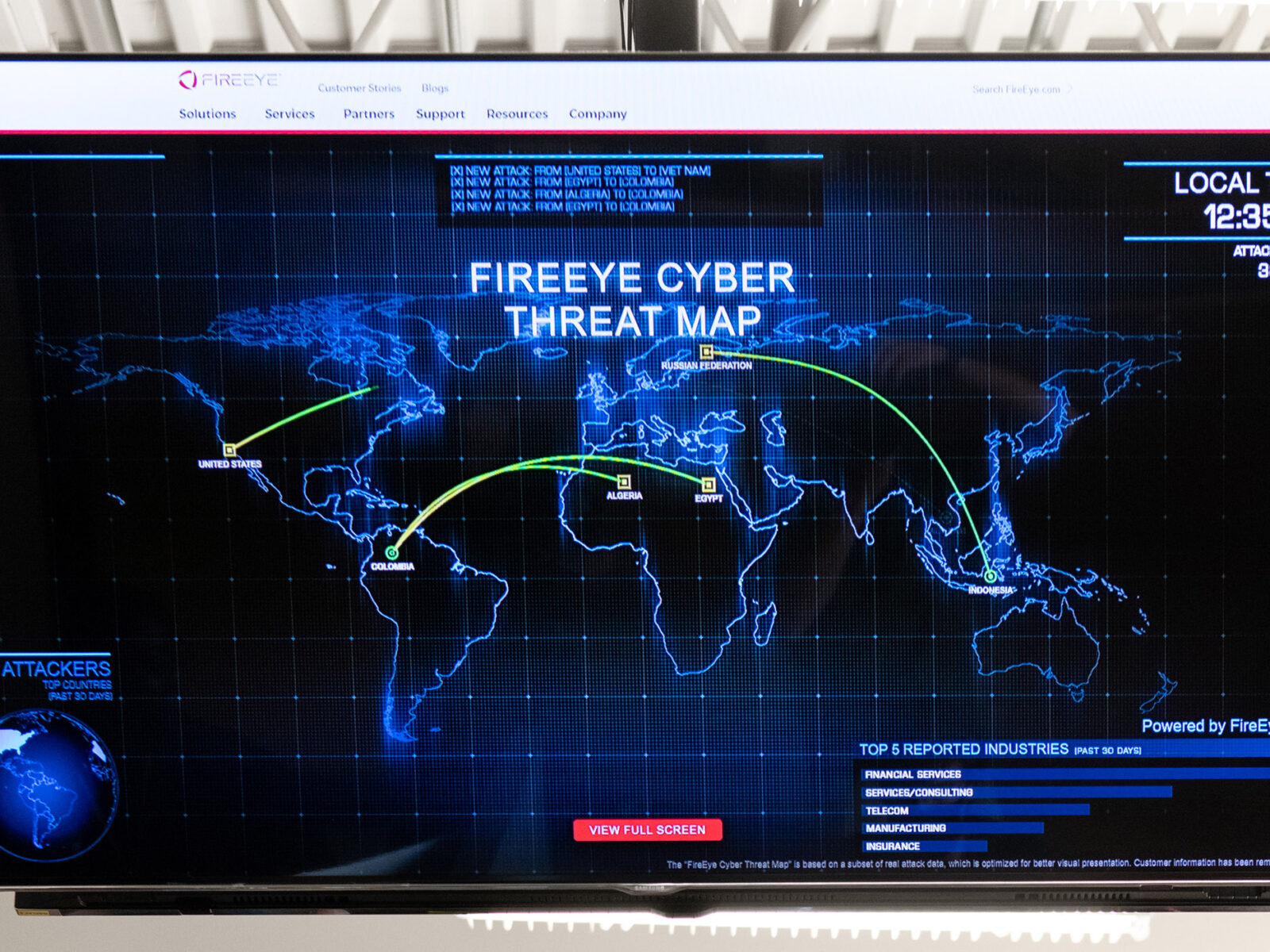
According to the United States Government Accountability Office (GAO), “There has been an increase in most types of cyberattacks across the United States, and the cost of these attacks is also increasing.”
For example, in 2021, more than 1,287 data breaches affected businesses nationwide, averaging millions of dollars in damages per incident.
As the size and scale of cyber attacks continue to rise, so does the need for skilled cybersecurity professionals. According to the U.S. Bureau of Labor Statistics (BLS), the job outlook for information security analysts is projected to grow 29% between 2024 and 2034, which is significantly faster than the national average for all occupations.
With a structured education, hands-on experience, and additional certifications, the next generation of cybersecurity experts can enter the field with a competitive edge and the tools needed to thwart attacks.
20 Cybersecurity Jobs You Can Pursue With a Cybersecurity Degree
Below, you’ll find these 20 cybersecurity roles grouped by experience level, ranging from entry-level to mid-level and advanced positions. Categorizing these jobs by career stage can help aspiring cybersecurity professionals plot their ideal career trajectory — though this is by no means an exhaustive list.
Entry-Level Cybersecurity Job Roles
1. Information Security Analyst
These professionals plan and implement security plans to protect computer networks and systems within a business or organization.
2. Cybersecurity Analyst / SOC Analyst
These cybersecurity analysts are responsible for monitoring networks for suspicious activity, responding to security threats, and implementing protective measures to prevent unauthorized access.
3. Network Security Administrator / Engineer
Network security administrators maintain an organization’s security systems (such as antivirus software and firewalls) while keeping security policies and practices up to date.
4. IT Support Technician (Security Focus)
Information technology (IT) support technicians install and maintain both physical and digital security measures in place to protect organizations, including physical access control and firewalls.
5. Junior Penetration Tester / Ethical Hacker
A junior pen tester, also known as an “ethical hacker,” tests networks and systems for potential security vulnerabilities so they can be addressed before a real attack occurs.
6. Cybersecurity Intern or Associate
These professionals may be responsible for monitoring network traffic for suspicious activity, conducting vulnerability assessments, and otherwise working under the supervision of other cybersecurity staff members.

Alum Laila Martinez, ’25
Laila Martinez interned with Champlain’s Leahy Center, NuHarbor Security, and CrowdStrike during her time at Champlain College. After graduation, she accepted a position as an Associate Consultant at CrowdStrike.
Read More About LailaMid-Level Cybersecurity Opportunities
7. Security Engineer
A mid-level security engineer is responsible for designing, implementing, and maintaining the security systems that organizations rely on to protect against cyber threats.
8. Vulnerability Analyst / Threat Intelligence Analyst
A vulnerability analyst or threat intelligence analyst assesses systems and networks for potential security vulnerabilities and then reports these issues to other security teams, making detailed recommendations for addressing them.
9. Digital Forensics Analyst / Cybercrime Investigator
These professionals are responsible for investigating incidents of cybercrime, collecting and analyzing digital evidence that may be used in a court of law.
10. Security Auditor / Compliance Officer
Security auditors and compliance officers play a crucial role in ensuring that an organization’s cybersecurity measures and practices align with strict industry compliance regulations.
11. Application / Software Security Engineer
These professionals are specifically charged with overseeing security in the development of an application or software program while working alongside other cybersecurity professionals to design and implement these systems.
12. Cloud Security Engineer / Architect
Cloud security engineers or architects design and maintain the infrastructure organizations need to protect their cloud-based systems and data through security controls, access management, risk management, and other essential tasks.
13. DevSecOps Engineer
Development, security, and operations (DevSecOps) engineers are responsible for security at all levels of the software development lifecycle, from early stages of development through final deployment and beyond.
14. Cybersecurity Consultant
These professionals are often hired by companies or organizations as third-party consultants to assess their cybersecurity systems/practices and provide detailed recommendations for improvement.

Alum Sam Johnson ’22
Sam Johnson, a Computer Networking & Cybersecurity graduate, interned with the Leahy Center and the Department of Defense (DoD) where he now works as a full-time lab manager.
Read More About SamAdvanced Cybersecurity Positions
15. Security Architect
At this advanced level, a security architect is responsible for designing and building entire security systems from the ground up—establishing critical frameworks and policies for entire organizations.
16. Information Security Manager / Cybersecurity Manager
At the management level, information security and cybersecurity professionals may oversee entire security teams while ensuring that a company’s policies and procedures align with business goals.
17. Chief Information Security Officer (CISO)
At the executive level, a CISO is responsible for all aspects of an organization’s cybersecurity. These professionals oversee everything from security strategies and risk mitigation to regulatory compliance and incident response.
18. Cyber Threat Hunter / Incident Responder
Both cyber threat hunters and incident responders play a central role in proactively identifying and addressing hidden threats before they can cause major damage.
19. Security Researcher / Malware Analyst
Security researchers and malware analysts stay ahead of the evolving cyber threat landscape by investigating new threats as they emerge and studying them to better understand how they function.
20. Cybersecurity Trainer / Educator
Cybersecurity trainers and educators provide critical training and support to employees in an effort to mitigate risk and prevent them from falling victim to attacks.
What Can You Do With a Cybersecurity Degree? How to Make the Most of It
While a cybersecurity degree program should offer formal education to help you enter the field, there are some additional measures you can take to get the most out of your degree.
Consider choosing a specialization or niche, as this could help you further differentiate your skill set while pursuing the area of the field that most interests you. Additionally, taking advantage of opportunities to gain hands-on experience and building soft skills that complement your technical proficiencies can make all the difference.
Remember that the field of cybersecurity is constantly evolving, so you’ll need to stay up-to-date with emerging threats and trends to remain relevant.
Many cybersecurity graduates will also pursue certifications or other designations in the field, with some popular options including:
What Sets Champlain College’s Program Apart
For those seeking a cybersecurity degree program that offers numerous opportunities for practical, hands-on learning, the Computer Networking and Cybersecurity degree program at Champlain College may be the optimal route. Here, cybersecurity students have access to the Leahy Center for Digital Forensics and Cybersecurity, a hands-on security lab where students work on real-world projects for government agencies and businesses—helping them build their resumes while still in school.
In addition to our hands-on learning model, this program offers a dual focus on networking and cybersecurity, preparing students not only to stop cyberattacks but also to design secure networks and master computer systems. This is just one reason our program has been nationally recognized as a Center of Academic Excellence by the National Security Agency (NSA) and the Department of Homeland Security (DHS).
The Leahy Center has been a great benefit for my education and Champlain due to the learning experiences and opportunities that it has offered. Not only has the Center allowed me to work with services that are taught in the classroom, such as network configuration and systems administrative services, but it also allows me to work with real clients from other business organizations.




Frequently Asked Questions About Cybersecurity Careers
Is it easy to find a job after graduating with a cybersecurity degree?
This depends on various factors, including the position(s) you’re interested in and the job market where you live. However, with a projected 29% growth in employment between 2024 and 2034 alone (according to the BLS), cybersecurity graduates may be able to leverage a combination of their degree, internship experience, and certifications to find work.
Which companies are currently hiring people with cybersecurity degrees?
With a demand across a wide range of industries, it is possible to find cybersecurity job openings at companies such as IBM, Microsoft, Deloitte, Amazon, the DHS, and the NSA, to name a few.
What entry-level positions are available to someone with a cybersecurity degree?
A cybersecurity degree could help you build the career-ready skills needed for entry-level roles in the field—from information security analyst and network security administrator to IT support technician or junior penetration tester. With experience in these roles, you may also be able to advance to mid-level and advanced cybersecurity positions over time.
Build Career-Ready Skills in a Computer Networking Program
Given the countless potential career opportunities to explore, Champlain College’s Computer Networking and Cybersecurity degree is designed to help prepare students for critical roles that protect society from cyber threats. Get in touch to learn more about our program, or take the next step by completing an application for admission today.
Looking for more information about Champlain College? Start here!
Fill out the form to receive helpful information!
Author



More Inside The View
Ideas
From the minds of our students, faculty, and alumni.
News
The latest from Champlain College.
People
Champlain is more than just a place; it's a community.
Places
On campus, in Burlington, and beyond.
Events
Check out our many campus events and get involved! Refine your search by using the filters or monthly view options.