How to Get Into Digital Forensics: Education, Skills, and Career Paths
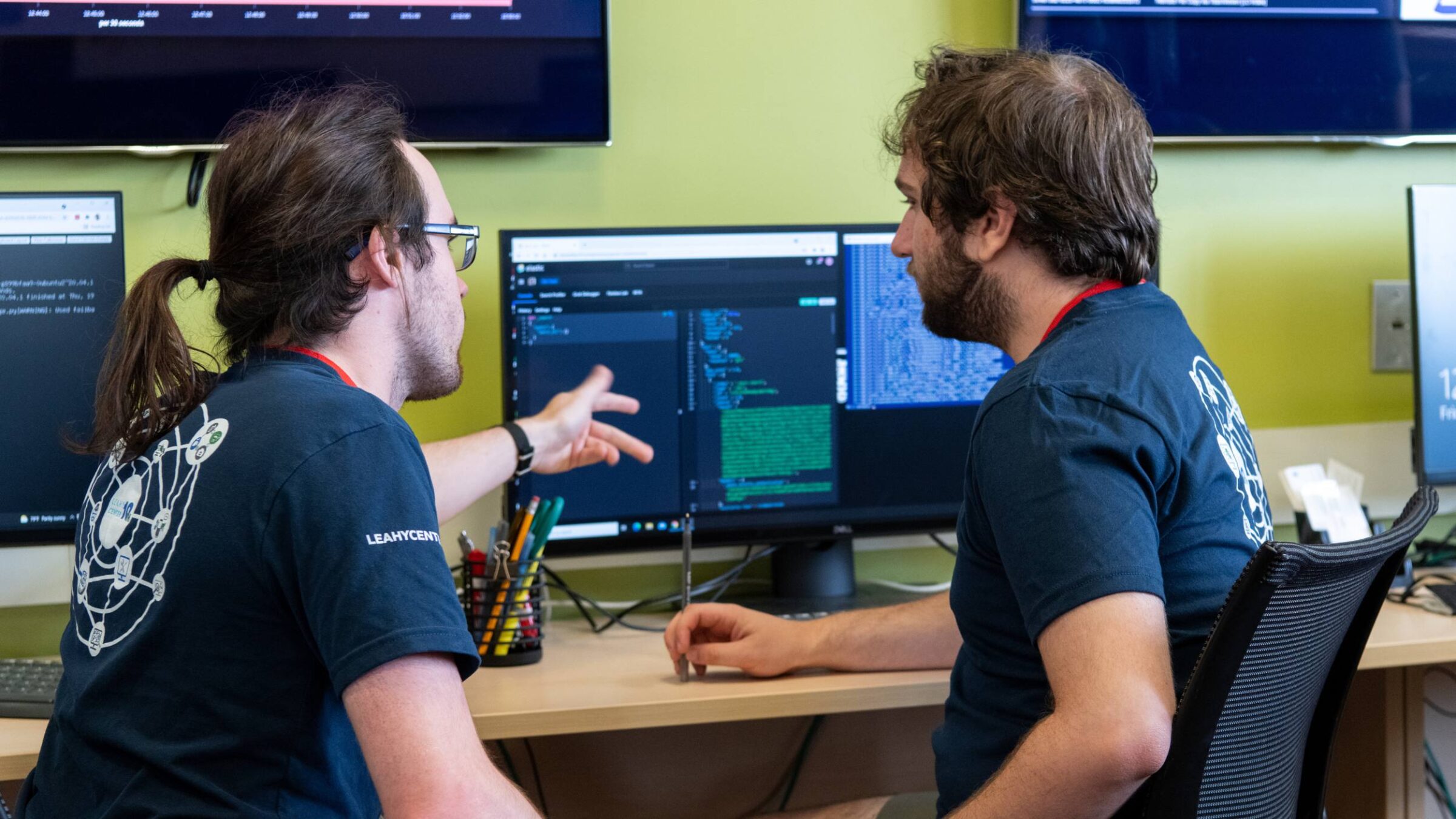
Cybercrime is on the rise, with attacks growing more costly and more difficult to combat. From the Health Service Executive (HSE) of Ireland’s ransomware attack to the SolarWinds trojanized injection attack, numerous alarming examples have hit headlines in recent years.
Other crimes rely on electronic systems as core tools for everything from financial fraud to drug trafficking. In fact, cyber-enabled fraud accounted for 83% of losses reported to IC3 in 2024.
Cybersecurity focuses on stopping attacks before they happen, but justice remains critical. When cybercrimes occur, perpetrators must be identified and held accountable. This requires digital evidence, which is carefully identified and preserved by digital forensics professionals.
Digital forensics combines technical skills with detective work, making it ideal for detail-oriented problem-solvers who enjoy tracing digital footprints and piecing together complex evidence.
At Champlain College, we support your passions and your investigative mindset. Keep reading to discover how to get into digital forensics, and how Champlain’s Digital Forensics program can help you become a digital defender.
How to get into Digital Forensics
What Is Digital Forensics? (And Why It Matters)
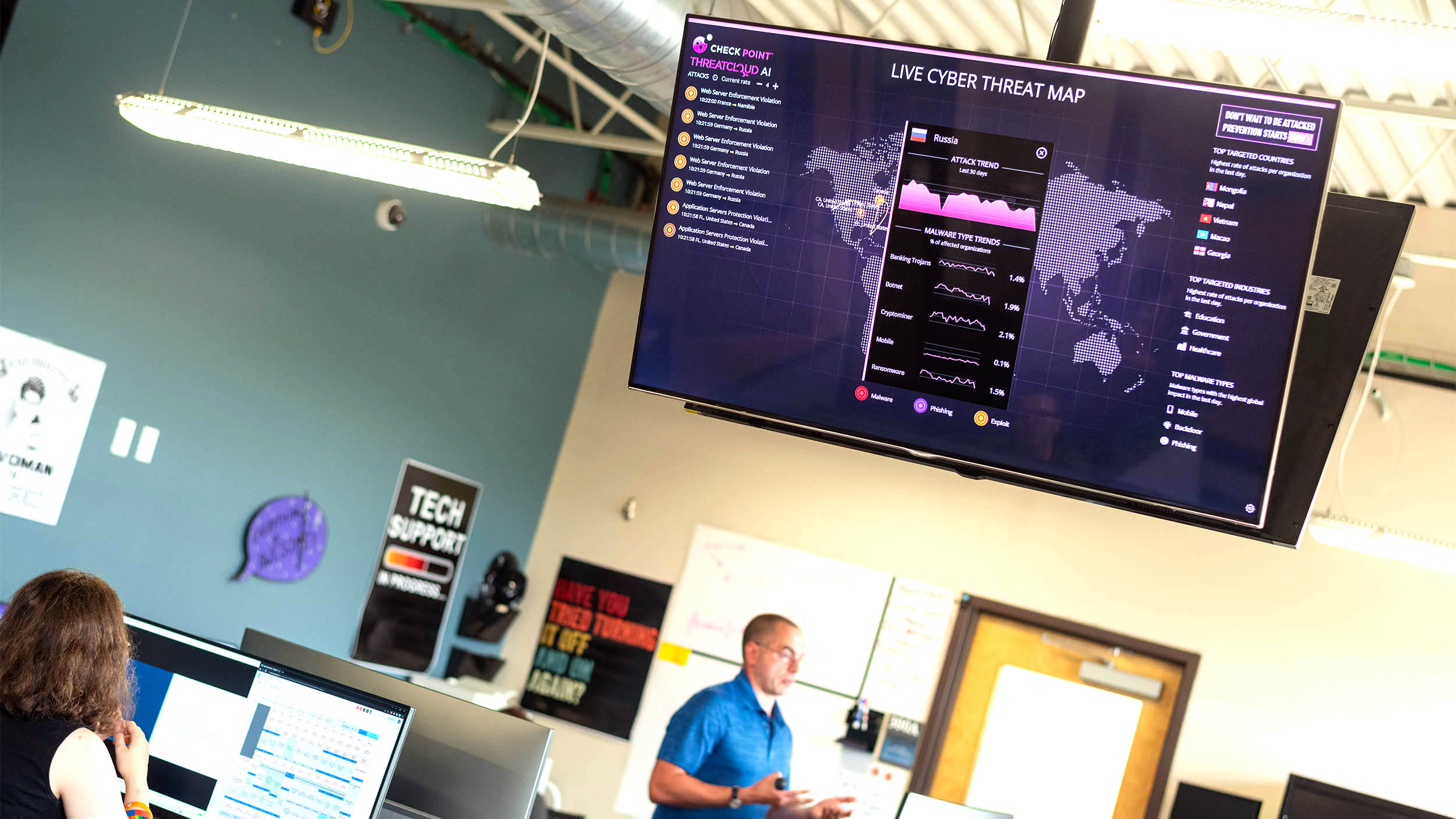
As a branch of forensic science, digital forensics determines how data from computers or mobile devices is identified, preserved, and analyzed. These precise processes support criminal investigations and can also bolster corporate protection and cybersecurity solutions.
Forensic science forms the critical link between technology and justice, prioritizing authenticity and integrity in the collection and analysis of evidence. With digital evidence now present in over 90% of federal and state-based criminal cases, there exists a strong need for electronic evidence preservation—led by professionals with technical and investigative expertise.
Education: Preparing the Foundation
Solving complex cases with digital clues and online investigative methods takes special skills. Professionals require years of preparation, encompassing not only technical proficiency but also investigative training and the development of soft skills.
Undergraduate Degree Path
The journey to becoming a digital forensics professional begins with a targeted degree program. Consider studying digital forensics, cybersecurity, or information technology (IT). These programs cover the fundamentals (such as operating systems and networking technologies) while also providing hands-on learning opportunities that teach digital critical thinking and problem-solving.
These tech skills are important, but Champlain College’s Digital Forensics degree goes further, incorporating investigative and legal expertise into the coursework. We’re pleased to facilitate immersive learning with internships through the Leahy Center for Digital Forensics & Cybersecurity, where state-of-the-art technology brings cutting-edge digital forensics techniques to life, and our partnership with NuHarbor Security at our Lakeside campus.
Advanced Education
A Bachelor of Science in Digital Forensics gives you a strong foundation, but you can also pursue graduate-level training, which may help open doors to senior or leadership positions. Even without formal graduate programs, continuing education remains critical in this fast-paced field. This field changes fast, so stay current by attending conferences, reading industry journals, and participating in Capture the Flag (CTF) competitions to sharpen your skills.
Key Skills for Digital Forensics Professionals
Digital forensics combines technical knowledge, analytical thinking, and investigative skills. Together, these skills enable industry professionals to find, preserve, and understand electronic evidence.
Technical Skills
Digital forensics professionals use specialized tools such as FTK, EnCase, and Autopsy to trace user activity and recover deleted files. Programming and scripting languages like Python or PowerShell enable deeper analysis by leveraging automation to extract and process vast volumes of data.
Investigative and Legal Skills
Investigative skills determine how digital forensics professionals systematically gather and analyze evidence. For example, the chain of custody documents every step of evidence handling to support authenticity and integrity. Legal skills ensure that these steps adhere to strict rules and regulations so that evidence remains admissible in court. Analytical thinking and detail-oriented reports further support court-admissible findings.
Professional and Soft Skills
In digital forensics, soft skills amplify technical and analytical competencies. Namely:
- Written communication skills strengthen reports.
- Collaboration allows professionals to work effectively with law enforcement, legal teams, or corporate stakeholders.
- Critical thinking and problem-solving skills ensure effective responses amid rapidly changing case circumstances and in the face of technological innovation.
Related Articles




Certifications and Practical Experience
Classroom learning builds legal and technical expertise, but hands-on experiences ensure that these abilities are fully leveraged during real-world investigations. There are various paths to gain experience while also boosting resumes and expanding professional networks:
Popular Certifications
Certifications validate expertise and showcase in-demand skill sets. Top options worth exploring include:
- CCE (Certified Computer Examiner)—Validate foundational digital forensics skills among entry-level examiners.
- GCFA (GIAC Certified Forensic Analyst)—Target advanced incident response and analysis among experienced analysts.
- GCFE (GIAC Certified Forensic Examiner)—Prioritize file system analysis and technical forensic examination techniques.
- EnCE (EnCase Certified Examiner)—Demonstrate mastery of EnCase forensic solutions.
Hands-On Experience
College-based experiences, such as internships, bring technical expertise into environments that closely reflect real-world investigative challenges. Beyond the classroom, Capture the Flag presents a game-like approach to resolving forensics challenges. ITS Champlain students participate in the Northeast Collegiate Cyber Defense Competition (NECCDC) each fall, and have even hosted the event on campus. Other competitions may involve penetration testing or network defense, which can also help bolster both technical skills and investigative reasoning.
Career Preparation Path
Most digital forensics careers start with a bachelor’s degree program before transitioning from student to digital forensics professional. These programs provide the foundations and lab skills needed to practice and strengthen investigative skills. After graduation, you could earn relevant certifications and credentials in your area of interest to build credibility. Then, seek an entry-level job related to those specializations while continuing to explore new investigative strategies and technologies.
Career Paths and Job Titles
As you explore relevant degree programs, think carefully about which career paths you find most compelling. You don’t have to choose your niche just yet, but your current interests may also guide your course selection and internship choices.
Entry-Level Positions
After earning a bachelor’s degree, you might ease into the excitement of digital forensic investigations through entry-level positions, such as:
- Forensic Technician—Support the collection of digital evidence for later analysis.
- Digital Forensic Analyst—Reconstruct digital activities while uncovering key events and responsible parties.
- Junior Incident Responder—Detect and help contain cybersecurity incidents.
Mid to Senior-Level Roles
Senior and leadership positions allow you to shape digital forensics investigations. These roles may require graduate-level training, along with several years of industry experience. Examples include:
- Incident Response Manager—Coordinate response to security incidents and guide mitigation strategies.
- Lead Investigator—Shape digital investigations by directing teams of analysts or technicians.
- Forensic Consultant—Provide expert guidance on investigative best practices.
Salary and Job Outlook
While the U.S. Bureau of Labor Statistics’ (BLS) Occupational Outlook Handbook does not provide salary or outlook details specific to digital forensics, forecasts for related fields provide insight into the future of this field. Forensic science technicians, for instance, earn a median salary of $67,440 as of 2024 and show a faster-than-average job outlook of 13%. Additionally, BLS data reveals an impressive outlook of 29% among information security analysts, along with median annual wages of $124,910. Keep in mind that salaries may increase with experience, certification, and advanced education.
How to Get Into Digital Forensics Now: Practical Roadmap
Ready to take the next steps toward a rewarding career in digital forensics? Refer to this practical roadmap to build in-demand skills and get an edge in this promising field:
Practical Roadmap
Assess your skills and education. Identify your strengths and pinpoint areas where you have knowledge gaps. Use these insights to choose courses and experiences that will have the greatest impact.
Enroll in a degree program. Select programs that balance theory with hands-on practice, prioritizing both technical and investigative skills. Study digital forensics with Champlain College to develop well-rounded, in-demand abilities.
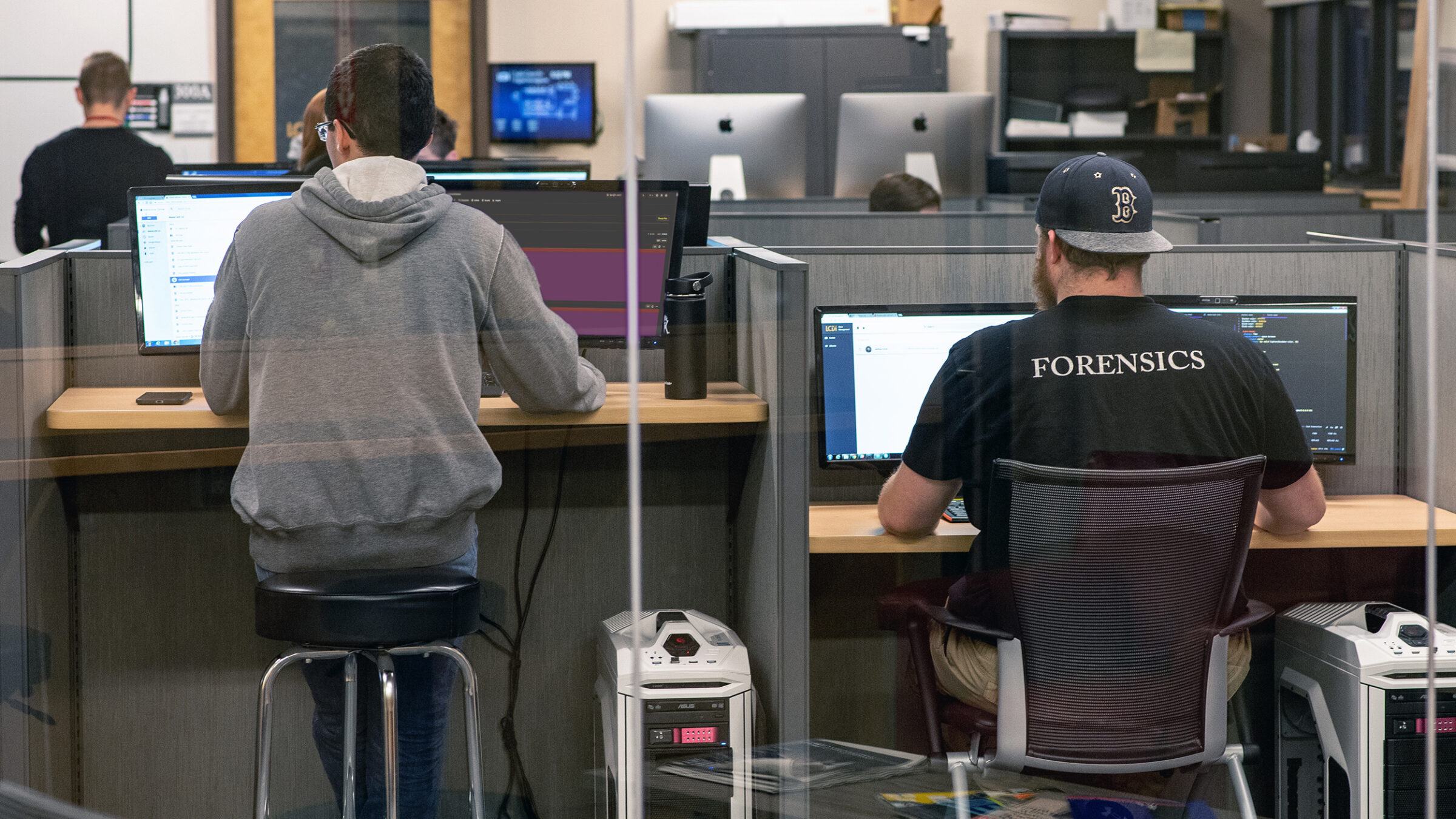
Build technical and investigative skills. Gain proficiency with forensic tools like EnCase and FTK through lab settings (such as Champlain’s Leahy Center), along with simulations and independent practice.
Gain real-world experience. Participate in internships, volunteer opportunities, or competitions to apply industry-relevant skills to real-world scenarios.
Earn certifications. Gain industry-recognized credentials such as CCE or GCFE to enhance credibility and demonstrate expertise.
Launch your career and keep learning. Apply for entry-level roles while attending workshops and conferences to stay current with emerging threats and technologies.
Getting Started in Digital Forensics — Frequently Asked Questions
Do I need a degree in digital forensics specifically?
IT and cybersecurity degrees promote relevant skills, but a focused digital forensics program enhances career-readiness by covering chains of custody, evidence handling, and other industry-specific practices.
Can I get into digital forensics without prior IT experience?
Prior IT experience isn’t outright required to break into this field. Pursue a digital forensics degree and complete hands-on labs and practicums to build relevant skills. From there, entry-level roles such as a forensic technician allow you to apply your training to the role while gaining practical investigative experience.
How long does it take to become employable?
Entry-level jobs should be within reach upon earning a relevant bachelor’s degree. Gain an edge and a smoother transition into the field by completing internships and establishing a portfolio that highlights case studies and relevant experiences.
What if I already have a degree in another field (e.g., business or criminal justice)?
You can still transition to digital forensics by figuring out what skills you’re missing and completing coursework that teaches you the technical skills, investigative techniques, and legal knowledge you need. When applying for jobs, highlight your relevant experiences on resumes and in interviews to demonstrate cross-functional expertise and how your previous experiences relate to digital forensics work.
How do I choose between cybersecurity vs. digital forensics tracks?
Consider personal interests, career goals, and how you want to make a positive difference. If you’re focused on prevention, explore cybersecurity. If you’re committed to justice, look into digital forensics.
Explore Investigative Tools and Techniques at Champlain College
Hone your data analysis and investigative skills through hands-on experiences within Champlain College’s Digital Forensics program. Get in touch today to learn more and discover the satisfaction of adopting an investigator’s mindset.
Looking for more information about Champlain College? Start here!
Fill out the form to receive helpful information!
Author


More Inside The View
Ideas
From the minds of our students, faculty, and alumni.
News
The latest from Champlain College.
People
Champlain is more than just a place; it's a community.
Places
On campus, in Burlington, and beyond.
Events
Check out our many campus events and get involved! Refine your search by using the filters or monthly view options.