How to Become a Cybersecurity Professional

Cyberattacks aren’t just disruptive—they’re costly. From the 2021 Colonial Pipeline ransomware attack that halted fuel supply across the East Coast to the Equifax breach that exposed the data of 147 million Americans, high-profile incidents continue to reveal the staggering impact of cybercrime.
Behind every headline like this are the professionals who help stop, investigate, and prevent future threats. Cybersecurity experts play a vital role in protecting sensitive data and ensuring systems run safely and smoothly.
Whether you are an incoming student or someone looking for a career change, follow this step-by-step guide to learn how to get into cybersecurity and launch your next chapter.
9 Steps to Become a Cybersecurity Professional

Why Choose a Career in Cybersecurity?
Cybersecurity offers something rare in today’s job market: stability, purpose, and impact. Professionals in this field protect hospitals, financial institutions, schools, and governments from digital threats that could cost millions or even put lives at risk.
Not only is cybersecurity meaningful work, but it’s also a field with strong earning potential and rapid growth. According to the U.S. Bureau of Labor Statistics (BLS), information security analysts earn a median annual salary of about $124,000, and employment is projected to grow 29% between 2024 and 2034, which is significantly faster than the average growth rate for all other populations.

“I think so many other colleges that have a computer science or cybersecurity program don’t focus on the hands-on, and they don’t focus on the techniques that you need to learn in order to adapt. Cybersecurity is an ever changing field. So you can’t just learn the tools. You can’t just learn the textbooks. You have to be able to adapt.”
—Molly Shapiro ’25
Step 1: Understand the Cybersecurity Landscape
Many people associate cybersecurity with “hacking,” but that’s just one piece of a much larger puzzle. The field includes network security, cloud protection, digital forensics, and incident response, each requiring a unique blend of technical expertise and problem-solving.
At Champlain, students explore this landscape through The Leahy Center for Digital Forensics & Cybersecurity, one of the nation’s leading applied learning labs. Here, students don’t just learn about cyber defense, they actively assist real organizations, monitor live systems, and analyze digital evidence alongside industry professionals.
Step 2: Get the Right Education
Before you can land your first cybersecurity job and begin building your credentials in the field, you will need to pursue relevant and skills-based education.
Bachelor’s Degree in Cybersecurity or Related Field
Most cybersecurity roles require a bachelor’s degree. Champlain College’s Bachelor of Science in Computer Networking & Cybersecurity degree goes beyond a traditional degree program by immediately providing students with real-world experience through the use of powerful security tools during their first semester. With a foundation in computer science and information security, this degree program equips students with the advanced and specialized knowledge required to understand the dynamic landscape of the cybersecurity field. You’ll explore topics like Network Protocols, Digital Evidence Law, and Information Security, all while using the same professional-grade tools found in the field. Because Champlain is recognized by the National Security Agency (NSA) as a National Center of Academic Excellence in Cyber Defense, you can trust that the curriculum meets the highest industry standards.

High school students
Why wait until after graduation? Champlain’s Cyber Start Dual Enrollment program lets you earn up to nine transferable college credits online, while the Cybersecurity & Digital Forensics Pre-College Summer Program offers a two-week, hands-on experience living on campus and learning in our renowned Leahy Center. Take the first step toward a career in cybersecurity.
Step 3: Develop Technical and Soft Skills
To succeed in cybersecurity, you need more than technical knowledge. Building both technical expertise and strong soft skills will help you adapt, communicate, and solve complex problems effectively.
Technical Skills to Master
The fundamental technical skills required in the cybersecurity field include:
- Networking fundamentals — Network configuration and management play an important role in both preventing and mitigating cybersecurity attacks.
- Operating systems — Cybersecurity professionals need to have an extensive understanding of the leading operating systems, as they will be required to navigate them as part of their daily tasks.
- Programming and scripting — Proficiency in the leading programming and scripting languages, such as JavaScript and Python, is required to develop effective security measures for networks and operating systems.
- Security tools — Expertise with commonly used security tools, such as firewalls, intrusion detection systems, and vulnerability scanners, can give those looking for a cybersecurity job a competitive advantage.
- Cloud platforms — Knowledge of cloud platforms allows cybersecurity professionals to navigate cloud-based systems with ease.
- Penetration testing — Commonly referred to as ethical hacking, penetration testing allows a cybersecurity analyst to test the strength of a network’s security system and develop proactive strategies to prevent future attacks.
Soft Skills Employers Value
By its very nature, the cybersecurity field requires an advanced technical skill set, but many employers also want to hire candidates to have well-developed soft skills, such as:
- Critical thinking — Being able to think critically about a complex cybersecurity challenge is essential, as innovative ideas are required to thwart the most advanced attacks.
- Communication — Cybersecurity professionals often work closely with business leaders and professionals who lack an extensive understanding of the field, requiring them to bridge the gap in the workplace through effective communication.
- Collaboration — Cybersecurity professionals frequently partner with other computer science and information technology professionals to develop robust cybersecurity strategies.
- Adaptability — The landscape of the cybersecurity field is constantly evolving, requiring professionals to adapt quickly to changing conditions and emerging threats.
Step 4: Earn Industry Certifications
A bachelor’s degree provides a strong foundation for a career in cybersecurity, but employers also look for certifications that show your commitment and expertise. Earning industry-recognized credentials can help you stand out and demonstrate your readiness to succeed in this fast-changing field.
Common certifications in this field include:
Step 5: Gain Practical Experience
Gaining real-world experience is one of the most valuable steps you can take when starting a career in cybersecurity. Whether through internships, class projects, or independent work, hands-on practice helps you apply what you’ve learned and build confidence in your skills.
At Champlain, students get that experience early on through lab-based coursework and access to the Leahy Center for Digital Forensics & Cybersecurity, where they work alongside professionals on real investigations and security challenges.
You can also build experience through:
- Internships — These temporary professional assignments allow cybersecurity students to experience the professional environment in this field and begin building their network.
- Co-ops — While internships can be completed during a semester, co-ops are full-time, paid work opportunities that fully emerge you in the working world. You’ll gain deeper experience and insight into your future career trajectory.
- Volunteer work — Volunteer work allows you to expand your reach and learn how to apply your cybersecurity skills in innovative settings.
- Home lab projects — Putting your own creativity and innovation to the test, home lab projects allow you to develop your cybersecurity skills in real-time.
Many Computer Networking & Cybersecurity students at Champlain graduate with four years of experience in their field, which is good for many companies. They’re already trained and they know how to do this and that, and they just start working in companies right away.


Step 6: Choose a Cybersecurity Career Path
Cybersecurity is not a one-size-fits-all field. In fact, there are many career paths that you can consider, with some common job titles including:
- Information Security Analyst — In this role, you work to develop and implement security measures for a specific network or operating system.
- Penetration Tester (Ethical Hacker) — This position focuses on creating simulated cyberattacks to uncover vulnerabilities and enhance overall security measures.
- Network Security Engineer — In this role, you work to develop, install, and maintain a network security system for an organization.
- Incident Responder — This professional responds when cyberattacks happen, often working to mitigate the attack as swiftly as possible.
- Cybersecurity Consultant — This flexible career path enables you to provide cybersecurity analysis and advice to organizations seeking to enhance their security efforts.
- Digital Forensics Investigator — By bridging cybersecurity with criminal justice, this role enables you to investigate cyberattacks, uncover evidence, and support the judicial process.
Step 7: Stay Current with Evolving Threats
Cyber threats never stand still, and neither do cybersecurity professionals. Staying current means keeping an eye on emerging trends, new attack methods, and the tools used to stop them. Follow security news, join professional associations, attend conferences, and take part in Capture the Flag (CTF) competitions to keep your skills sharp and relevant.
Step 8: Build a Professional Network
In cybersecurity, who you know can be just as important as what you know. Building a professional network helps you discover new opportunities, learn from experienced professionals, and stay connected to the latest developments in the field. Start by creating a thoughtful presence on LinkedIn, joining cybersecurity groups, and finding a mentor who can guide you as you grow your career.

Story Highlight:
Welcoming Our New Neighbor: NuHarbor Cybersecurity — Our industry partners make expanding your cybersecurity network as easy as stepping out into the hallway.
Step 9: Prepare for Job Applications and Interviews
When it’s time to apply for jobs, highlight your hands-on projects and certifications. This shows employers that you can turn theory into practice. Build a portfolio that showcases your best work and explains what you learned from each project.
Many cybersecurity employers also include technical assessments during the hiring process. Reviewing key topics and completing practice tests beforehand can help you feel confident and prepared. During your interview, focus on demonstrating your problem-solving mindset and curiosity, two traits that define successful cybersecurity professionals.
Cybersecurity Career Outlook
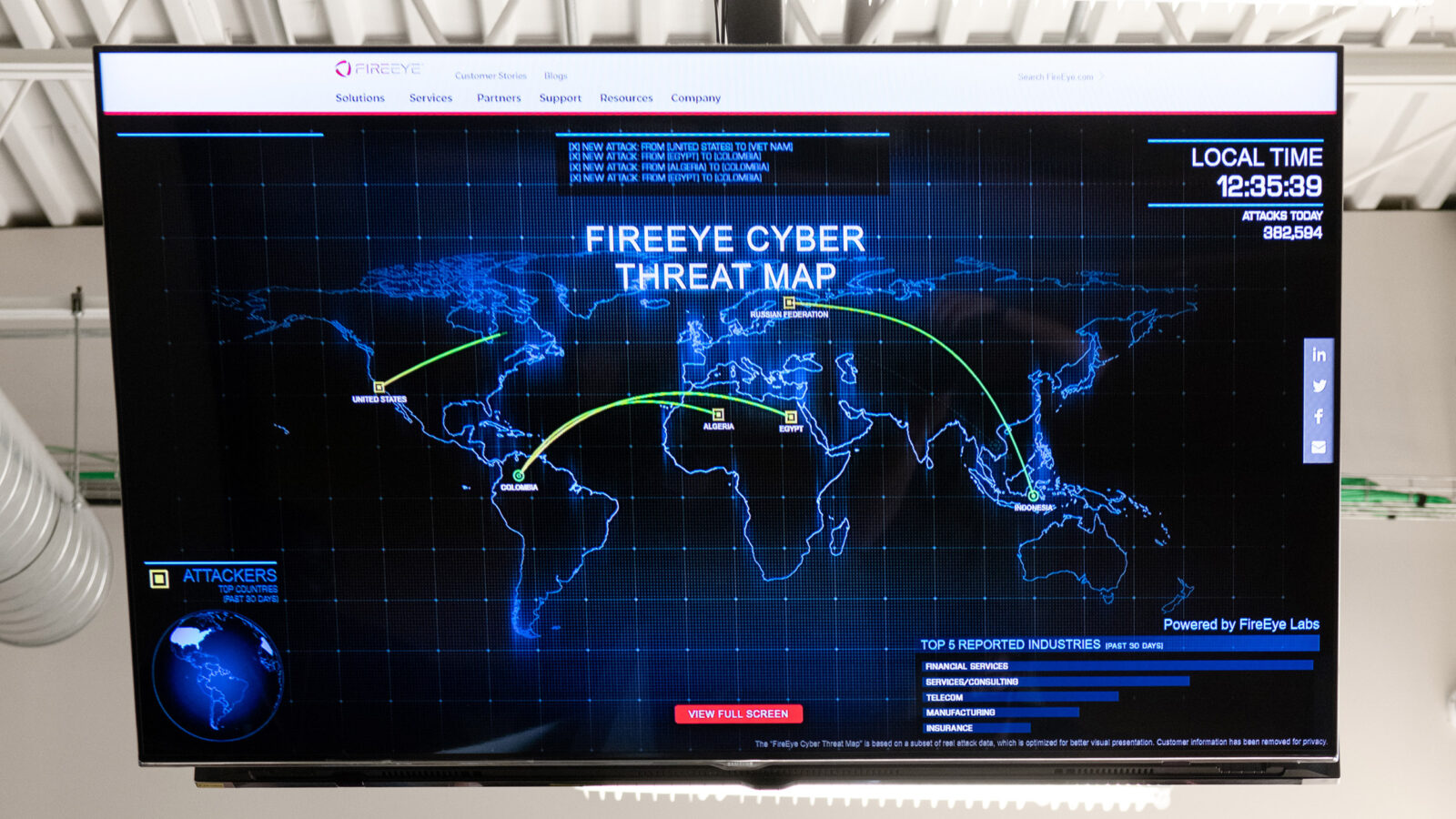
Cybersecurity is one of the fastest-growing fields today, with more open positions than qualified professionals to fill them. This demand gives job seekers the flexibility to find roles that align with their interests and goals. Emerging areas like cloud security, AI-driven defense, compliance, and critical infrastructure protection continue to open new and exciting career paths.
FAQs About Getting Into Cybersecurity
What is the best degree for cybersecurity?
A bachelor’s degree in computer science or a related field is ideal for those seeking to pursue a career in cybersecurity. The Bachelor of Science in Computer Networking & Cybersecurity emphasizes the key skills required for the cybersecurity field and provides students with an opportunity to begin working with the leading security tools immediately.
Can you enter cybersecurity without a degree?
Most cybersecurity roles require candidates to have a bachelor’s degree, so it’s recommended that you earn a degree before you begin pursuing opportunities in this field.
How long does it take to become a cybersecurity professional?
The amount of time it takes to become a cybersecurity professional can vary based on your experience and career goals. Generally, most roles require candidates to hold a bachelor’s degree, which can be completed in approximately four years.
Do cybersecurity jobs require coding?
Not all cybersecurity jobs require coding, but proficiency in the leading coding languages is recommended for this field.
What industries hire cybersecurity professionals?
A diverse range of industries require help and support from cybersecurity professionals, including healthcare, finance, manufacturing, e-commerce, and retail.
What does a typical career path look like for a cyber intelligence officer?
The career path to become a cyber intelligence officer requires a bachelor’s degree in computer science or a related field, technical skills, soft skills, and professional experience.


Break Into the Cybersecurity Field at Champlain College
Businesses across all industries are placing an increased emphasis on cybersecurity strategy, knowing that preventing and mitigating cyberattacks is crucial to their success. As a result, the demand for skilled cybersecurity professionals is at an all-time high, making now an excellent time to begin building the credentials required for a lasting cybersecurity career.
If you’ve been wondering how to get into cybersecurity, Champlain College’s cybersecurity degree program is a great place to start your journey. The Bachelor of Science in Computer Networking & Cybersecurity degree at Champlain College offers a rigorous curriculum rooted in computer systems and information security, while also providing students with the opportunity to begin working with real security tools from the start of the program. With access to a state-of-the-art security lab, Champlain students are able to develop the practical and technical skills required to navigate the evolving field of cybersecurity.
Request more information about our skills-based degree programs and apply today.
Looking for more information about Champlain College? Start here!
Fill out the form to receive helpful information!
Author



More Inside The View
Ideas
From the minds of our students, faculty, and alumni.
News
The latest from Champlain College.
People
Champlain is more than just a place; it's a community.
Places
On campus, in Burlington, and beyond.
Events
Check out our many campus events and get involved! Refine your search by using the filters or monthly view options.