
By 2027, the global video game market is expected to reach a value of more than $473 billion — and with an estimated three billion gamers worldwide, it’s no wonder why.
Do you dream of being involved in the next big game? A career as a video game designer could be your calling, and a Game Design degree from Champlain College could help you get the ball rolling.
What Is a Game Designer/Video Game Designer?
A video game designer (also called a game designer) is the creative professional responsible for a game’s overall vision and experience—from mechanics and level design to characters and storylines. Game designers collaborate with artists, programmers, producers, and other teams to create games that people love to play.
What Education Does a Video Game Designer Need?
While it’s possible to break into the gaming industry without a formal degree, many employers prefer a game design or related degree—even for entry-level positions. According to research by the International Game Developers Association (IGDA), 80% of gaming industry professionals have at least a college degree or diploma.
Dedicated Game Design Degree/Bachelor’s in Game Design
Champlain College’s BS in Game Design offers the structured learning, faculty mentorship, and hands-on experience that aspiring game designers need to develop career-ready skills and enter the field with confidence. Our curriculum goes beyond theory, where students complete coursework in game design fundamentals, coding/programming, and game design practices while building a personal portfolio meant to impress potential employers. Unlike some programs where the school retains rights to student work, everything Champlain students create is 100% theirs—to showcase in their portfolio, publish independently, or develop further after graduation.
Alternative Paths: Computer Science and Related Degrees
If you’re looking for a more versatile degree option, you might consider studying a related subject like computer science, interactive media, graphic design, or software engineering. These types of degree programs have the potential to open doors for game design roles while also teaching skills applicable in other industries.

“Using my Game Programming background, I can make tools for farmers that promote accessibility and efficiency. A lot of the current applications for food systems planning are diluted or just spreadsheets. With my Game Programming background, I have been taught how to make pipelines for farmers—for players—to interact with the systems I make.” —Michael Kirkpatrick ’25, Game Programming
Learn more about how Michael Kirkpatrick conquered the hidden job market by gamifying his skills at an internship in Thailand.
The Step-by-Step Roadmap: How to Become a Game Designer
When exploring how to become a video game designer, it’s important to note that the journey is unique, and there’s no such thing as a “one-size-fits-all” approach. Still, this step-by-step guide can give you an idea of what your roadmap as an aspiring game designer might look like.
Step 1: Start Analyzing Games Critically
Start by changing the way you think about your own gaming experience, focusing more intently on such aspects as:
- Game mechanics
- Story structure
- Player feedback loops
As you revisit some of your favorite games (and explore new games you wouldn’t normally play), analyze them with these aspects in mind. What makes the controls feel responsive? Where does this level design drag? How is the game’s pacing? Thinking critically helps you sharpen your analytical skills while helping you get a better feel for what works (and what doesn’t work) in modern gaming. Keep a design journal to track your own insights and observations and develop the critical eye designers need over time.
Step 2: Learn Game Engines and Tools
Start experimenting and familiarizing yourself with industry tools and standards sooner rather than later. Entry-level game designers are expected to be proficient in such game engines and tools as Unity and Unreal Engine. Since both of these tools are free to download and use, there’s no reason to wait.
By learning how to use popular game engines and tools, you may be in a better place to start creating prototypes and even collaborating with teams. Although experimenting with free game engines and other platforms is highly encouraged, it’s important to understand that this is not a replacement for a formal education.
Step 3: Start Building and Prototyping
As you become more proficient in the use of game engines, you might even start the foundations on your first small-scale projects and game prototypes. One of the best ways to gain experience is to participate in game jams, where you can collaborate with others in real-time to create a working game from scratch over a fixed period of time.
Whether you take on a solo project or participate in a game jam, this part of the experience is all about experimenting, having fun, and finding ways to improve your processes and skills.
Step 4: Formal Education and Coursework
One of the most important pieces of the puzzle is getting a formal education in game design or a closely related field. Champlain College’s Bachelor’s degree in Game Design offers a career-focused curriculum with coursework in such in-demand topics as:
- Visual communication
- Programming
- Game technology
- Storytelling
- Level design
- User experience (UX)
Step 5: Internships, Co-ops, and Industry Exposure
During your time in a formal degree program, you may also want to explore opportunities for real-world industry experience. For example, an internship or co-op experience with a local gaming studio can be a great way for you to see the ins and outs of these workplaces for yourself—including valuable exposure to studio workflows. In some cases, internships and co-ops could even lead to offers for entry-level roles in QA or level design.
At Champlain College, we encourage internship experiences and provide resources to help game design students find opportunities that suit their career goals. In fact, 79% of our 2024 graduating class participated in at least one internship during their time here, with many gaining internship experience as early as their first year in school.
Step 6: Build a Portfolio That Speaks
A robust professional portfolio can speak volumes about your experience, skills, and industry knowledge. Crafting a quality portfolio is a critical step to advancing in the video game industry since it shows you can design games rather than just talk about them.
In your portfolio, be sure to include a diverse range of examples that include not just playable builds, but documentation, videos, post-mortems, and examples of your creative collaborations with other professionals along the way. Remember that a great portfolio is about quality and presentation rather than quantity of samples. Game design students at Champlain College can enjoy the energizing experience of working on their portfolios as part of our Game Studio Experience, where they can create and refine work they’ll be proud of.
Step 7: Apply to Entry-Level Positions
With a formal degree, some internship experience, and a professional portfolio under your belt, start applying to entry-level roles in the gaming industry, such as junior designer positions or QA roles within indie or mid-size gaming studios. When filling out applications, tailor your resume for each role, include links to your portfolio, and be prepared to discuss your unique design processes in interviews.
At Champlain College, our Career Collaborative is ready and eager to help when it’s time to write a cover letter, polish your resume, or prepare for that first real interview.
Step 8: Grow, Specialize, and Lead
As you gain experience and continue to sharpen your skills, you might explore further opportunities for growth and advancement. These specialized roles could include:
- Systems design
- Narrative design
- UX design
Alternatively, if you’re interested in leadership roles, you could end up as a lead designer or creative director with opportunities for ongoing learning, professional growth, and mentorship.
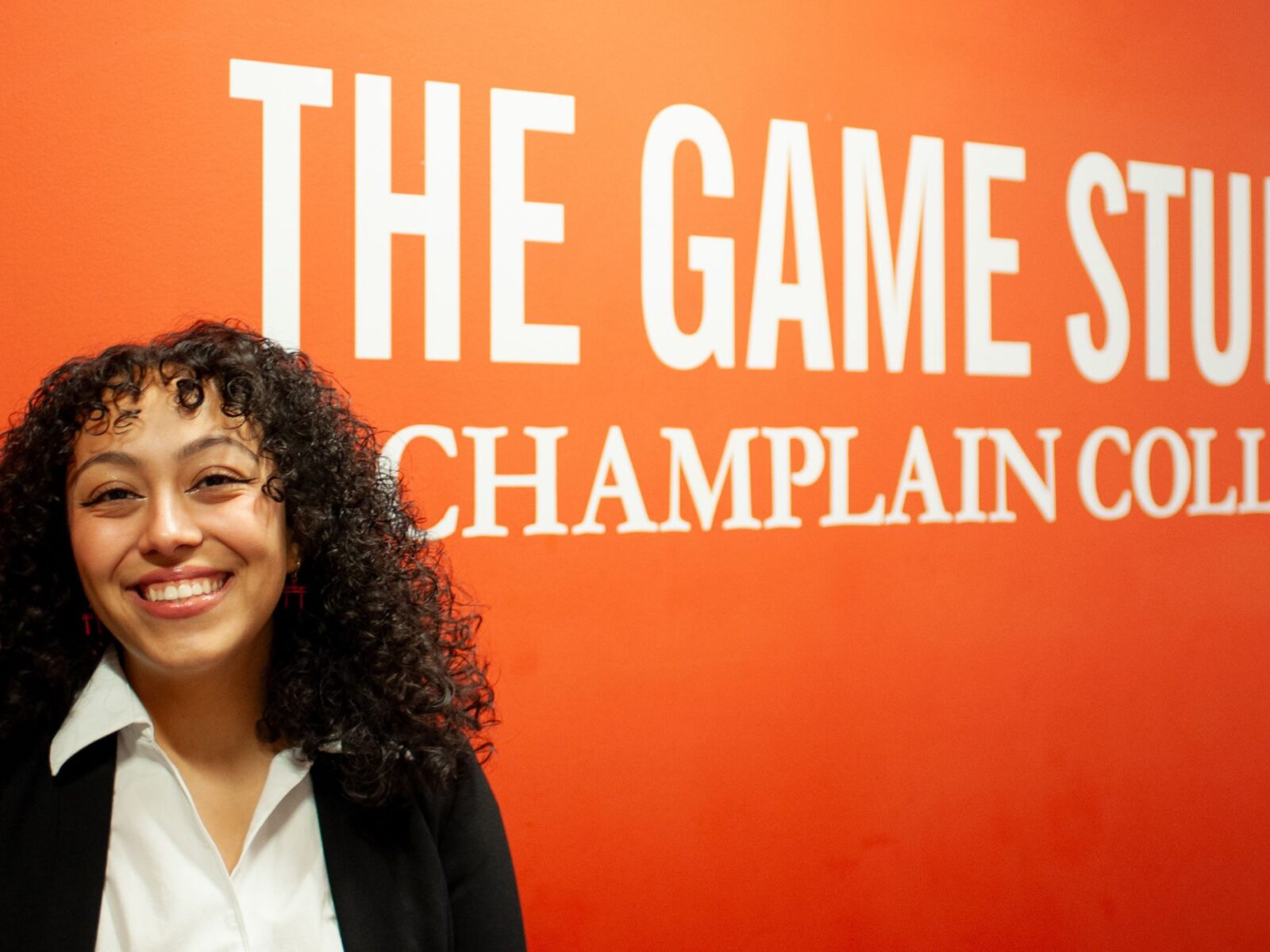
“For as long as I can remember, my goal has been to move to Japan and create video games. After years of hard work, late nights, and passion, that dream is now reality. I am here as living proof that hard work does pay off!”
—Zoë Campos ’25, WonderWall Co.
Learn more about ZoëRelated Articles
-
January 23, 2026Top Game Development Skills Employers Look For (and How to Build Them)

-
January 23, 2026What Does a Game Designer Do? Roles, Responsibilities, and Career Paths

-
January 23, 2026Game Design vs. Game Development: Key Differences Explained

-
February 4, 2026How to Build a Game Design Portfolio

How Champlain College’s Game Design Degree Can Help
The right education can really help you get your foot in the door in game design, and Champlain College’s Bachelor of Science in Game Design is an excellent starting point for those interested in this path.
In this four-year program, students enjoy numerous opportunities for hands-on learning in our innovative Game Studio Experience, where they can sharpen their skills, build a professional portfolio, and learn how to collaborate with others as part of a team. This, combined with personalized guidance from our experienced faculty, staff, and internship support, prepares students for the challenges and opportunities of working in real indie and triple-A studio environments.
How to Become a Video Game Designer: Frequently Asked Questions
Do I need to be a skilled programmer to pursue a career in game design?
Not necessarily; while some programming knowledge could help you pivot into different roles within the video game industry, game designers are typically less focused on programming/coding and more focused on creative vision.
What salary can I expect as a video game designer?
While many factors may affect the salary of a video game designer (including location and level of experience), Payscale.com lists the average base salary for a video game designer in the United States as $71,557 per year.
What kinds of studios hire game designers?
Video game designers are in demand across all studio sizes, from smaller indie studies to large triple-A studios. In some cases, mobile game companies and even technology/consulting firms may hire game designers for niche projects.
Is Game Design the Right Career for You?
Working as a game designer can be extremely fulfilling, especially for those who are passionate about the video game industry and strive to take the player experience to new heights.
Ready to embark on your journey as a game designer? Get in touch to learn more about our B.S. in Game Design at Champlain College today, explore any of our other related degree programs within the Game Studio, or apply now!
Looking for more information about Champlain College? Start here!
Fill out the form to receive helpful information!