Top Game Development Skills Employers Look For (and How to Build Them)
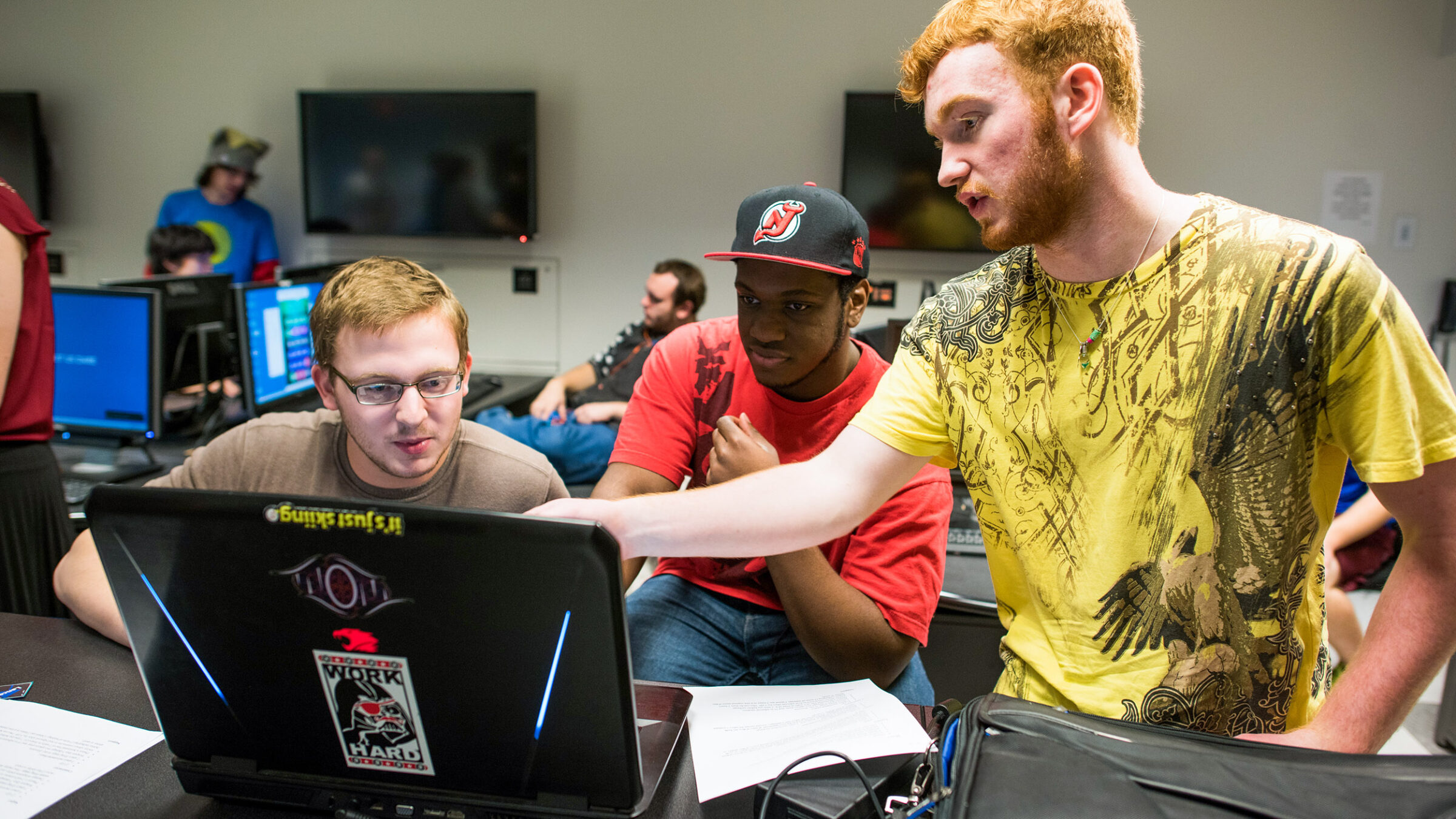
With global revenues estimated at $182.7 billion in 2024, the video game industry has demonstrated healthy growth over the years. If you’re interested in turning your own passion for gaming into a rewarding career, then you may want to explore the essential role of the game designer.
Why Video Game Development Skills Matter
In today’s industry, it’s not enough for game designers to have technical expertise alone. As the intersection of art, technology, and storytelling, modern video game design requires a synthesis of both technical skills (including knowledge and software proficiency) and interdisciplinary skills (such as teamwork and communication).
Essential Video Game Development Skills Employers Value
So, what are some of the most essential skills you should focus on if you want to get into game design?
1. Systems and Gameplay Design
A comprehensive knowledge of gameplay design and components like user interface (UI), user experience (UX), and scripting can go a long way in the gaming industry.
- Why it matters: When game designers demonstrate proficiency in systems and gameplay design, they can work effectively with other team members while creating fun gaming experiences for players.
- How to build it: Get to know how other games have found success with different audiences. (Yes, we’re telling you to play more video games!)
2. Problem-Solving and Critical Thinking
Working as a game designer calls for extensive problem-solving and critical thinking skills.
- Why it matters: Glitches and other issues creep up persistently as games are being developed. Thus, designers must be able to think creatively and problem-solve to overcome obstacles and keep projects on track.
- How to build it: Practice playtesting and troubleshooting in real-world settings as much as possible.
3. Knowledge of Player Psychology
Game designers also need to know how gamers think, feel, and act in different environments to do their own jobs well.
- Why it matters: When you put yourself in the shoes of your gamers, you can refine your designs to maximize engagement and playability.
- How to build it: Familiarize yourself with common intrinsic and extrinsic motivations for gaming, including your own. This entails learning the basics of audience segmentation and data analysis.
4. Creativity and Imagination
Creative thinking and a strong imagination are among the most valuable skills for any game designer.
- Why it matters: Being able to think creatively and tap into your imagination will help you build immersive, engaging, and truly one-of-a-kind gaming worlds that players love.
- How to build it: Seek out inspiration in the real world, drawing from not just your favorite video games but also other art forms.
5. Proficiency in Game Engines (Unity, Unreal Engine)
Knowing the ins and outs of industry-standard game engines (such as Unreal Engine and Unity) is a key consideration for many employers hiring game designers.
- Why it matters: Game engines provide the frameworks that designers and developers need to turn ideas into functioning games — so knowing how to leverage their features is key.
- How to build it: Experiment and familiarize yourself with the most commonly used game engines in the industry, following tutorials and guides when needed. While there’s nothing inherently wrong with self-teaching game engines, keep in mind that many lack formal documentation — so you’ll probably be working with unofficial sources that haven’t been fact-checked if you go this route. Consider enrolling in a formal degree program that teaches the most commonly used game engines.
6. Programming Fundamentals
Video game developers rely on programming languages (like C++ and C#) to build games from scratch.
- Why it matters: Even though game designers aren’t expected to be professional coders, they still need to know some programming basics to design prototypes and work effectively with multidisciplinary teams.
- How to build it: A formal education is the best way to build programming skills, although online tutorials and bootcamps can be another way to gain supplemental practice.

“People are ready for any experience that will help them build up their portfolio so they can say, ‘I worked on this game, my name’s in the credit for this game.’ The more games you have under your belt, the higher the chances you have of getting a job in the industry.”
—Jenny Caplan ’22, founder Wee Tattie Studios
Learn more about Caplan’s road to launched her own indie studio.7. Visual and Artistic Understanding
A solid understanding of visual and artistic components on behalf of a game designer can make all the difference in a game concept’s success.
- Why it matters: With visual and artistic knowledge, game designers can create more immersive worlds that captivate and engage their audiences while collaborating with teams to bring characters and storylines to life.
- How to build it: While playing video games, make note of the aesthetic styles and art asset choices made. In doing so, you’ll gain a better understanding of different styles and why they’re so integral to a game’s success.
8. Collaboration and Teamwork
Game designers don’t work entirely on their own; they must be able to collaborate effectively with other team members — including programmers, developers, graphic design experts, and more.
- Why it matters: Maintaining a strong team mentality in your work can keep projects moving smoothly and yield better results.
- How to build it: A formal degree program will provide you with invaluable experience collaborating on group projects. You could also gain experience by taking part in organized game jams in your free time.
9. Project Management and Organization
Game designers should work to form strong Agile project management skills, whether they’re in entry-level positions, leadership roles, or anywhere in between.
- Why it matters: Video games are huge projects with many moving parts, so designers must understand their roles and fulfill their responsibilities to keep things on-task.
- How to build it: Sharpen your leadership skills and gain real-world practice with independent games and similar projects where you can take the lead. Study principles of Agile project management and incorporate them into your own approach.
10. Adaptability and Continuous Learning
The gaming industry is anything but static, so being ready to adapt and learn new skills is a must.
- Why it matters: As new gaming trends and technologies emerge, game designers need to be prepared if they want to remain relevant.
- How to build it: Stay on top of upcoming trends by subscribing to reputable industry news sources, and be open to learning new skills as needed.
Emerging Skills in Game Design
As the video game industry evolves and new technologies emerge, video game designers must remain adaptable and ready to acquire new skills to stay relevant. Some examples of up-and-coming technologies game designers should prepare to work with include:
- Artificial Intelligence (AI), including machine learning (ML) that can be used to optimize entire design and development processes. Notably, this is not the same as large language model (LLM) AI, which still has limited applications due to significant rates of hallucination and inaccurate data creation.
- Cross-Platform Design to meet the demand for multiplayer games that can be played across different gaming consoles.
How to Build Video Game Development Skills
Now that you have a firmer grasp of the kinds of skills that matter most in the world of video game design, you might wonder how to develop those essential skills. Fortunately, there are plenty of practical ways to sharpen your technical skills and core competencies as you prepare to enter the field.
Formal Education
The most reliable path to gaining career-ready skills as an aspiring game designer is to complete a formal degree program in game design, video game development, or a related field. In fact, according to research by the International Game Developers Association (IGDA), an estimated 80% of gaming industry professionals hold a college degree.
More specifically, a structured degree program like Champlain College’s Bachelor of Science (BS) in Game Design offers the coursework, hands-on experience, and networking opportunities necessary to build career-ready skills.
Personal Projects
You’ve heard the saying that “practice makes perfect,” and that certainly rings true in video game design as well. The best way to practice and improve the skills you’ll need as a video game designer? Take the initiative to work on your independent projects. This may entail building your own prototypes, game mods, or even entire indie games. From there, you can both develop critical skills as well as add more pieces to your portfolio.
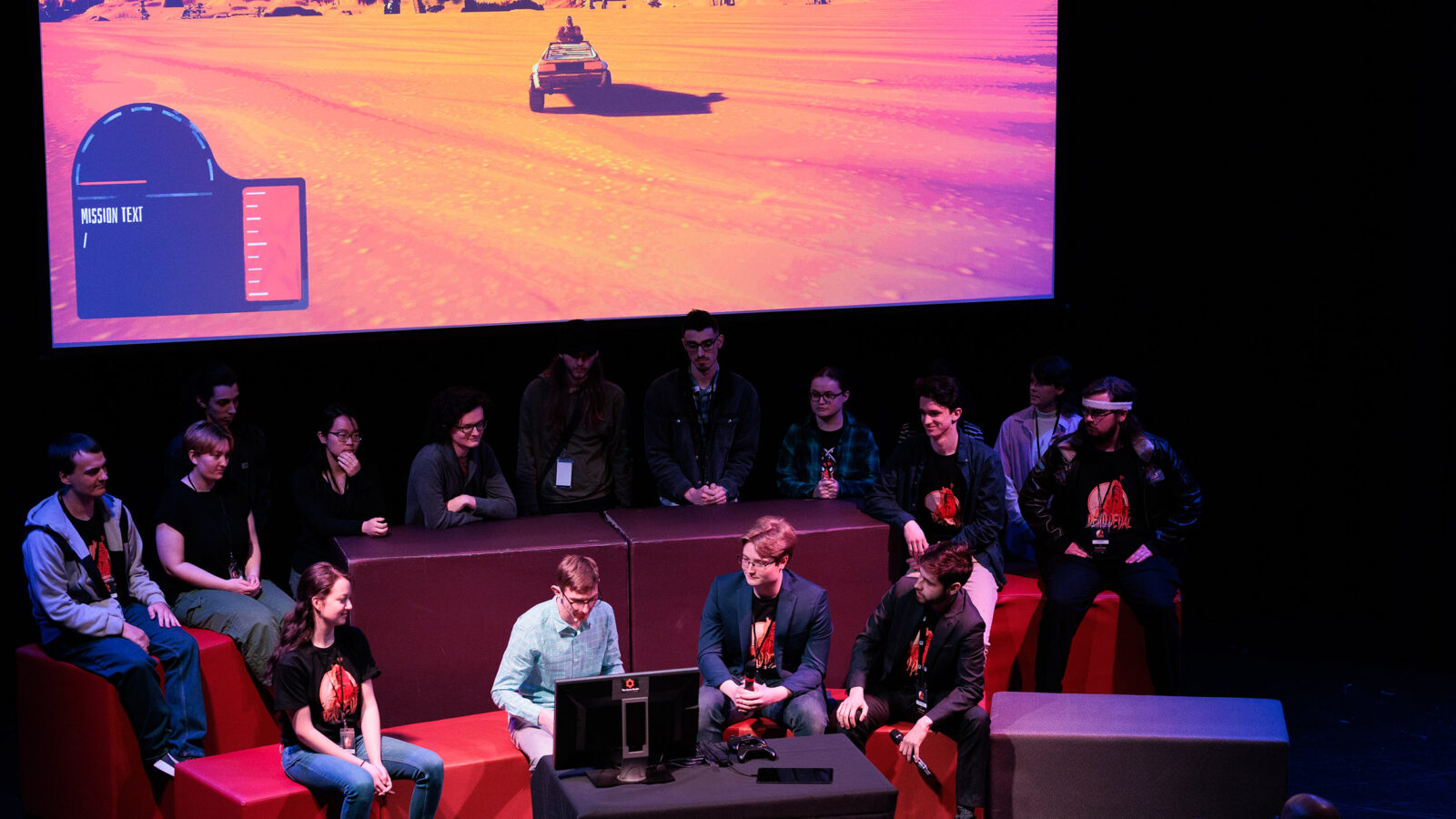
In Champlain College’s game design program, students also get to participate in the Game Studio Experience: a learning environment that’s modeled after real industry game studios. Here, learners gain a better understanding of the game production pipeline while working on real projects and building fully functional games.
The Game Studio is modeled from real world situations where you work on a team with diverse skills and create video games that you really enjoy. You also get to play them in the classroom or with your friends in their dorm. I’ve played mine, of course, but I’ve definitely played some other students’ games and tried to see how they accomplished their goals.

Game Jams
Looking for a fun way to put your game design skills to use while learning how to collaborate and work with others? Consider getting involved in organized game jams — events where designers and other game developers, like programmers, game artists, and sound professionals, work to create a video game from scratch, often in just a matter of days.
Aside from presenting an excellent networking opportunity, these events offer an outlet to gain experience working under deadlines and with multidisciplinary teams. Not sure where to begin? Check out the annual Global Game Jam, which typically takes place between January and February.
Networking
In game design (as in many other careers), moving your way up the proverbial ladder is just as much about who you know as what you know. As an aspiring game designer, it’s never too early to begin building your professional network. Even while you’re in school, you can set up a LinkedIn profile and begin connecting with other game designers and developers across the globe. Discord groups can also be a great source of new connections, where you can freely share ideas and even participate in exciting projects.
Consider joining professional organizations or student organizations at your school and attending their networking events throughout the year. Some options to consider include:
- The GDC Festival of Gaming
- International Game Developers Association (IGDA)
- Entertainment Software Association (ESA)
- Indie Game Developer Network (IGDN)
At Champlain College, students are encouraged to network with peers and faculty; meanwhile, the school sends a cohort of students to the Game Developers Conference, the world’s largest industry event in San Francisco, each year for professional development and networking opportunities.

“As a producer who also is interested in running a studio of my own, I attended talks [at GDC] that had to do with getting funding for a studio, navigating the business and marketing side of the video game industry, and utilizing community management to grow a playerbase for a game.”
—Evan Gartner ’25, Game Production Management
Learn more about Gartner's experience at GDCInternships
An ideal way to gain experience in the world of game design is to secure an internship in the field. In certain cases, internships may be offered as part of a formal degree program, whereas others may be pursued independently during your studies or even after you earn your degree.
Regardless, completing an internship at a game design/development company can help you gain valuable, real-world experience in a studio setting while building professional connections and credibility. At Champlain College, we’re committed to helping students find internship experiences that align with their professional goals and allow them to build industry connections.
FAQs About Video Game Design Skills
What are the most important video game design skills?
Some of the most important skills to have as a video game designer include knowledge of systems and gameplay design, problem-solving and critical thinking skills, and an understanding of player psychology.
Do I need to know programming to be a game designer?
While you don’t need to be a programming guru, being able to at least write fundamental functions in C# and C++ is essential when it comes to designing, testing, and iterating as a game designer.
How can I showcase my video game design skills to employers?
The best way to demonstrate your skills to potential employers in the gaming industry is to be able to showcase a playable game that you have actually made. Additionally, as part of an interview process, you may be expected to complete a design test (usually in the form of a whiteboard exam). Having a strong resume and online presence (e.g., a personal website or LinkedIn profile) may also help employers better understand what you bring to the table as a game designer.
Related Articles
-
January 23, 2026How to Become a Game Designer: Your Guide to a Career in Game Design

-
January 23, 2026What Does a Game Designer Do? Roles, Responsibilities, and Career Paths

-
January 23, 2026Game Design vs. Game Development: Key Differences Explained

-
February 4, 2026How to Build a Game Design Portfolio

Break Into the World of Game Design
Clearly, becoming a game designer requires a great deal of technical expertise and a wide range of core competencies that can be developed both inside and outside the classroom.
Ready to take the next step toward formal education in game design? At Champlain College, our undergraduate degree program in Game Design offers the career-ready curriculum today’s aspiring game designers need to build essential skills and prepare for the challenges and opportunities of this competitive industry. Drop us a line to learn more or start your application today.
Looking for more information about Champlain College? Start here!
Fill out the form to receive helpful information!
Author

More Inside The View
Ideas
From the minds of our students, faculty, and alumni.
News
The latest from Champlain College.
People
Champlain is more than just a place; it's a community.
Places
On campus, in Burlington, and beyond.
Events
Check out our many campus events and get involved! Refine your search by using the filters or monthly view options.