What Is Digital Forensics? Definition and Applications
In an ever-connected world, digital evidence often proves pivotal in the investigation and prosecution of cybercrime, corporate investigations, and other legal cases worldwide. According to the National Institutes of Health (NIH), digital evidence is now a factor in approximately 90% of criminal cases.
With a firmer grasp of what the field of digital forensics entails and its growing applications, you can be better equipped to decide whether this path may be right for you.
Definition and Applications of Digital Forensics

Definition of Digital Forensics
What is digital forensics, anyway?
In simplest terms, digital forensics covers the collection, preservation, analysis, and presentation of digital evidence — most frequently for the purposes of legal proceedings. Compared to its application in information technology (IT) and cybersecurity, evidence obtained through digital forensics must be admissible in court and may be used in criminal investigations or litigation.
History of Digital Forensics
The origins of digital forensics as we know it today can be traced back to the 1970s and 1980s, when the groundwork for early “computer forensics” was laid. During this period, there existed no formal training, and many so-called specialists at the time were law enforcement officers who were also computer hobbyists.
By the 1990s, when personal computers were increasingly common, many police departments across the country witnessed the creation of the first specialized computer crime and internet-related crime units. This period marked the release of some early forensic tools, too, such as Encase and FTK.
As people in the 2000s began to use more connected devices (including mobile devices), the term “computer forensics” gradually evolved into “digital forensics.” Currently, this field continues to expand through the development of professional standards, certifications, and new challenges ranging from cryptocurrency to artificial intelligence (AI) and the Internet of Things (IoT).
Why Digital Forensics Matters
Digital forensics is arguably more important than ever, especially considering such factors as:
- The rapid rise of cybercrime, both in frequency and the size/scale of attacks. According to the World Economic Forum, between 2021 and 2025, “The global average number of weekly attacks encountered by organizations grew by 58%.”
- Legal compliance issues surrounding digital data privacy/protection across a wide range of industries, including the Health Insurance Portability and Accountability Act (HIPAA) in healthcare and the Gramm-Leach-Bliley Act (GLBA) in finance.
- Corporate security concerns, particularly as they relate to consumer data. Equifax, for example, experienced an unprecedented data breach in 2017 — exposing the sensitive financial data of approximately 147 million consumers.
- National security concerns, as cyberattacks pose a growing threat to critical infrastructure.

Types of Digital Forensics
Digital forensics is a broad field encompassing various niches.
1. Computer Forensics
This branch of digital forensics centers on evidence obtained from desktop computers, laptops, and physical servers. Common strategies range from file recovery and malware analysis to activity tracing.
2. Mobile Device Forensics
On the other hand, this area of digital forensics looks specifically at mobile devices. In addition to smartphones, evidence may be collected from tablets and wearables (including smartwatches) in the form of GPS coordinates, text messages, and application data.
3. Network Forensics
In the realm of network forensics, experts closely examine network traffic and data packets to identify signs of cyber threats. Examples of these threats may range from distributed denial-of-service (DDoS) attacks to data theft and intrusions.
4. Cloud Forensics
As more users rely on cloud storage, the need for cloud forensics experts increases as well. This branch of digital forensics deals with the investigation of data stored and processed on distributed cloud systems — and this area can become especially complex as jurisdictional and legal nuances come into play.
5. Database Forensics
Under database forensics, specialists recover and analyze data (including structured metadata) from databases, often in an attempt to pinpoint fraudulent activity or signs of data manipulation.
6. Memory (RAM) Forensics
Using memory or RAM forensics, experts can capture volatile data (including encryption keys, running processes, and malware) to effectively uncover evidence that may not be accessible on other parts of a system.
7. AI/Media Forensics
An emerging subspecialty, media forensics involves authenticating digital images and videos, detecting manipulation, and investigating AI-generated content such as deepfakes. With the rise of AI-generated misinformation and non-consensual intimate imagery, this branch addresses some of the most pressing digital threats facing society today.
Every major investigation today has a digital component. The murder case has text messages and location data. The corporate theft involves cloud storage and email. The fraud scheme uses cryptocurrency and fake websites. Digital forensics isn’t a specialty anymore, it’s fundamental to modern investigation. Our students learn to reconstruct what happened from digital traces that criminals thought they’d erased, find evidence across devices and platforms, and present technical findings in ways judges and juries can understand. These skills are what close cases and convict criminals in the 21st century.


The Digital Forensics Process
While the exact process for discovering evidence can vary depending on the type of digital forensics, the general process looks something like this:
- Preparation of evidence sources (mobile devices, computers, laptops, network data, etc.).
- Identification of relevant digital evidence based on the defined scope of the investigation.
- Preservation and protection of any evidence that has been collected to prevent any tampering or loss.
- Collection, which entails careful data extraction using specialized forensic tools.
- Examination and analysis, which may include recovering/decrypting data and reconstructing timelines.
- Documentation and reporting to ensure everything is properly recorded and that the chain of custody is well documented.
- Presentation of evidence/findings, often in the form of a written report in preparation for a court hearing.
Applications of Digital Forensics
Today, digital forensics is relevant to a wide range of practical applications, from civil litigation to criminal investigation and beyond.
Law Enforcement and Criminal Investigations
In some scenarios, digital forensics techniques can be leveraged to carry out criminal investigations. For example, a digital forensic analyst may recover deleted messages or files while investigating a fraud, homicide, or organized crime case. Likewise, digital forensics may help link suspects to digital devices through metadata and user activity logs — possibly even going so far as to trace illicit online marketplace activity and financial transactions.
Cybersecurity and Incident Response
In the wake of a cyberattack, digital forensics methods can also help identify how threat actors gained access to a system and prevent future attacks from happening. In other cases, digital forensics may help contain and mitigate data breaches as they occur or analyze malware behavior.
Corporate Investigations
In corporate investigations, digital forensics techniques may uncover insider threats, data theft, or employee misconduct that could cost a company millions. When it comes time for compliance audits, forensics tools might also assist human resources teams in identifying potential areas of concern. It may even be possible to use digital forensics as a means of resolving intellectual property disputes.
Civil Litigation
In the realm of civil litigation, digital forensics expertise may prove invaluable for investigators who need to provide evidence in cases involving contracts, employment disputes, or even divorce proceedings. This can be done, for example, by authenticating electronic communications and records in a civil investigation.
National Security and Intelligence
Digital forensic techniques may be effective in thwarting national security threats — as evidenced by the ability of forensics specialists to track terrorist networks through digital communications and take proactive measures to mitigate state-sponsored attacks. Additionally, digital forensics can assist in investigating cases of cyber espionage while securing critical government systems from internal and external threats.
Related Articles
-
January 22, 2026What Does a Digital Forensics Investigator Do?

-
January 22, 2026Is Computer Forensics the Same as Digital Forensics?

-
February 6, 2026What Can You Do With a Degree in Digital Forensics? Career Paths to Explore

-
February 6, 2026How to Get Into Digital Forensics: Education, Skills, and Career Paths

Tools and Techniques in Digital Forensics
Digital forensics specialists rely on a number of tools, technologies, and techniques to carry out their work, including:
- EnCase, FTK, Cellebrite, and similar data acquisition and analysis tools.
- Wireshark, Volatility, and Autopsy tools for analyzing network packets, investigating RAM data, and securing other evidence.
- File carving, or the process of extracting files from raw header and footer data rather than metadata alone.
- Registry analysis, or the examination of a system’s databases to reveal user activity and other evidence.
- Memory capture, or the process of taking a proverbial snapshot of a device’s RAM at any given time for evidence preservation purposes.
- Timeline reconstruction, which involves recreating the chronological order of activities or events in a system.
Careers in Digital Forensics
Interested in a career in digital forensics? Potential roles to explore include:
- Digital Forensic Analyst – Work with law enforcement to recover and analyze evidence
- Incident Response Specialist – Focus on cybersecurity breaches
- Forensic Consultant – Advise corporations and law firms on investigations
- Cybercrime Investigator – Specialize in online fraud, identity theft, or hacking
- eDiscovery Specialist – Manage electronic data for legal cases
The Other Side of the Cybersecurity Coin
While we do our best to protect our devices and digital information from bad actors and malware, sometimes an incident might still catch us off guard. But how? That’s where digital forensics comes in.
Digital Forensics & Cybersecurity ExplainedSkills Needed for Digital Forensics Professionals
Before you can break into the field of digital forensics, you’ll want to build a range of technical skills and competencies.
Technical Digital Forensics Skills
On the technical side, digital forensics professionals need to have proficiency in:
- Operating systems
- Networks and databases
- Commonly used forensic tools
Digital Forensics Legal Skills
Because evidence from digital forensics investigations is often used in court, professionals in this field must also understand chain of custody requirements as well as courtroom testimony and procedures.
Core Competencies in Digital Forensics
Less technical (yet still necessary) competencies in digital forensics include:
- Analytical thinking
- Strategic problem-solving
- Attention to detail
- Written and verbal communication
How to Start a Career in Digital Forensics
A formal education in digital forensics, computer science, or a related field can present the opportunity to build practical, career-ready skills while gaining valuable hands-on experience in the process. Champlain College is proud to offer a Bachelor of Science in Digital Forensics program that covers essential topics such as cybersecurity, mobile device analysis, cyber defense, and threat hunting.
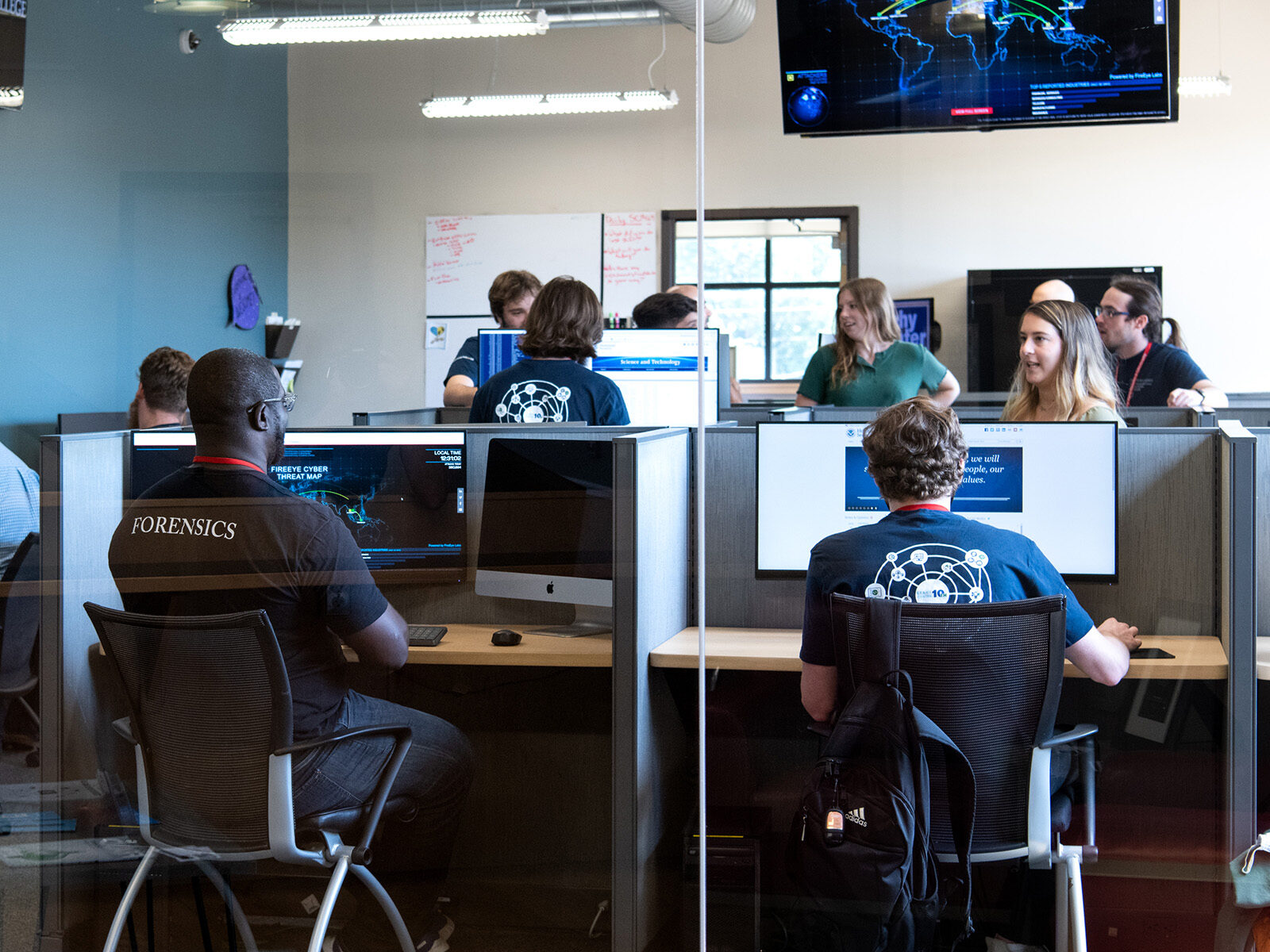
Through Champlain’s career-focused curriculum, students can develop the technical proficiency, legal skills, and key competencies necessary to pursue digital forensics roles in criminal investigation, incident response, corporate investigation, and beyond. Plus, as a designated National Center of Academic Excellence in Cyber Defense and Digital Forensics, students can enroll with additional peace of mind and confidence. Students also have the unique opportunity to gain hands-on experience through the Leahy Center for Digital Forensics & Cybersecurity, one of the nation’s most advanced student-run security operations and research facilities.
Digital Forensics Frequently Asked Questions
What is digital forensics used for?
Evidence uncovered through digital forensics can be used in various contexts, ranging from criminal investigations and civil litigation to national security defense and incident response.
What are examples of digital forensics?
Some examples of the many types of digital forensics include computer forensics, mobile device forensics, network forensics, and RAM/memory forensics.
What are the main steps in digital forensics?
Most digital forensic investigations begin by preparing and identifying evidence sources. From there, evidence is collected and preserved, examined, analyzed, documented, and presented in court or another official setting.
Is digital forensics a good career?
If you enjoy problem-solving and critical thinking, have a strong attention to detail, and want to make a positive difference in the lives of others, then a career in digital forensics can be an excellent choice.
Interested in Learning More About Digital Forensics?
Could a career in digital forensics be suitable for you? Whether you’re interested in investigating computers, mobile devices, cloud-based servers, or any other niche, the right education is critical. At Champlain College, digital forensics students gain practical experience in a learning lab recognized by the U.S. Department of Defense (DoD) while working on real cases for the Department of Justice, DoD, and Secret Service.
Get in touch to learn more about our nationally recognized Bachelor of Science in Digital Forensics program, or take the next step and apply today.
Looking for more information about Champlain College? Start here!
Fill out the form to receive helpful information!
Author



More Inside The View
Ideas
From the minds of our students, faculty, and alumni.
News
The latest from Champlain College.
People
Champlain is more than just a place; it's a community.
Places
On campus, in Burlington, and beyond.
Events
Check out our many campus events and get involved! Refine your search by using the filters or monthly view options.