
People are complicated — and psychology is there to figure out why.
When most people hear “psychology,” they picture a therapist’s office and a couch. But psychology is also that moment after wondering why a TV show stressed you out that much, or why a movie made you ugly cry when you weren’t expecting to have that reaction. That impulse to understand your own reaction is a type of psychology, too.
The field stretches far beyond counseling and Rorschach tests alone. You’ll see it in marketing, criminal justice, game design, technology, and beyond. At its core, psychology is about something deeply human: our need to understand ourselves and the people we love. That question turns out to matter almost everywhere. Some of these types you’ll recognize immediately, while others might surprise you, but either way, the field is broader than most people expect.
13 Different Types of Psychology

What Is Psychology
Psychology is the scientific study of mind and behavior. At its core, the field has four interconnected goals: to describe, explain, predict, and change behavior and mental processes. In other words, psychology wants to understand how people think, why they make the decisions they do, what influences them, and how their feelings drive their actions, and use that understanding to make things better.
Psychology is relevant to nearly every career field, and is applied in the real world in ways as small as a button color and as large as the right advice to a person in need.
I think human beings want to understand themselves and the people that they love. And I think that’s what makes psychology necessary. We’re just fascinated by why people do what they do.
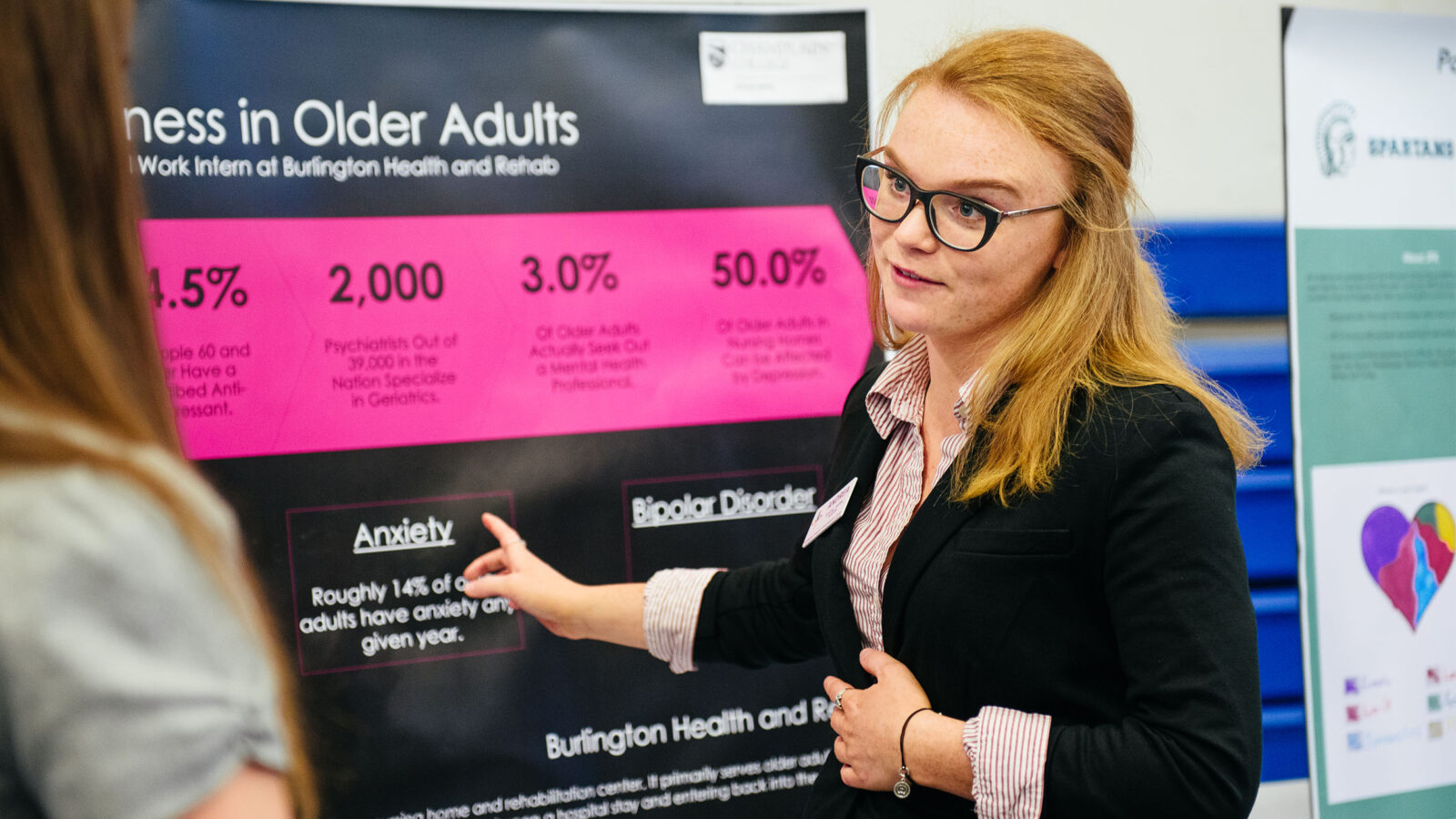
13 Fields of Psychology
How psychology does all of that depends on which field you’re looking at — and psychology has a lot of fields. Below are some of the most well-known and widely applied.
Clinical Psychology
When people picture psychology, clinical psychology is often the first to come to mind. Clinical psychologists focus on understanding, diagnosing, and treating mental health concerns and conditions. They’re trained in a wide range of approaches, including trauma, crisis intervention, and understanding the connection between the brain and the body. What works for one person won’t always work for another, so it’s vital to have a wide array of knowledge.
Counseling Psychology
Within a similar realm to clinical psychology is counseling psychology — and it’s easy to confuse the two. What separates these two specialties, however, is their focus and scope. Clinical psychology tends to lean more towards diagnosing and treating complex mental health conditions, whereas counseling psychology is more broadly focused on helping individuals through transitions and emotional difficulties throughout life.
Counseling psychologists are often stationed in universities, community mental health centers, healthcare facilities, or their own private practices. They often work with individuals who may not qualify for a diagnosis but require support for growth, the development of coping mechanisms, and the pursuit of fulfilling lives.
Behavioral Psychology
Behavioral psychology takes a scientific approach to understanding how behaviors are reinforced and shaped by a person’s environment.
Consider Pavlov’s dog-and-bell experiment: the dog salivates when hearing a bell because of the association between the ringing and food. That behavior (salivating) is a classic example of what behavioral psychology researches. Behavioralists study why a behavior happens and track data based on their findings.
Behaviorists are often stationed in schools to assist with neurodivergence or other emotional disabilities, work in clinics or hospitals, or work in veterinary and animal care settings to modify pet behaviors, like separation anxiety or aggression.
Biopsychology
Biopsychology takes a deeper look at the genetics and physiological processes that shape our behavior — in other words, the relationship between the mental and physical worlds. It studies how injuries, illnesses, and other genetic factors can change brain function. For example, biopsychologists might study the effects of a concussion or head injury, or the long-term impact of chronic illnesses like Alzheimer’s disease. With its roots in biology and chemistry, the field appears in research labs, hospital settings, treatment facilities, and pharmaceutical companies.
Consumer & Marketing Psychology
Consumer and marketing psychology adds an additional layer of marketing and business experience within a psychology focus. These fields of psychology focus on how purchases are made and which subconscious influences — thoughts, behaviors, and beliefs — shape those decisions.
Consumer psychology is the science behind these decisions, while marketing psychology is the execution of utilizing consumer psychology. They work together and rely on each other’s knowledge and research.
Another area explored in these fields is how social media and influencers (or even AI) can “sell” a product. It’s more important than ever for psychologists to study the intersection of the brain, consumerism, and emerging AI tools, and the psychological effects of using them.
Criminal and Forensic Psychology
Forensic and criminal psychology are two sides of the same coin. Forensic psychology focuses on the aftermath of a crime and the legal procedures surrounding it, such as selecting a jury, evaluating whether someone is fit to stand trial, or assessing reoffending risk.
Meanwhile, criminal psychology looks into why a crime occurred and the mental processes and intentions behind breaking the law. This is more focused on the offender’s mind and the intersection of motive, personal background, and psychological factors that drive a crime.

Cognitive Psychology
Cognitive psychology is the study of how the mind gathers and processes information. You’ll find studies on how memories are formed, what drives us to make decisions, and what happens if those processes break down, as well as memory, attention, language, perception, and problem-solving skills.
Cognitive psychologists can work in UI/UX, mental health treatment, and the study of artificial intelligence.
Developmental Psychology
When someone says, “I’m not the same person you met 5 years ago,” they’re making a factually true statement. The mind is always changing throughout a person’s life, and developmental psychology studies how the brain changes across those different life stages.
Throughout life, developmental psychologists study changes in your moral compass/reasoning, memory, imagination, motor skills, problem-solving, and socioemotional development.
Careers for a developmental psychologist include working at universities, in elderly care facilities, or with children who have developmental disorders.


Industrial-Organizational (I/O) Psychology
Industrial and organizational psychology is the study of workplace behavior. From recruitment processes to workplace dynamics and well-being, this field focuses on how workplaces can be improved and create better environments for their workers.
These psychologists focus on studying how management styles and team dynamics shape morale, coach executives to lead teams effectively, and help manage mergers and shift scheduling.
Human Factors & Engineering Psychology
You might see the field of human factors and engineering psychology called different things depending on where you encounter it — ergonomics tends to show up in workplace and physical design contexts, human factors engineering leans into the systems and product design side, and human factors psychology is the more academic framing. They’re all describing the same core idea from slightly different angles.
In practice, this field shows up everywhere: aviation, healthcare, military systems, consumer product design, and increasingly, digital interfaces. Which brings us to one of its most visible modern applications: UX/UI design, and the psychology of why you click on this button instead of that one.
Existential Psychology
There are four givens that we all grapple with at some point in our lives: death, meaninglessness, freedom & responsibility, and isolation. Existential psychology intertwines confronting these fundamental realities with the search for personal responsibility and freedom.
They’re something every person faces at some point in their lives — maybe not all four, but at least one. These internal conflicts individuals experience cannot be changed, but they can be dealt with in a healthy way. While existential psychology doesn’t promise to find the meaning of life, it does help ask questions about depression, anxiety, and other dissatisfactions, while combining a range of approaches of existentialism, feminism, postmodernism, and constructivism. Existential psychologists draw on philosophical approaches and apply them in their work.
Health Psychology
Ever hear the phrase “stress is a silent killer”? Health psychology backs that up; there’s a real, measurable connection between stress and our bodies. Health psychologists study how health and illness are shaped by the intersection of biological, physiological, and social factors. Psychologists in this field then use this knowledge to focus on disease prevention, promoting healthy living, and helping patients manage chronic medical conditions.
Psychology is a broad field, and this list only scratches the surface. But it’s a starting point, and sometimes, that’s all you need to figure out where you want to go next.
Psychology Degree Options — BA vs. BS
Choosing between a Bachelor of Arts and a Bachelor of Science in Psychology comes down to one question: what do you want to do with it?
Champlain’s BS in Psychology is designed for students headed toward graduate school, research, or clinical and counseling careers. The BA is built for students who want to apply psychology in a different direction — think marketing, consumer behavior, criminology, or organizational work — without the graduate school-focused research and statistics requirements.
Both degrees share the same foundational coursework, so you’ll be in the same classes as your peers until your paths diverge during the research-related courses. And if you’re not sure which direction you’re headed yet, there’s room to figure that out along the way.
Why Study Psychology?
Psychology bridges the gap between understanding yourself and understanding others.
These skills are more valuable now than ever, especially with the rise of artificial intelligence and self-diagnosing. Not only are people searching for mental health information, diagnoses, and resources, but some have even formed parasocial relationships with AI models and chatbots.
Psychology also gives you essential communication skills for workplace environments. In fact, 93% of employers believe that soft skills play a critical role in hiring decisions, with communication being at the top. You’ll be able to interpret non-verbal cues, actively listen, and present information clearly to others.
There are many different types of psychology, which means careers in psychology are flexible too — you’ll have plenty of different avenues to explore during your time studying in the psychology field.
Frequently Asked Questions
-
What’s the difference between a psychologist and a psychiatrist?
Psychologists take a behavioral approach, focusing on talk therapy to get to the root of the problems, while psychiatrists take a more medical approach and can prescribe medication — psychologists will often refer clients to them when needed. In most cases, a combined treatment approach from both a psychologist and a psychiatrist is helpful for supporting and monitoring whether a medication is doing what it should and helping the patient.
-
What’s the difference between human factors psychology and design psychology?
While both fields study how people interact with the world, human factors psychology focuses on physical and cognitive functions, safety, and efficiency. Design psychology, which is usually tied to emotional design, focuses on aesthetics, emotional resonance, and how a product’s appearance shapes user behavior.
-
Which fields of psychology focus on research vs. clinical practice?
While many fields intersect and you can have career options in either research or clinical practices, some lean more towards one path. Some examples include:
- CLINICAL: Clinical psychology, counseling psychology, and behavioral psychology.
- RESEARCH: Developmental psychology, cognitive psychology, social psychology.
Study the Complex with Champlain College
The brain is incredibly complex, which makes studying it a complicated task too. Psychology, no matter which route you choose, is multifaceted and important work. Understanding why we behave the way we do, and the processes behind it, is integral to every aspect of work, roles, and technology.
Our Psychology Degree at Champlain understands that, and blends complexity, research, and multidisciplinary applications into our curriculum. Research how the brain functions in an ethical, hands-on way — whether your goal is applying that knowledge to your interests or other work fields, or continuing on to graduate school.
Counseling Psychology
Within a similar realm to clinical psychology is counseling psychology — and it’s easy to confuse the two. What separates these two specialties, however, is their focus and scope. Clinical psychology tends to lean more towards diagnosing and treating complex mental health conditions, whereas counseling psychology is more broadly focused on helping individuals through transitions and emotional difficulties throughout life.
Counseling psychologists are often stationed in universities, community mental health centers, healthcare facilities, or their own private practices. They often work with individuals who may not qualify for a diagnosis but require support for growth, the development of coping mechanisms, and the pursuit of fulfilling lives.
Psychology Careers Start Here
Fill out the form below to receive more information about our Psychology degree program.



Social Psychology
The field of social psychology studies how an individual’s thoughts, feelings, and behaviors are influenced by others (either implied or imagined).
Social Psychologists study how attitudes are formed, changed, and how they drive society and human behavior. They also examine the roots of discrimination and prejudice, analyzing how they form biases and create intergroup conflict. They also analyze group dynamics and how being part of a community impacts decision-making, sometimes leading to a feeling of needing to conform to the group’s expectations.
Social media is also a largely studied phenomenon within the field of social psychology. Questions like how social media affects human behavior, the drive for social recognition on social media, or how long term-use effects the brain are studied.