
The world runs on stories.
The best ideas go nowhere without someone who knows how to share them. When most people picture a writing career, they might imagine something literary, like a poet or a novelist — but the possibilities stretch far beyond the bookshelf alone. Common writing jobs span industries including business, media, publishing, tech, nonprofit, law, and more. This article breaks down 15 real writing careers you might not have considered — and why the skills you build as a storyteller along the way are the foundation for all of it.
Writing Careers for Storytellers

So, You Want to be a Writer?
Being a “writer” can be a lot of things. A writer could be someone who works on novels, poetry, short stories, screenplays, journalism, advertising, songwriting, scriptwriting, or something else entirely. Writing is so universal because it’s more than just putting words on paper. It’s injecting meaning into each of those words, and having them stand out on the page, the screen, in your headphones, in a print advertisement, or any other medium they’re being experienced on to communicate information, ideas, and even feelings.
From paper to screen, billboard to stereo, and everything else in between, storytelling is at the heart of human civilization, and it takes the form of writing.
The Power of Storytelling
Storytelling is how we have always made sense of the world — how we’ve preserved and reflected on history, built connections, and motivated people to act on or believe in things. It shows up everywhere: in textbooks, novels, grant proposals, social media, legislation, poetry, breaking news, and podcasts. While the medium can change, its purpose doesn’t: to connect, to communicate, and to make something worth remembering. Storytelling generally falls into four types:

Types of Storytelling
- Oral: Spoken word, podcasts, TED Talks, music, speeches, broadcasts, comedy shows, and theater
- Written: Books, journalism, exhibition labels, white papers, essays, social media captions, advertisements
- Visual: Picture books, graphic novels, comics, film, paintings, motion graphics
- Digital: social media, UX writing, interactive media, video games, narrative design
It’s normal for most writing careers or even passion projects to draw on more than one of these types at a time. For example, a content strategist works in both written and digital forms. A podcast producer has skills in oral and digital storytelling. A comic book author collaborates on written and visual content. A video game narrator can work across all four. Understanding which types energize you most is a good place to start — you don’t have to choose just one.
Good writers can work anywhere. The question is what do you want to tell a story about?

Your stories. Your way.
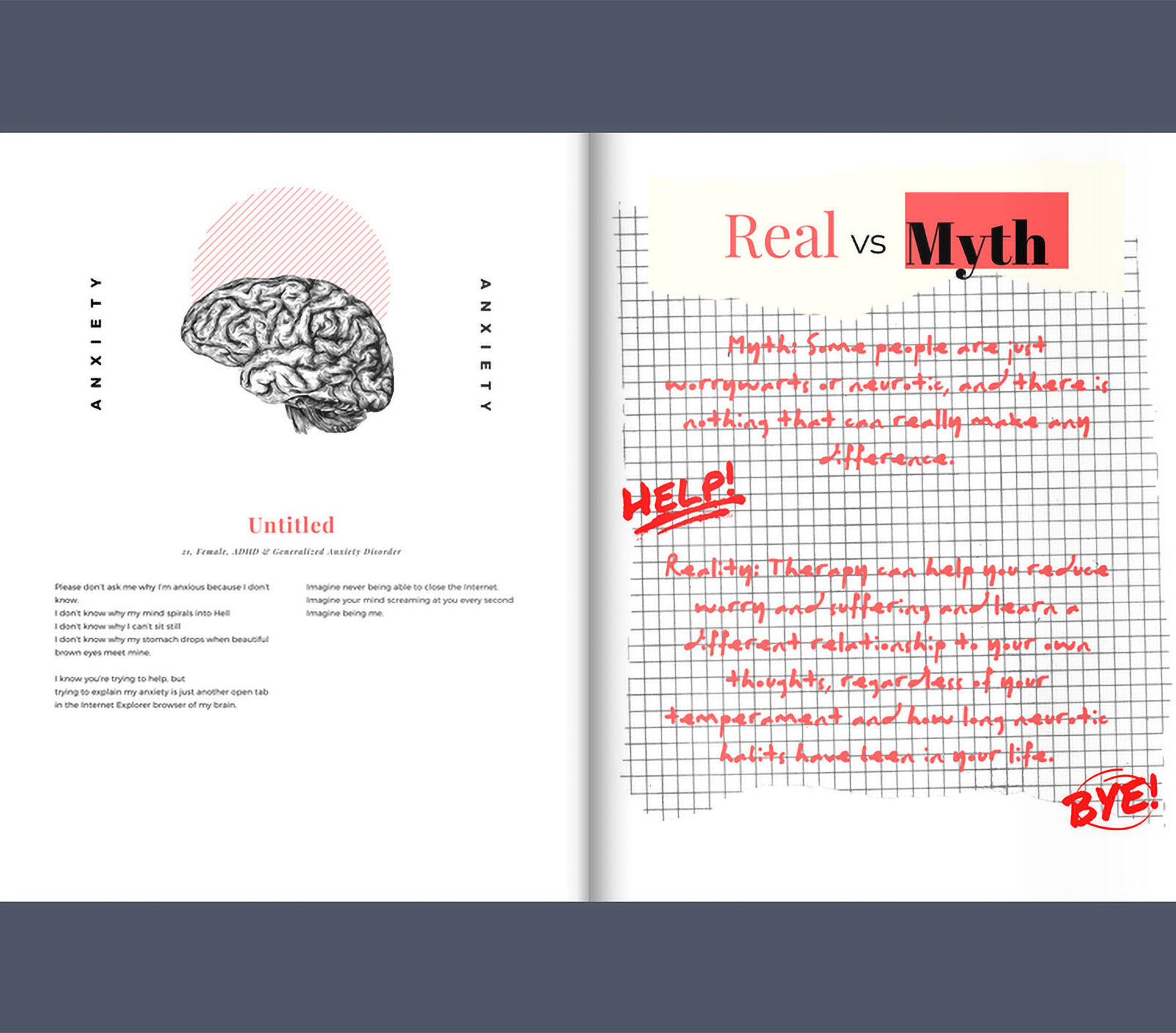
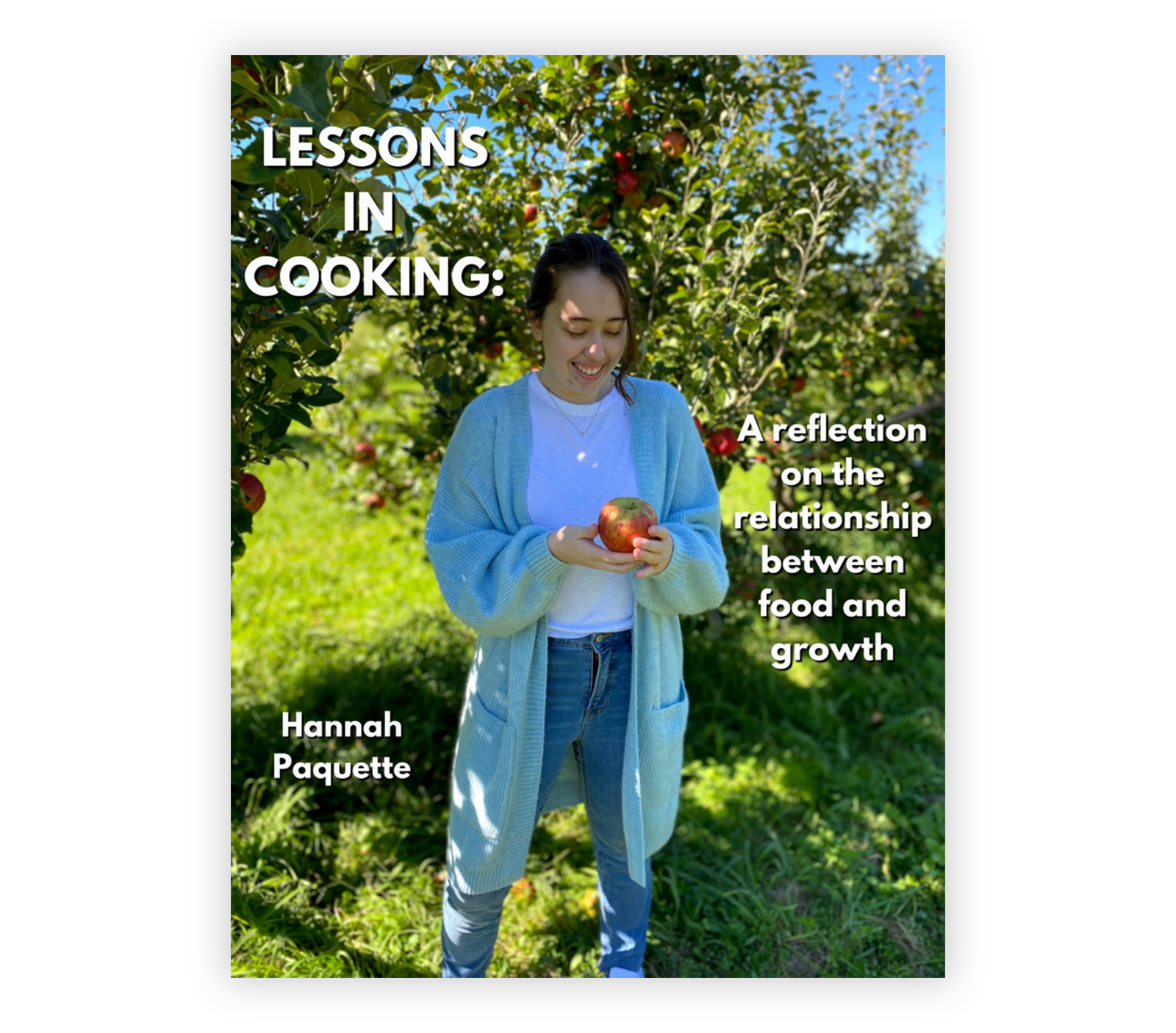
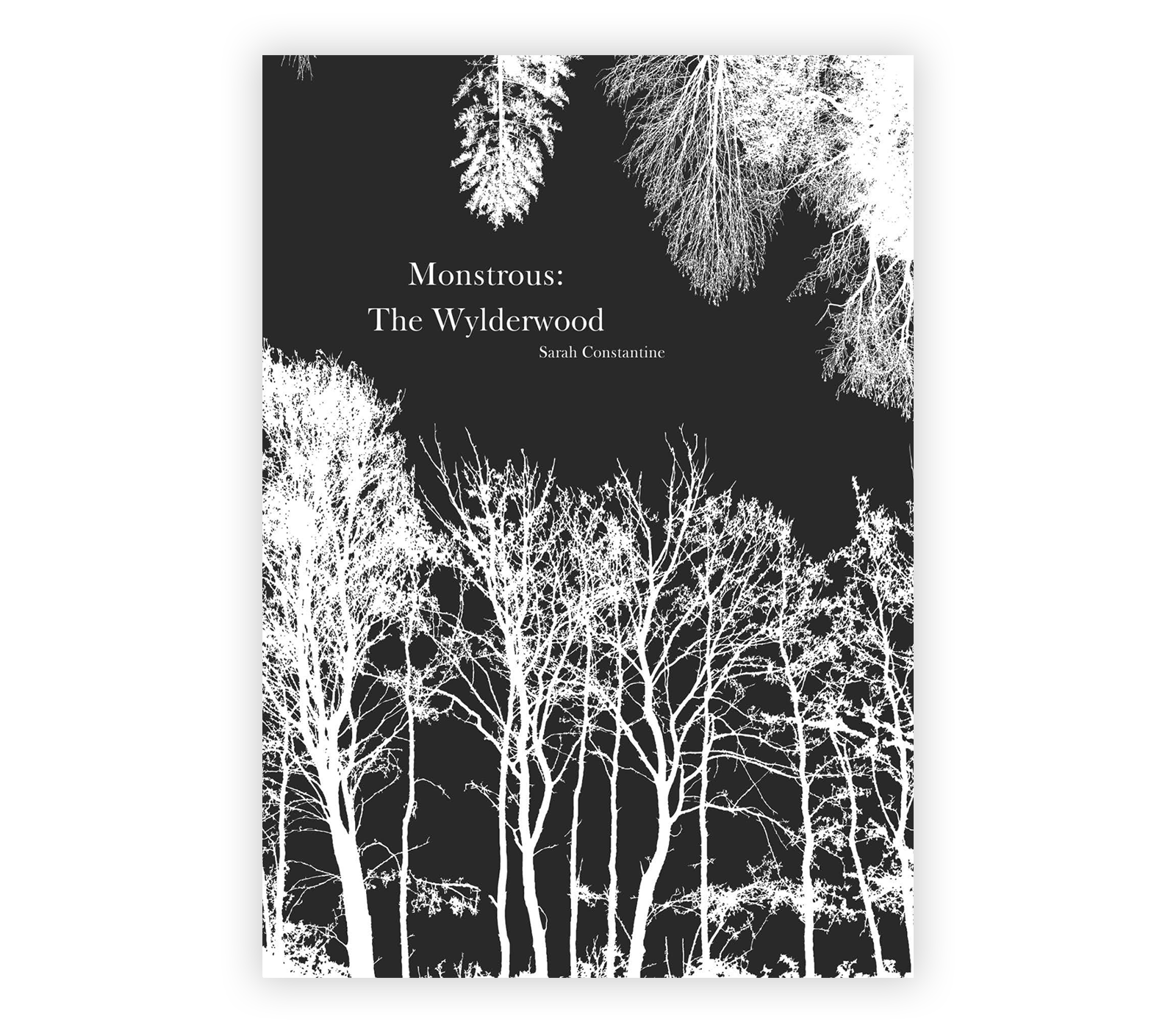
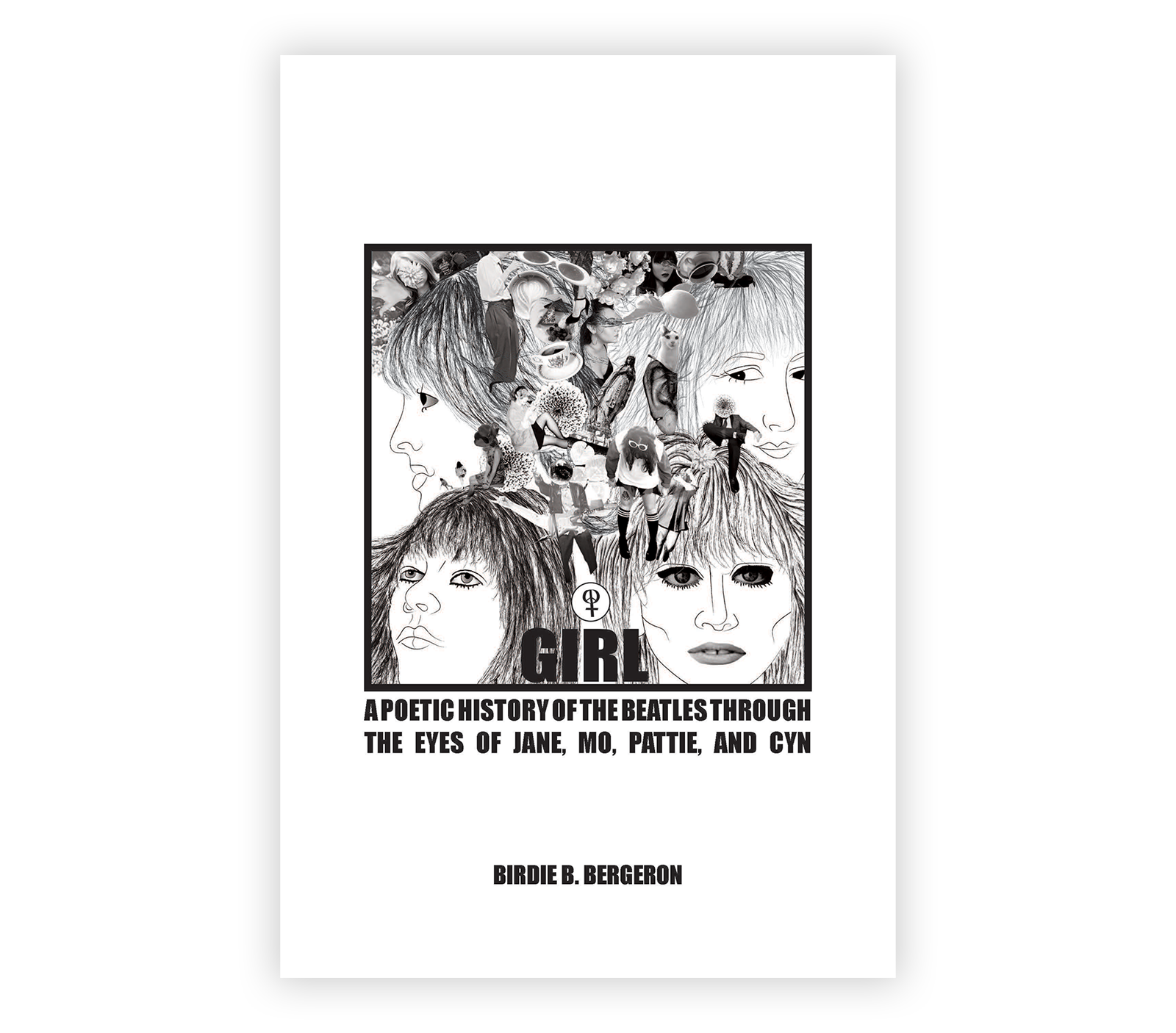
15 Potential Writing Careers for Storytellers
1. Copywriter
Copywriters write clear and engaging content to help inform and entertain people, move them toward an action like a purchase or donation, and express ideas and feelings. The role appears across every industry, from greeting cards and product descriptions to email promotions and travel brochures.
2. Copyeditor
A copyeditor is the last line of defense before the copywriter’s work goes to print or publication. They identify grammatical issues, punctuation and tense inconsistencies, adherence to style or brand guides, and review for general clarity, all while keeping the copywriter’s voice and intention intact. Copyediting is a great position for writers with strong attention to detail.
3. Journalist
Journalists research and document the world’s story in real time, with truth and fact at the center of their writing. They write about everything from local news and global affairs to opinion pieces and critical reviews. These subjects help define specific types of journalism: entertainment journalism, investigative journalism, sports journalism, and broadcast journalism are just a few areas where journalists can branch out.
4. Content Writer
A content writer researches, writes, and edits copy for print and digital media. This might take the form of blogs, website copy, promotional flyers and mailers, email newsletters, white papers, informational brochures, social media captions, advertisements, and much more. Depending on the role and industry (tech, healthcare, education, etc.), content writers can produce anything from informational content to opinion- or research-based content.
5. Technical Writer
Technical writers work with specialists to turn complicated information into easy-to-digest content. If you’ve ever read assembly instructions, an owner’s manual, signed a legal contract, or read patch notes from a software update, they were most likely written by a technical writer. Technical writers are typically employed in highly technical industries or in fields with specialized language and terminology, such as healthcare, engineering, science, software and IT, manufacturing, finance, and law.
6. Video Game Writer
The work of a video game writer draws on every type of storytelling at once: written narrative, oral dialogue, visual context, and digital interactivity must work together to make a world feel real. These writers are responsible for creating all the written or spoken elements of a video game — from overarching story beats, character voicelines, and worldbuilding to NPC (non-player character) conversations and item flavor text.

7. PR Specialist
A public relations specialist controls the story for a brand, a company, or a public figure. That means writing press releases, handling crisis communications, pitching stories to media outlets, managing publicity, and planning events. Their jobs are all about keeping their client’s narrative consistent and the public’s trust intact.
8. Scriptwriter/Screenwriter
A script or screenwriter brings visual storytelling to life for digital media such as films, corporate videos, commercials, and TV. They write dialogue, scene direction, and the overarching narrative structure within the piece’s time constraints. In today’s video-forward world, scripting and screenwriting skills open doors beyond traditional film and TV — from independent YouTube creators to branded content studios to streaming platforms looking for original voices.
9. Literary Agent
A literary agent is the person who gets a manuscript in front of the right publishers for a book deal. They’re an author’s biggest supporter and advocate — giving feedback on drafts, negotiating contracts, and staying in a writer’s corner long after the deal is signed. It’s a great fit for writers who love books and have a sharp instinct for what makes a story work.
10. Marketing Specialist
A marketing specialist uses writing and strategy to promote a brand, product, or service to the right audience, at the right time. They work across channels — email, social, web, print — to share messaging that is both persuasive and aligned with the brand’s voice and style. Marketing is a great industry for writers who are as comfortable with data and strategy as they are with a blank page, and love solving problems with content
11. Grant Writer
A grant writer helps organizations like nonprofits and universities secure funding for specific projects and initiatives or operational costs. They find grants their organization might qualify for and write proposals that highlight why their organization’s cause matters, making a case for financial support. Oftentimes, these proposals may include research and the ability to articulate data and statistics in compelling ways. These financial funding opportunities are typically competitive and come from foundations, governments, and private donors. Grant writing a great fit for writers who are passionate about mission-driven work and have a knack for making complex ideas feel urgent, human, and clear.

12. Speech Writer
A speechwriter is the behind-the-scenes author of keynote speeches and public addresses delivered by executives, politicians, and public figures. Like PR specialists, they may also help an individual control the message by providing talking points ahead of public engagements. Think about the last TED Talk, commencement address, or press statement you watched. The speechwriter’s job in those instances is about representing and understanding the speaker as much as it is about the writing. Every word should be clear, accurate, and sound like the person delivering it, not the person who wrote it. It’s a great fit for writers drawn to oral storytelling and public relations who have a natural ear for the spoken word.
13. Author/Novelist
An author or novelist is the person behind the story, responsible for crafting the characters, worlds, and narratives that readers get lost in. They work across genres and formats, from literary fiction and young adult novels to memoirs, children’s books, short stories, and more. It’s a great fit for writers who have a story in mind and the discipline to see it through to a published final product.
14. Science/Medical Writer
A science or medical writer takes complicated research, clinical findings, and technical information and makes it understandable for everyday people. Think textbooks, environmental reports, medical findings, patient guides, pharmaceutical information, and research summaries. It’s a great fit for writers who are endlessly curious about advances in the sciences and medical industry, and want their work to make a real difference in how people understand their health and the world around them.
15. Sports Writer
A sports writer knows that, for every game, there’s a story to be told beyond the obvious of who won and who lost. In addition to recapping games, they write about the stories behind the games. That can include history and statistics about a sport, profiles of athletes and their teams, investigative features, and opinion pieces published across print, digital, and broadcast media. It’s a great fit for writers who live and breathe sports, can spot a story among a season’s stats, and want to be as close to the action as the athletes themselves.


Frequently Asked Questions
-
What’s the difference between an English degree and a creative writing degree?
Choosing between an English degree and a creative writing degree depends on the direction you’d like to take your career. An English degree is typically centered around the study of published literary works. Your coursework will dig into the how and why behind a published piece, explore literary theory, and think critically about what others have created.
A creative writing degree shifts the focus from published work to the process of creating original work. Through writing assignments, workshops, and peer reviews, you’ll build your craft in fiction, poetry, nonfiction, essays, and more. You’ll find writing-heavy courses, genre-specific classes, and lots of courses centered on giving and receiving constructive writing feedback.
-
What’s the difference between a copy editor and a line editor?
A copyeditor focuses on ensuring everything is grammatically correct, properly punctuated, and aligned with style guidelines such as the Associated Press (AP) style or a brand’s style guide. They’re the last set of eyes before something is published, catching the details that are easy to miss after staring at a piece for too long. A line editor focuses on the bigger picture — the quality of the prose, the author’s voice, and the structure of sentences and paragraphs, as well as the overall tone and pacing of the piece. Where a copyeditor asks, “is this correct?”, a line editor asks, “is this working?”
-
Do I need a degree to become a writer?
The short answer is no — but a degree in creative writing or writing and publishing can make a big difference in the quality of your work and offer the experience to back it up.
Programs like Champlain’s Writing and Publishing degree give you the space and support to be fully dedicated to t your craft, hear from professionals who are actively working in the field, and connect with other writers who might end up being your closest collaborators someday. They also ensure that you graduate with a portfolio of work that shows employers and clients what you can do — and in most writing careers, that portfolio is going to matter a lot more than your GPA.
That said, writing is one of those fields where your work can speak for itself. Plenty of copywriters, journalists, and content creators have built solid careers without degrees — but a writing program gets you there faster, with more connections, more confidence, and a much clearer sense of where you want to go. Think of it less as a requirement and more as a serious head start.
Your Stories, Your Way, at Champlain College
In Champlain’s Writing & Publishing program, it’s not uncommon for students to start with a specific idea of where they want to take their writing and leave with a much bigger picture of what’s possible. Here, you’re not just learning to write. You learn the craft, the business, and the industry from faculty who are published authors actively working on new pieces of their own. Before you ever graduate, you’ll also meet with agents, editors, publicists, and producers who work in the field you’re walking into.
“Our intention in this program is to give every writing and publishing student not only the fundamental tools of being a writer, but also the practical skills of being able to take those writing talents and make a life with them where you can support yourself and have fun and still be pursuing things that you love.” says Professor of Writing & Publishing Tanya Lee Stone.
The program is built around one core belief: that if you can tell a story, you can work anywhere. The only question remaining is what story you want to tell.
Looking for more information about Champlain College? Start here!
Fill out the form to receive helpful information!