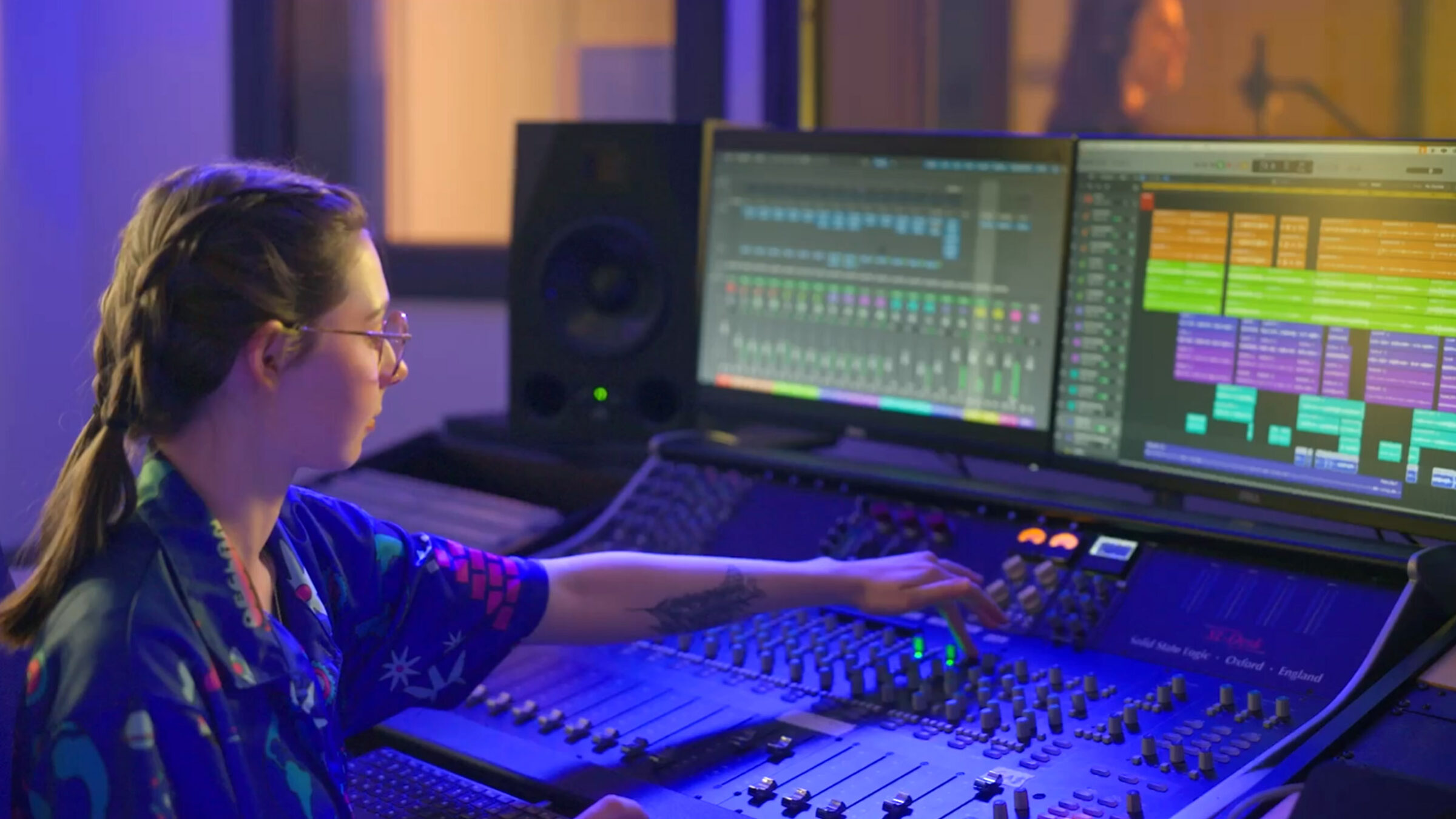
Video game music has come a long way since the single-note beep of Pong. Today, video game soundtracks like those for The Last of Us and Clair Obscur: Expedition 33 feature award-winning orchestral talent, and sound designers earn serious industry recognition. It’s so common now that most players could be forgiven for overlooking just how intentional the music is across genres: dark jazz for mystery, near-silent dissonance for horror, sweeping orchestras for the final boss of a role-playing game (RPG).
Listening more closely to game music can change the way you experience your favorite titles — and reveal an entire creative field you may never have considered.
Video Game Music
From Beeps to Concert Halls: A Brief History of Video Game Music
Video game soundtracks didn’t start as music — they started as functions. The earliest arcade games used single-tone beeps to signal events: a point scored, a life lost. Pong (1972) had no score in the traditional sense; only reactive audio feedback.
The 8-bit era forced musicians to get creative. Composers working on the Nintendo Entertainment System (NES) had to build entire emotional worlds using only five sound channels playing simultaneously — a severe technical constraint that forced remarkable creativity. Composer Koji Kondo’s themes for Super Mario Bros. (1985) and The Legend of Zelda (1986) are among the most recognized melodies ever written. Out of those constraints came chiptune — a style of music made using the sound chips inside early game consoles, characterized by its bright, pixelated, electronic tone.
The CD era of the 1990s unlocked recorded audio. Suddenly, composers could use real orchestras, licensed tracks, and full cinematic scores. Composer Nobuo Uematsu’s sweeping video game soundtracks for the Final Fantasy series set the benchmark for emotional storytelling in games. By the release of Final Fantasy VII (1997), video game music was incorporated into narratives in the same way as it would in film.
By the 2000s, major franchises brought in full orchestras. Martin O’Donnell’s iconic score for Halo: Combat Evolved opened with a vocalized Gregorian chant and built into a sweeping hybrid orchestral theme — it wasn’t just background music anymore, it was a full creative endeavor of its own. The 2010s saw adaptive audio tools mature, giving composers finer control over how music responds to player behavior in real time. Meanwhile, indie developers — small, independent studios often working with limited budgets — were pushing video game music in bold new directions. Toby Fox composed the entire Undertale soundtrack solo, and Christopher Larkin’s Hollow Knight score became a masterclass in atmospheric restraint.
Today, video game music is recognized at the British Academy of Film and Television Arts (BAFTAs), The Game Awards, and even the Grammys. Live orchestral concerts dedicated entirely to game music — like the Video Games Live tour — fill concert halls worldwide. The interest in game music is broader and more passionate than ever.
Why Genre Choices Matter in Games
In interactive media, genre is more than just a label; it’s a design tool. Game genres rely on specific sounds to signal emotions, build context, and guide player behavior. Matching video game music to the right game style isn’t easy, but starting with the genre is always the right move. Think about the games that have stayed with you. What do they sound like? What do they make you feel? Chances are, the music was doing more work than you realized.
- Emotion and focus: Minimalist, quiet music lowers mental load during puzzle-solving; high-energy EDM (Electronic Dance Music) sharpens reaction time during fast-paced action.
- Narrative cohesion: Orchestral leitmotifs — recurring musical themes tied to specific characters or locations — help tie together a story that might span dozens of hours of gameplay.
- Mechanics support: Strong rhythmic patterns help players time their jumps in platformers; dynamic layering can subtly signal when you’ve been spotted, when danger is near, or when you’ve succeeded.

The Emergence of Video Game Music Genres
As technology improved, the range of musical styles available to game composers expanded dramatically. In the 2010s, indie scenes brought synthwave (a style that blends analog synthesizer sounds with retro-futurist aesthetics), lo-fi, and experimental ambient music to the forefront. Today, procedural techniques that generate music algorithmically, AI-assisted workflows, and live ensemble recordings all coexist — giving composers the freedom to tailor video game music to the moment-to-moment experience.
Common Music Genres Used in Video Games
| Genre | Signature Sound | Best Fit | Notes |
| Chiptune / Retro 8-16-bit | The bright, pixelated tones of early game consoles; tight melodies, and rapid arpeggios | Platformers, roguelikes, retro-inspired titles | Short, catchy loops; often blended with modern production techniques |
| Orchestral and Cinematic | Full strings, brass, woodwinds, and choir; recurring character themes | RPGs, action-adventures, open worlds, narrative epics | Often layered with electronic elements; themes evolve across the game |
| Electronic: Ambient | Slowly evolving atmospheric pads, environmental field recordings, subtle motifs | Exploration, survival, immersive simulation games | Designed to expand and breathe with player activity without drawing attention |
| Electronic: Synthwave | Analog-style synthesizers, steady grooves, a retro-futurist vibe | Racing games, cyberpunk settings, arcade action | Energetic but controlled; modular layers shift with gameplay intensity |
| Electronic: EDM | Strong downbeats, building tension, impactful drops | Combat, sports, rhythm games | Transitions align precisely with in-game events like kills or goals |
| Dark Jazz / Noir | Muted brass instruments, brushed drum kits, moody, unresolved harmonies | Mystery, detective, and stealth games | Sparse arrangements leave room for dialogue and environmental sound |
| Horror and Psychological | Dissonance, strategic silence, unsettling sound textures | Horror, survival, thriller | Silence is used as deliberately as sound; music responds to proximity and threat level |
Use this as a basic playlist map to get started in game sound: once you understand the game style you’re scoring, you can keep the mood consistent and the experience readable.
How Composers Match Style to Setting or Theme
Composers start with the game’s world, mechanics, and emotional arc — then choose a musical palette that reflects all three. Fantasy settings might call for orchestral music with folk influences; open-world action games often use hybrid percussion-heavy scores; cyberpunk cities suit synthwave; quiet, introspective indie games lean on solo piano and soft electronic pads.
From there, composers build systems that make the music feel alive and responsive:
- Layering: Individual instrument tracks fade in or out as tension rises or falls, keeping tempo and key consistent throughout
- Branching and stingers: Stingers — short musical punctuation marks — accent key moments like a jump scare, a victory, or a boss appearing; the score can also branch to a new section based on player actions
- Resequencing: Musical sections are reordered on the fly to naturally extend a loop without repetition feeling obvious
- Procedural elements: Algorithms generate ambient textures in real time, especially useful in open-ended exploration or survival games
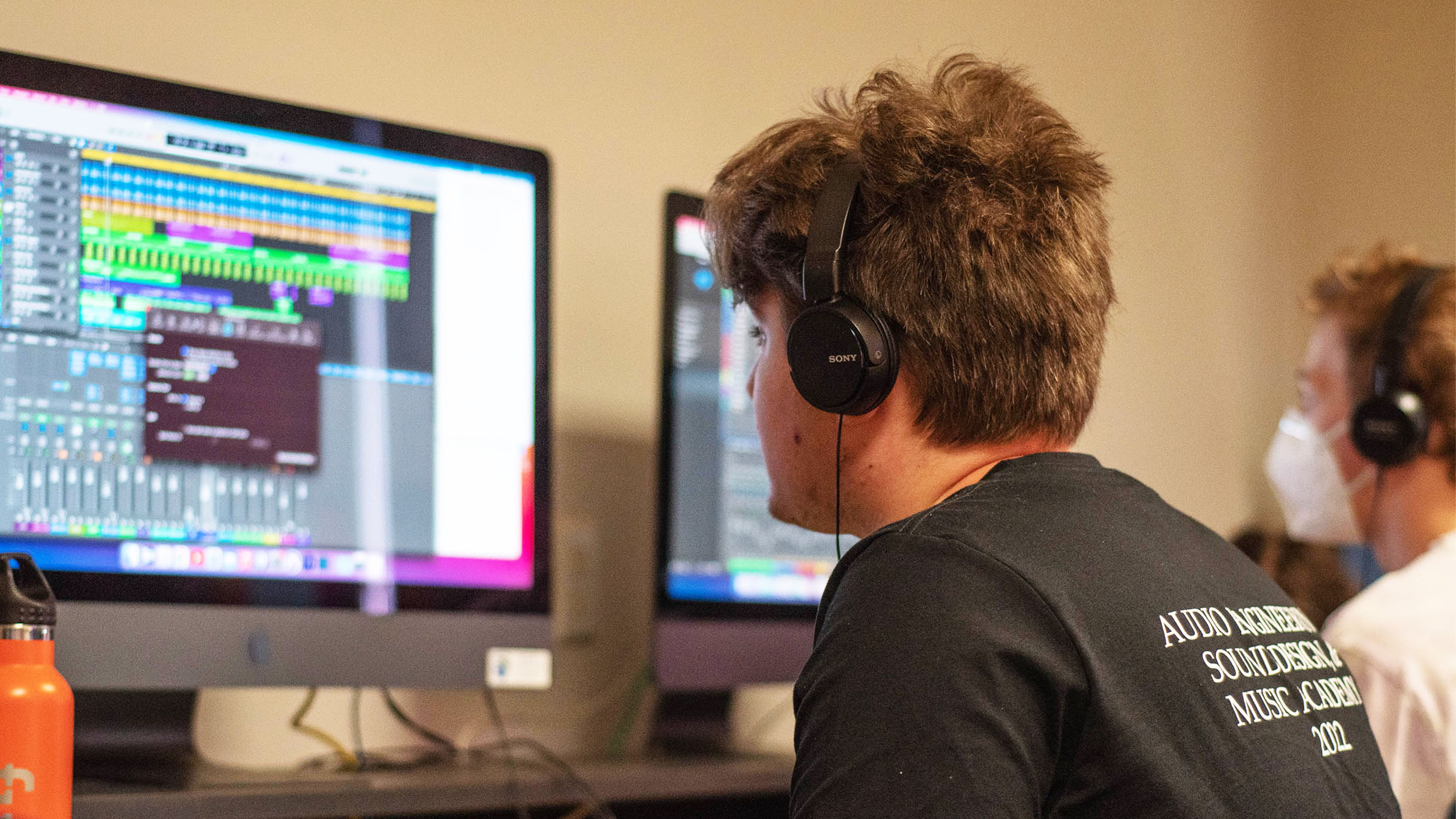
Learning how to make video game music means understanding both the creative and technical sides of this process. Composers typically work in Digital Audio Workstations (DAWs) — the software used to record, edit, and produce music — such as Logic Pro, Pro Tools, or Ableton. They also use middleware tools like Wwise or FMOD, which act as a bridge between the music and the game engine, allowing the score to respond intelligently to what’s happening on screen. Practical constraints like file size and processing power also shape decisions, especially for mobile games and virtual reality experiences. The goal is always music that feels inseparable from the game world.
Most Popular Video Game Genres
While tastes vary by platform and region, several video game genres consistently dominate playtime and new releases — and each shapes its own musical expectations:

Popular Video Game Genres
Action and Adventure
Fast combat and cinematic set pieces favor hybrid orchestral scores, EDM, and percussive motifs
Role-Playing Games (RPGs)
Games where players develop a character and navigate a deep story; their expansive narratives call for orchestral themes, folk instruments, and recurring character leitmotifs
Shooters (FPS/TPS)
First-person shooters (FPS) put you behind the eyes of your character; third-person shooters (TPS) pull the camera back to show the character on screen — both favor high-intensity EDM, industrial sounds, or cinematic hybrids
Sports and Racing
Energetic EDM, rock, hip-hop, and synthwave keep pace with fast, competitive gameplay
Platformers and Roguelikes
Platformers are games built around jumping and navigating obstacles; roguelikes feature randomized levels and high replay value — both suit chiptune, retro synths, and tight melodic loops that support precise timing
Horror
Imposing, dissonant, and silence-forward design amplifies dread and makes jump scares land harder
Survival
Tense, sparse ambient scores that shift dynamically as threats emerge — music that feels less like a soundtrack and more like a warning system as you manage resources or fight to stay alive
Simulation and Sandbox
Games that let players build, manage, or freely explore — ambient and downtempo electronic music keeps focus during long, open-ended sessions
These genre norms aren’t rules, but they guide player expectations and help creative teams align musical choices with theme and mechanics quickly.
Frequently Asked Questions
-
What are the popular styles of video game music?
The most popular styles of video game music include orchestral and cinematic scoring, chiptune and retro 8-bit, ambient and atmospheric electronic, synthwave, EDM, dark jazz and noir, and psychological horror soundscapes. Orchestral scoring dominates big-budget RPGs and action-adventure titles, while chiptune remains popular in indie games and retro-inspired titles. Ambient electronic music is widely used in exploration and survival games, where the score needs to breathe without overpowering gameplay. Many modern video game soundtracks blend multiple styles — a technique called hybrid scoring — to give composers maximum flexibility across different gameplay moments.
-
Is video game music made using real instruments?
Yes — and also no. Modern video game music is produced using a wide range of methods, and many soundtracks blend real instruments with digital production. High-budget titles like God of War, Halo, and The Last of Us recorded live orchestras, soloists, and choirs in professional studios. Smaller productions often use high-quality sample libraries — digital recordings of real instruments that composers trigger through software — producing results that can sound nearly indistinguishable from a live session.
Electronic and synthesized music, by contrast, is fully digital by design. Learning how to make video game music today means becoming fluent in all three approaches: live recording, sample-based composition, and synthesis — plus the implementation tools that bring it all to life inside a game engine. -
What are the most popular video game genres?
The most popular video game genres include action and adventure, role-playing games (RPGs), first- and third-person shooters, sports and racing games, platformers, horror and survival, and simulation or sandbox games. Each genre comes with its own musical expectations: RPGs lean toward sweeping orchestral scores, shooters favor high-energy EDM or cinematic hybrids, and horror games use silence and dissonance as their primary tools. Understanding the most popular video game genres is part of what makes game sound design so varied — there’s no single “video game sound,” just a wide palette matched to player experience.


Careers in Game Sound Design and Game Audio
The reach of video game soundtracks extends well beyond the screen. Orchestral game scores sell out concert halls; chiptune artists headline live music festivals; electronic game scores accumulate millions of streams. Careers in game audio span composer, sound designer, audio implementer, and technical audio designer — and the professionals who stand out are those who can pair strong musical instincts with technical implementation skills. Champlain College’s Game Sound Design program trains students in both dimensions, from composition and sound effects to adaptive audio programming in industry-standard tools.
If you love video game music, start by listening more intentionally across genres and eras. Compare how different scores solve the same design problems, and ask yourself why each choice fits its game. That’s how you start to hear music not just as something that plays in the background, but as one of the most powerful tools a game has.
Looking for more information about Champlain College? Start here!
Fill out the form to receive helpful information!
All trademarks, service marks, trade names, and logos referenced in this article are the property of their respective owners. All company, product, and service names used in this article are for identification purposes only.