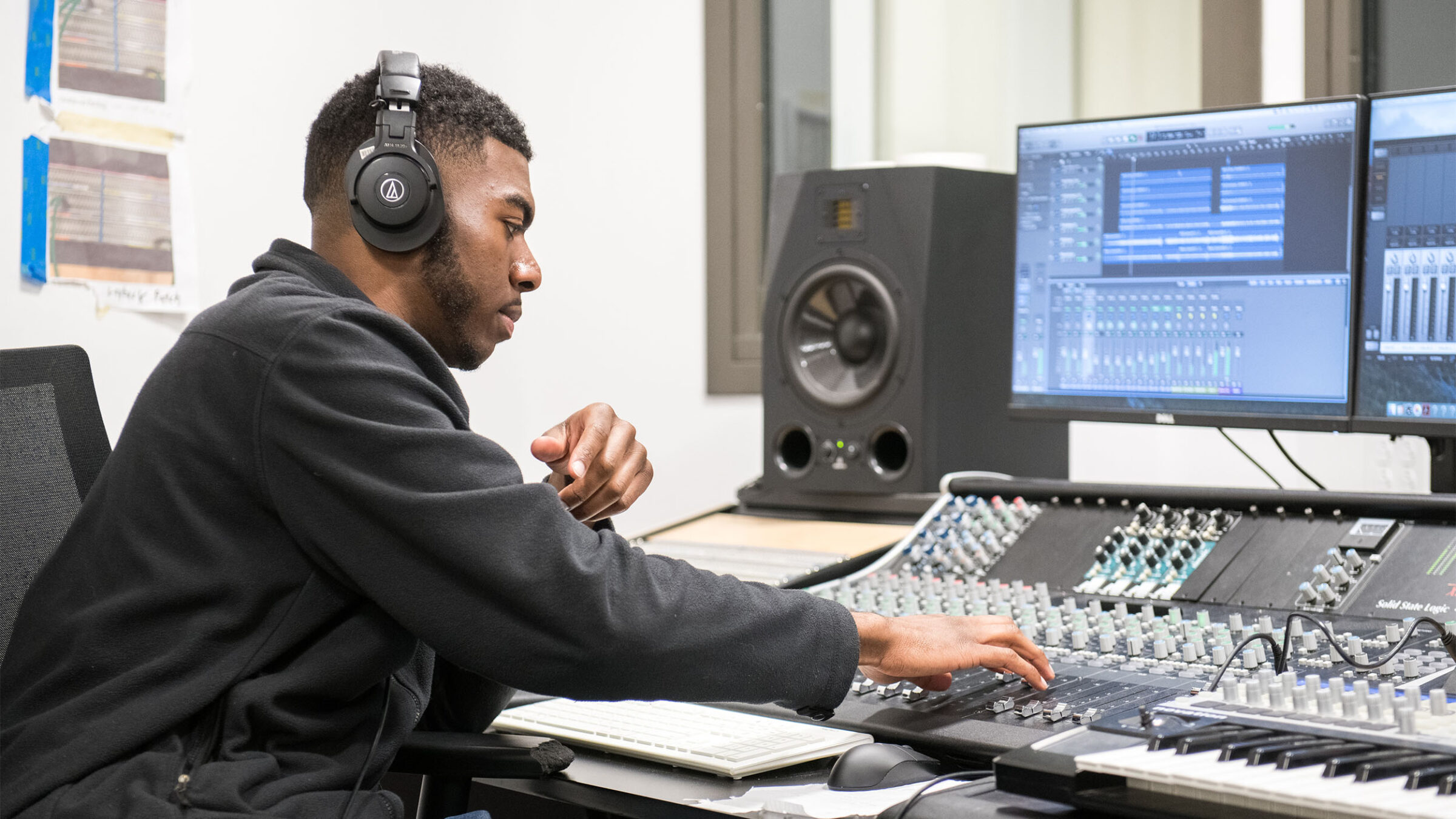
From Sonic’s rings and Grand Theft Auto’s “Wasted” screen, to Mario Kart Item Boxes and the orchestral choir of God of War: Ragnarok — every beep, chime, melody, or alert you’ve ever heard in a game is the work of brilliant sound designers. These professionals spend endless hours crafting audio experiences, ensuring sound quality is crisp and clear, and immersing players into fantastical worlds. And while game sound isn’t something you’ll always notice, it’s definitely something you can feel.
In this guide, we’ll break down the roles that make up game sound design, cover essential skills and tools, and show you how Champlain College prepares students to launch careers as game sound designers.
What Is Game Sound Design? Careers, Skills & How to Get Hired
What Is Game Sound Design?
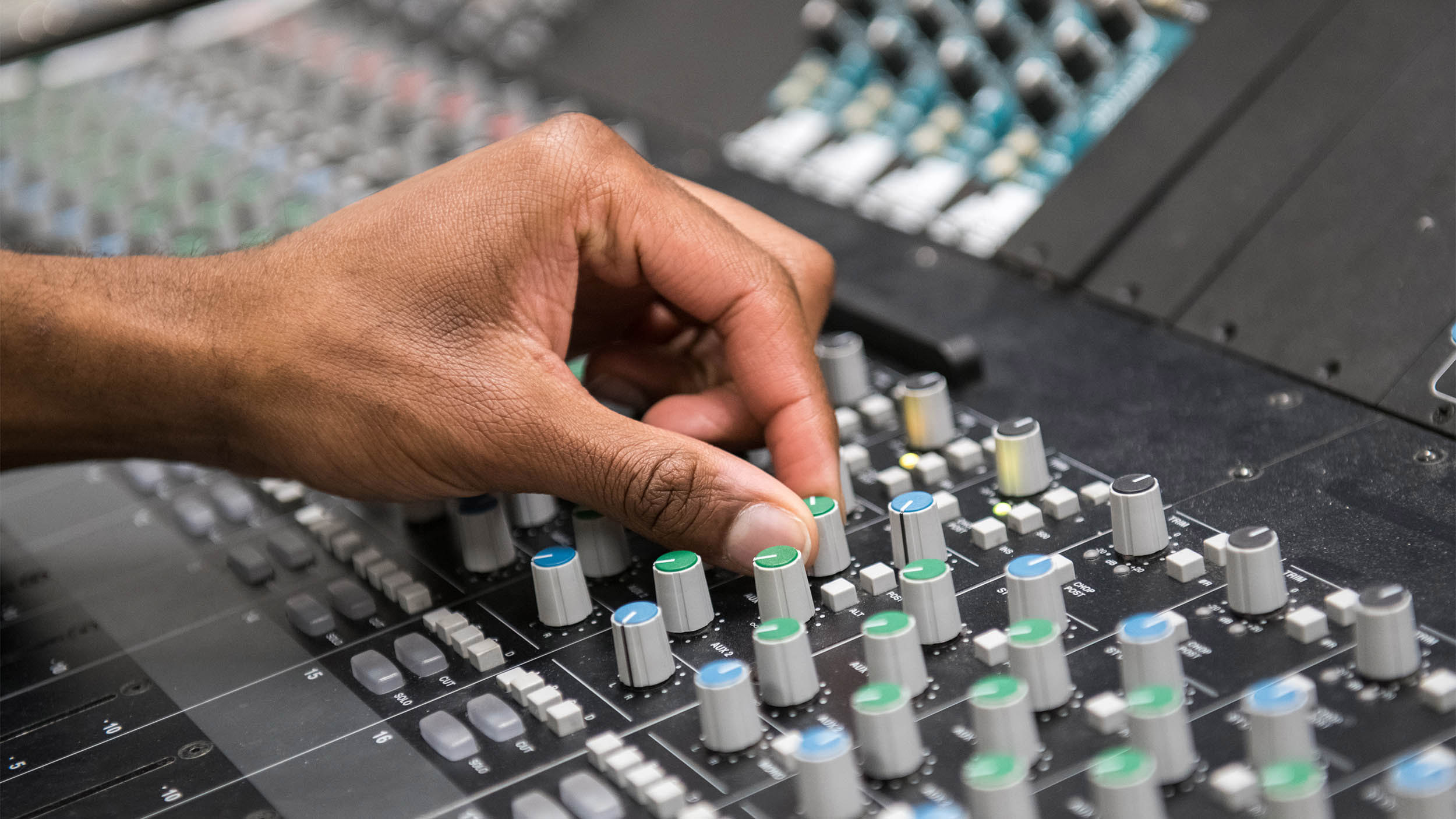
Game sound design refers to the creative, technical, and collaborative sides of audio production. It involves making, recording, mixing, and integrating all of the audio that you hear in a video game, including sound effects, ambient noise, character dialogue, and the game’s soundtrack. Depending on the role, game sound design can also involve coding. When done right, game sound creates an immersive, engaging experience that pulls players into a game and makes it feel more believable.
Why Is Game Sound Design Important?
Imagine playing your favorite game on mute — no sound effects, dialogue, or music. It would feel like a completely different experience. That’s just one of the reasons why game sound design is one of the most impactful parts of gaming.
- Feedback: Sound can provide players with feedback, such as opening a door or reloading a weapon. These sounds confirm that a specific action has been taken.
- Gameplay cues: Sound also works as a gameplay cue, letting players know they need to take a specific action. Let’s say you’ve taken damage, your character is injured, and you hear their heartbeat or ear ringing — this lets you know you need to heal.
- Mood: Sound is a great way to establish how players feel. Silent Hill 2’s menacing, unnerving soundscape makes players feel anxious, keeping them on their toes — and it’s done so intentionally.
- Tone: Sound also helps set the tone. Crash Bandicoot’s upbeat, jungle-rhythm soundtrack immediately tells you you’re in for a fun, lighthearted adventure. Compare that to the dark and melancholic musical score of Batman: Arkham Asylum, which perfectly captures the game’s atmosphere.
- Location: Sound also gives players an idea of where they are. If they’re in a jungle, on a mountain, or in a city, the sounds you hear help immerse you in that space.
Roles in Game Sound Design
Like any area of game development, game sound design is made up of many different roles, each with its own responsibilities. Here’s a look at which role does what.
Sound Designers
As the name implies, sound designers create sounds like ambient noise, footsteps, weapons, and more. They usually don’t write complex programming code; instead, they use audio middleware and visual scripting systems. Game sound designers might also use audio from sound libraries, craft their own sounds digitally, or even venture into the wild to record original audio from scratch. All of this is carefully crafted to match a game’s setting, tone, and atmosphere.
Audio Engineers
A game audio engineer’s work centers on recording, mixing, processing, and integrating audio into the game, making sure that sounds are captured cleanly, mixed correctly, and integrated properly into the game engine. They tend to lean more toward the engineering and technical side of audio, ensuring that everything sounds right and functions correctly.
Dialogue Editors
Dialogue editors mostly work with pre-recorded voice performances, selecting the best takes, cleaning up audio, editing lines for timing and delivery, confirming consistency across the entire voice cast, and preparing dialogue for implementation into the game engine. They work further down the audio production pipeline, shaping and refining raw recordings into game-ready dialogue audio.
Audio Programmers
A game audio programmer is a software engineer who builds the code, tools, and systems that make audio function within a video game. Rather than creating sounds themselves, they build the system that allows all of the game’s audio — like sound effects, music, and dialogue — to play back correctly, respond to player actions, and run efficiently within the game engine. They typically work in programming languages such as C++ or C#, and collaborate closely with the audio team and other departments throughout production.
Game Senior Show
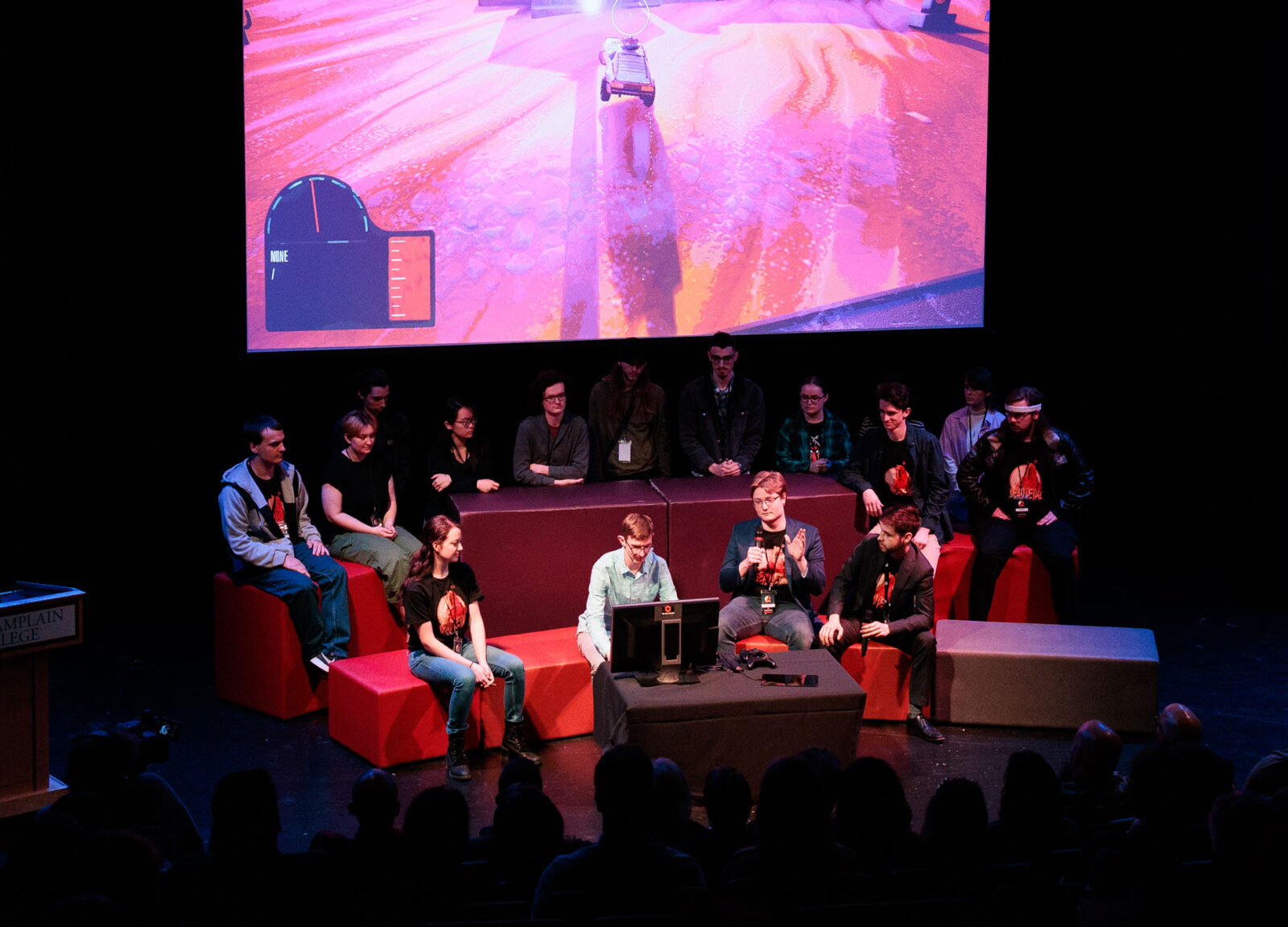
Every year, Champlain’s Game Senior Show celebrates the collaborative and creative work of our Game Studio students, giving them the opportunity to present games they’ve built.
Learn moreTechnical Sound Designer
A technical sound designer is the bridge between sound design and programming. Unlike audio programmers who build systems from scratch, technical sound designers work within those systems, using middleware tools like Wwise and FMOD to implement and program audio in the game engine, build interactive audio systems, and perform quality assurance so that all sounds trigger and behave correctly during gameplay. They also regularly test, fix, and debug audio issues that arise in development.
Recording Engineer
The recording engineer’s primary focus is capturing audio. They’re the technical expert in the recording studio and are responsible for setting up equipment, placing microphones, operating the recording console, and making sure that every sound, performance, or song is recorded at the highest possible quality. Their work happens at the very beginning of audio production, before any editing, processing, or integration of audio takes place.
Composer
Game composers create original soundtracks and musical scores to set the game’s tone, theme, and mood. Music can be created through traditional musical instruments — even a live orchestra in some cases — virtual instruments, or synthesizers. Being a game composer requires not only a good ear for music, but also an understanding of gameplay; they’ll run through a game and pinpoint moments where music could enhance the experience.
Foley Artists
Foley artists in game audio use props and everyday objects to create sound effects. The Foley team behind Batman: Arkham City, for example, snapped celery stalks to mimic the sound of breaking bones and a leather jacket to capture the sound of Batman’s cape flapping in the wind. It’s this kind of creative approach that makes Foley such a unique part of the game audio process. While smaller studios often outsource Foley work, larger AAA studios often have a dedicated Foley department that captures unique sounds for the movements and actions of their game.
Voice Actors
Voice actors are another important role in game audio, bringing characters to life through expressive dialogue and voice sounds. Whereas traditional acting requires performers to use their bodies and facial expressions to convey emotion, voice acting requires the ability to communicate everything, like emotions and personalities, through just voice. They may record hundreds of individual lines across many studio sessions, as well as other personal sounds like grunts, groans, screams, or catchphrases.

The Unsung Heroes of Game Development
Game programming is where the magic of game development begins. Learn more about the skills every programmer needs to know.
Read moreTools and Software
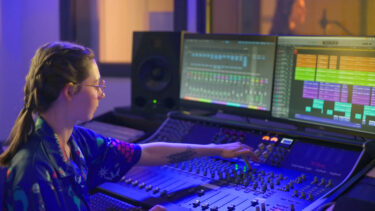
Game sound designers use a variety of tools, equipment, and software to create sound. Here’s a breakdown of the most common tools and software used by video game sound designers:
Digital Audio Workstations
Digital Audio Workstations (DAWs) are the most common software used by sound designers to record, edit, and mix audio. The most commonly used DAWs in game audio include:
- Pro Tools — the industry standard for professional audio production and editing
- Logic Pro — popular among composers and sound designers working on macOS
- Ableton Live — widely used for electronic sound design and music production
- Reaper — an affordable but powerful option that’s popular in the game audio
Audio Middleware
Middleware is software that bridges the gap between audio and the game engine, allowing sound designers to integrate and program interactive audio systems. The two most widely used are Wwise, an industry standard for interactive audio implementation, and FMOD, a widely used middleware platform known for its flexibility and accessibility.
Game Engines
Sound designers also work within game engines, where they place and test audio. The two most commonly used game engines are Unreal Engine, which has a built-in audio system and strong Wwise and FMOD integration, and Unity, known for indie and mobile game development, with strong support for both FMOD and Wwise.
Sound Libraries and Sample Tools
Instead of recording every sound from scratch, some sound designers prefer to use professional sound libraries and sample tools to access thousands of pre-recorded audio assets. Popular options include:
- Soundsnap
- Sonniss
- Boom Library
- Pro Sound Effects
Related Articles
Learn more about Game Sound Design.
Sound Design and Processing Plugins
Sound designers use a wide range of audio plugins to manipulate, process, and transform sounds into something unique. Common plugins include:
- iZotope: known for its powerful audio repair and processing tools
- Waves: one of the most widely used plugin suites in professional audio
- Native Instruments: popular for synthesizers and sample-based instruments
- Soundtoys: known for creative and experimental audio effects
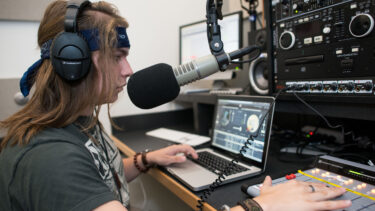
Field Recording Equipment
There are also sound designers who venture out into the real world to capture original sounds, using professional field recording equipment, including high-quality microphones, portable audio recorders like the Zoom H6 or Sound Devices MixPre, and a range of accessories for capturing clean audio in any environment.
Other Tools
For sounds that can’t be found or recorded in the real world, like alien creatures or sci-fi weapons, sound designers use synthesis tools to build sounds from scratch digitally. Some of the most common options include Serum, Massive, and Reaktor.
How to Get a Job in Game Sound Design
Breaking into game audio and landing your first role can take time. Though the field is competitive, there are things you can do to stand out, especially if you’re a beginner.
Understand the Tools, Equipment, and Software
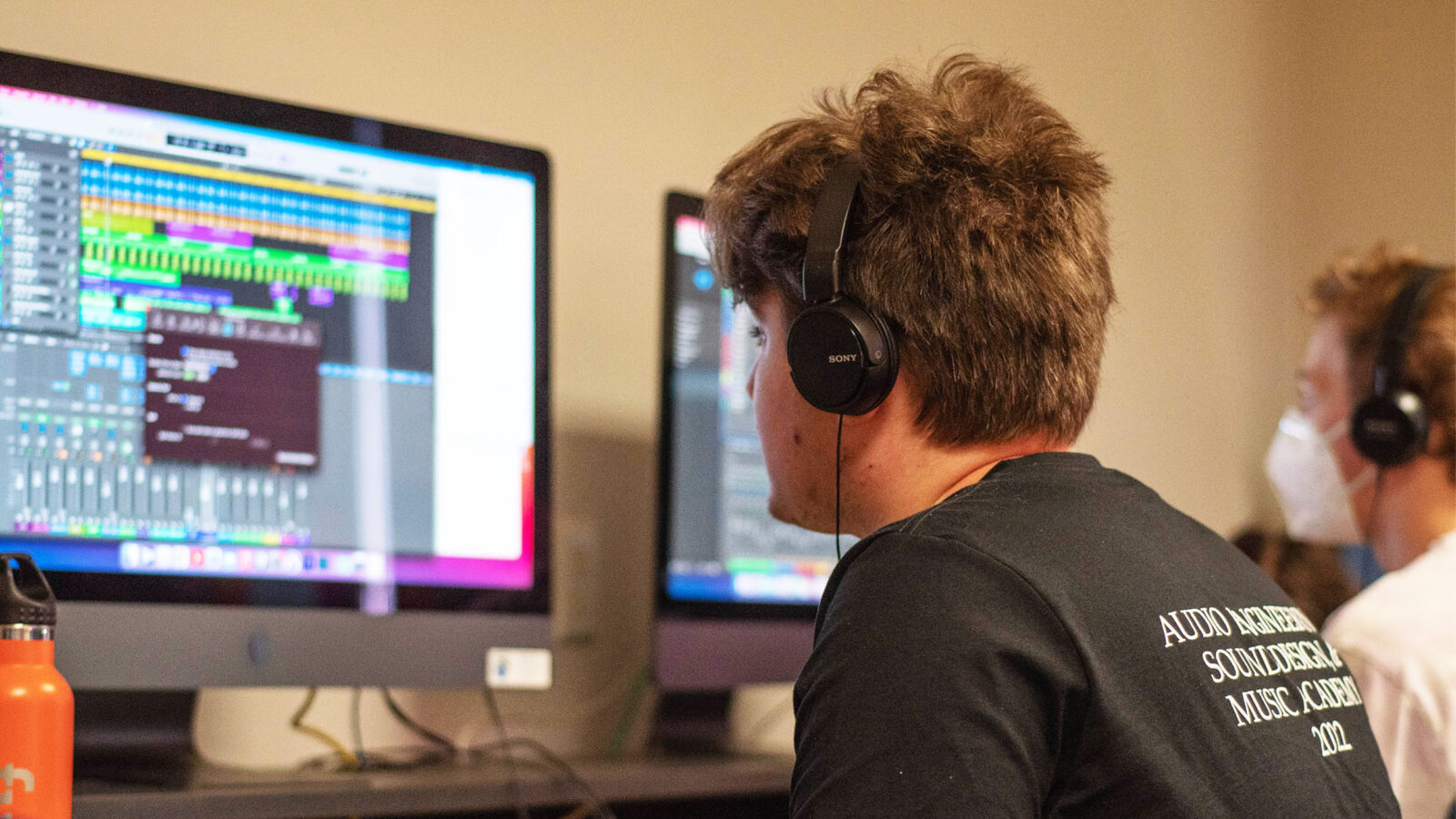
If you’re looking to break into game sound design, the first step is getting comfortable with the tools that studios use. Wwise and FMOD are the two most common middleware platforms in the industry, and knowing how to use them is a must for entry-level roles. Both platforms offer free versions and extensive learning resources online, so this is a great place to start. Knowing how to use DAWs and how game engines work also helps.
Game Jams
Game jams are competitions that challenge teams to build games from scratch within a set period of time, typically anywhere from 24 to 72 hours. They’re one of the best ways to gain real experience, build your portfolio, and connect with other game developers. Audio is an important aspect of gaming, so it’s a great entry point for aspiring game sound designers.
Build Your Portfolio
Your portfolio is one of the most critical components you’ll need to break into game audio. Your portfolio can include personal projects, such as sound design demos that add original audio to existing game footage, short films, or trailers. Redesigning the audio for a well-known game scene is another effective way to demonstrate your skills.
Networking
Attending industry events like the Game Developers Conference (GDC), joining online communities like the Game Audio Network Guild (GANG), and connecting with other audio professionals on LinkedIn or social media can also help land roles and discover new opportunities. Many entry-level opportunities are filled through referrals and personal connections, making networking a crucial part of connecting within the industry.
Formal Education
While it’s possible to break into game audio without a formal degree, a structured education in game sound design or audio production can give you a good head start. A degree-specific program will help you learn industry-standard tools, provide mentorship from working professionals, and give you the time and resources to build a strong portfolio before you graduate.
Frequently Asked Questions
Where do game sound designers work?
Game sound designers work in a variety of settings depending on the size and type of studio. Many work in-house at game development studios, ranging from small indie teams to large AAA studios, where they collaborate daily with other team members. Some game sound designers also work at post-production audio houses that specialize in providing sound services to game developers. Others work as freelancers, taking on contract work across multiple projects and studios.
Where can I find game sound design jobs?
Job platforms like LinkedIn, Indeed, and Glassdoor regularly list game audio positions. For industry-specific job boards, Hitmarker, GameJobs.co, Soundlister, Airwiggles, Gracklehq.com. and the Game Audio Network Guild job board are excellent starting points. Following game studios on social media and keeping an eye on their careers pages is another effective strategy. And we can’t forget about networking within the game audio community through events like the Game Developers Conference (GDC) or online communities on Discord and Reddit.
What is the career outlook for game sound designers?
Though the field is competitive, the career outlook for game sound designers is promising and continues to grow alongside the broader game industry. The global video game market is one of the fastest-growing entertainment industries, and as games become more complex, narrative-driven, and immersive, demand for skilled audio professionals continues to rise. Emerging technologies like virtual reality, augmented reality, and spatial audio are also opening up entirely new opportunities for game sound designers with the right skill set.
How Champlain College Launches Careers in Game Sound Design
Champlain College’s Game Sound Design degree prepares students with hands-on experience, mentorship from industry professionals, and portfolio projects that demonstrate real-world experience to employers. Working alongside developers across seven different majors that make up Champlain’s Game Studio Experience, these students graduate with the technical skills, collaborative experience, and professional network needed to launch careers at studios ranging from indie developers to AAA publishers. By their senior year, they will have created and presented fully playable games to recruiters at the Game Senior Show.
Looking for more information about Champlain College? Start here!
Fill out the form to receive helpful information!
All trademarks, service marks, trade names, and logos referenced in this article are the property of their respective owners. All company, product, and service names used in this article are for identification purposes only.