“Can you really make a living doing something creative?” It’s a question that gets asked a million times by parents, teachers, relatives, and even friends. They may mean well, but it’s not the most encouraging thing to hear. Truth is, creativity alone doesn’t pay the bills. And the career outlook for creatives isn’t always straightforward. But what if we told you a creative career was actually possible — you just needed to think outside the box?
With social media and online business, people have more opportunities to make money doing what they love. And there’s a name for it too: creative entrepreneurship. In this article, we’re going to break down what it means to be a creative entrepreneur, why it’s exciting, how you can get started, and where Champlain College can help you make it happen.
Creative Entrepreneur: What It Means and How to Get Started

What Is a Creative Entrepreneur?
A creative entrepreneur is a person who builds a business or career around their creative skills or passions. At its core, it’s about combining two things that might seem like opposites — the arts and business — to build brands and products that have real impact and value.
Creative entrepreneurship isn’t new either; in the ancient world, artisans and craftspeople, from street markets to bustling city ports, were some of the very first creative entrepreneurs. They were potters, weavers, glassblowers, jewelers, and more — all highly skilled people who were vital to local economies. And you can still see this today. It just looks a little different than it did before.
Some examples of creative entrepreneurs include:
- An indie game studio launching a new game with community-based funding
- Photographers who take photos for weddings, birthdays, graduations, and other events
- Content creators on social media (TikTok, Instagram, YouTube) who earn money from sponsorships, partnerships, and views
- Writers who create content for websites, articles, guides, brochures, and anything else with words
- Fashion designers who create their own clothing with upcycled materials
- Music producers who make beats and upload them online
- A watercolor artist selling their work on Etsy or their personal website
The creative economy is full of opportunity, and this is just a peek at what’s possible. The key to finding your footing as a creative entrepreneur is first finding a niche that plays to your strengths and also has market demand.
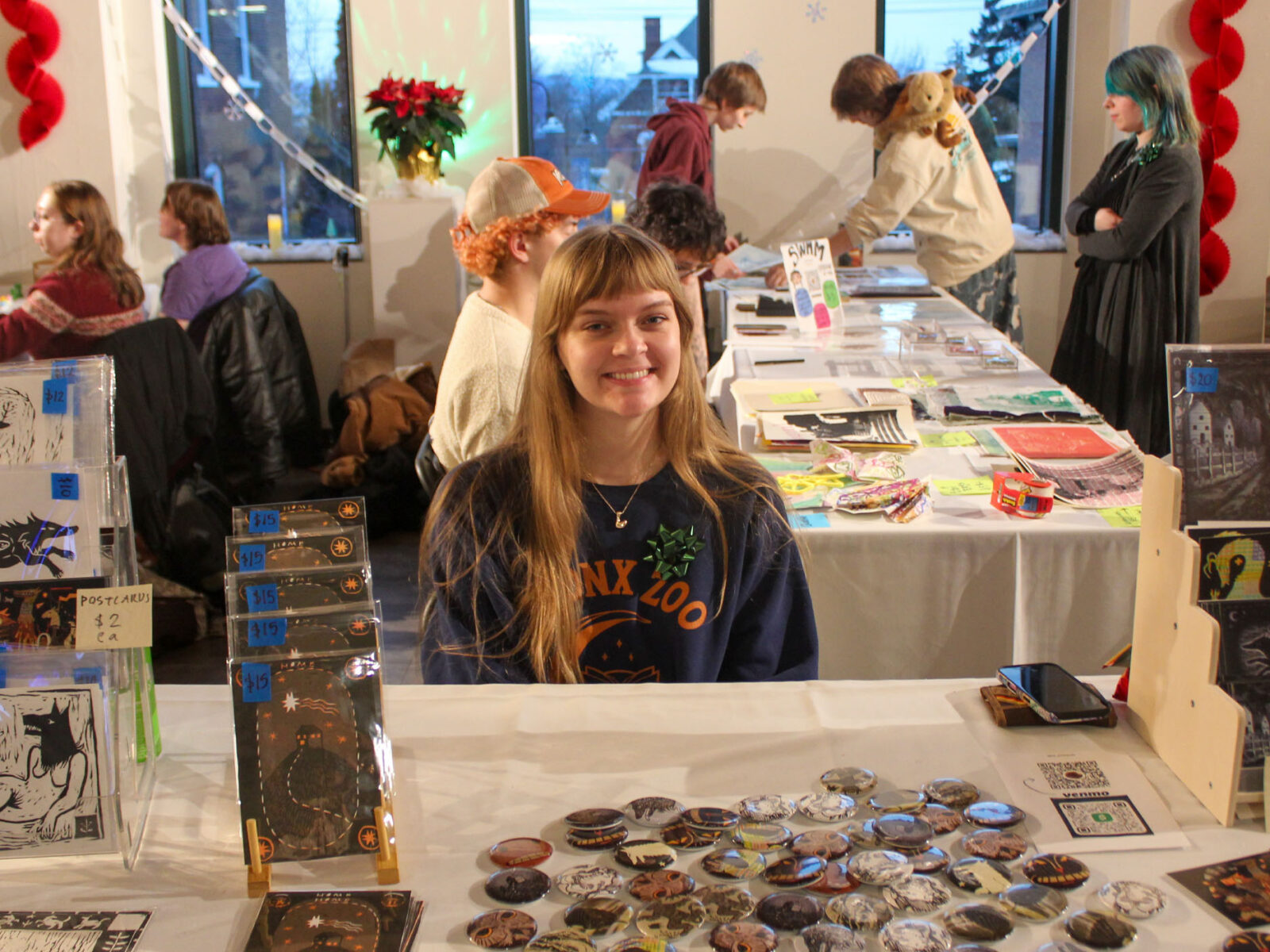
Student Winter Art Market
Champlain College’s Student Winter Art Market is the place to be for all creative entrepreneurs. Students can buy and sell unique, hand-made creative work while celebrating the entrepreneurial spirit that runs throughout Champlain’s campus.
How Creative Entrepreneurship Differs from Traditional Business
Creative and traditional entrepreneurship share a lot of common ground: both require ambition, business savvy, and a willingness to take risks. But there are some key differences that set creative entrepreneurship apart.
The Product Is Personal
In traditional business, the product being sold is often separate from the person selling it. Let’s say you purchase a bag of chips from a gas station. The cashier didn’t make the chips — they simply sell them. In creative entrepreneurship, the product is usually a reflection of the creator themselves: their ideas, aesthetic, and vision. This makes the product more personal, like receiving a signed note from the baker every time you purchase pastries from their shop.
Passion Drives the Work
Traditional entrepreneurship is often motivated by identifying a market gap or a profitable opportunity, which can turn people into numbers. Creative entrepreneurs typically start from the opposite direction. They begin with a passion or a craft and then figure out how to build a business around it. The motivation is less about spotting an opportunity and more about finding a way to sustain something they already love doing.
The takeaway: These differences aren’t meant to pit creative entrepreneurship against traditional business. At the end of the day, every business, creative or non-creative, needs to make money. But creative entrepreneurs have a unique ability to build something that is deeply personal, driven by passion, and capable of making a real impact.
The Benefits of Being a Creative Entrepreneur
Whether you’re making videos on YouTube or selling custom pet portraits online, the impact of creative work is real and lasting. Here are some of the biggest benefits of being a creative entrepreneur.

The Benefits
You Do Work You Actually Love
Who wouldn’t want the ability to build a career around something they’re genuinely passionate about? Instead of clocking in and out of a job that feels disconnected from who you are, creative entrepreneurs get to spend their time doing work that’s meaningful, fulfilling, and personally rewarding.
You’re Your Own Boss
Creative entrepreneurship gives you full control over your work: what you take on, who you work with, how you price your product, and how you spend your time. The decisions are all yours to make.
Flexibility
Creative entrepreneurship allows you to design a lifestyle that works for you. Whether that means working from home, setting your own hours, traveling while you work, or simply having the time to take a break when you need one, the freedom that comes with running your own creative business is a benefit that’s hard to put a price on.
You Build Something That’s Yours
There’s a unique sense of pride and ownership that comes with building a business around your creative talents. Every new client, every product sold, and every milestone reached is a result of your own effort and vision, which is incredibly motivating.
The Challenges of Being a Creative Entrepreneur
Being a creative entrepreneur can be rewarding, but it’s not without its difficulties. Here are some of the biggest challenges you’re likely to face.

The Challenges
Inconsistent Income
Unlike a job where you get regular paychecks, creative entrepreneurs may face periods of high demand followed by slower stretches where work and money dry up. Learning to manage your finances and plan for the unexpected is an essential skill for any creative entrepreneur.
Wearing Too Many Hats
When you’re running your own business, you’re not just a creative. You’re also the accountant, the marketer, the salesperson, the customer service rep, and maybe even the social media manager. Juggling all of these responsibilities can be overwhelming, especially in the early stages when you’re doing everything yourself with limited time and resources.
Creative Burnout
When your passion becomes your business, the line between work and life can blur. The pressure to constantly produce, create, and sell can drain the joy out of the very thing that inspired you to start in the first place. Managing your energy, setting boundaries, and protecting your creative spark are all crucial to developing as a creative entrepreneur.
Standing Out in a Crowded Market
The creative economy is booming, which means the competition is fierce. Finding a way to set yourself apart, build a recognizable brand, and attract the right audience in a market full of other creatives is another challenge you might face.
The Business Side of Things
Many creative entrepreneurs are drawn to their work because of the craft itself. The business side of things can feel intimidating, especially for those with little to no business background. Developing a basic understanding of finance, legal considerations, and business strategy is essential for long-term sustainability.
Without a boss, a structured schedule, or accountability, staying motivated and productive can be surprisingly difficult. The freedom that makes creative entrepreneurship so appealing can also make it easy to procrastinate, lose focus, or struggle with consistency, especially during slow periods. It’s the reality of getting started but if you stick with it, it could be a very rewarding thing.
How to Get Started as a Creative Entrepreneur
Getting started as a creative entrepreneur can feel overwhelming, but breaking it down into simple steps makes the path forward a lot clearer. Here’s how to begin:
Identify Your Creative Skill or Passion
The first step is figuring out what you do best and what you love most. What creative skills do you have that others might find valuable? What could you spend hours doing and never get tired of? The sweet spot for a sustainable creative business is where your passion and skills meet market demand.
Find Your Niche
Rather than trying to appeal to everyone, the most successful creative entrepreneurs carve out a specific niche: a focus or area where their skills make a difference. Do you design graphic tees or hand-carve furniture? Or maybe you knit wool scarves for animals at your local zoo. Whatever your craft is, discovering a niche makes it easier to attract the right audience, stand out from the competition, and build a recognizable brand identity.
Start Small
You don’t need to have everything figured out before you start. In fact, waiting for the perfect moment can hold you back. Start small, put your work out there, get some feedback, and build slowly over time.

Build Your Brand
Your brand has to be more than just a logo. It’s got to have personality, identity, and values that make your creative business recognizable and memorable. Think about what makes your work unique, who your ideal customer is, and how you want people to feel when they encounter your brand. A strong brand builds trust and attracts the right clients and customers.
Create an Online Presence
In today’s digital world, having an online presence is essential for creative entrepreneurs. This could be as simple as a portfolio website that showcases your best mural paintings around town, or as in-depth as establishing a social media profile where you interact with your audience and share your work and creative process daily. Your online presence is often the first impression potential clients and customers will have of you. Got to make it count.
Community and Network
Creative entrepreneurship doesn’t have to be a solo journey. Connect with other creatives, attend industry events, engage with your audience online, and seek out mentors who have built the kind of career you aspire to have. The relationships you build along the way can open doors, provide support during difficult times, and lead to collaborations and opportunities you never could have imagined.
Building a sustainable creative business takes time. There will be setbacks, slow periods, and possibly moments of self-doubt. Remember, it’s all a part of the learning process. Instead of seeing challenges as setbacks, see them as an opportunity to grow and improve.
How Champlain College Supports Creative Entrepreneurs
Champlain College is home to creative, innovative thinkers who learn by doing. They’re here because they have all kinds of ideas about art, technology, design, storytelling, and solving problems that matter. They’re passionate, ambitious, and ready to build something real. And at Champlain, the resources to bring those ideas to life are never far away.
Our makerspaces, located on- and off-campus, are equipped with tools like laser engravers, 3D printers, vinyl cutters, sewing machines, jewelry-making equipment, a woodshop, and metal shop, making them ideal for small-scale production or prototyping. On-campus art galleries also give students the opportunity to present their work, build community, and gain real experience putting their creativity in front of an audience. Our Creative Media BFA program also goes a step further, giving students the business knowledge, mentorship, and practical tools they need to turn what they love into a livelihood.


Frequently Asked Questions
How is creative entrepreneurship different from freelance work?
A freelancer works for clients, while a creative entrepreneur builds their own business, creates a brand, and develops their own product, creating a business that can grow. That being said, many creative entrepreneurs start out as freelancers and slowly move into entrepreneurship as they build their brand, audience, and business. Freelancing can be a great first step into creative entrepreneurship as you figure out what kind of creative business you want to build.
Do you need social media to be a successful creative entrepreneur?
The short answer: no, but it definitely helps. There are plenty of ways to build a successful creative business without relying completely on social media, including building an email list, creating a portfolio website, selling through marketplaces like Etsy, word of mouth, or even networking.
What are some degrees for creative entrepreneurs?
The best combination for a creative entrepreneur is a creative degree paired with business knowledge. Many universities and colleges, including Champlain College, offer programs that blend creative skills with opportunities for real-world business and entrepreneurship experience, giving students the best of both worlds and preparing them not just to make great work, but to build a sustainable career around it.
Become a Creative Entrepreneur at Champlain College
Champlain College’s Creative Media degree is designed for aspiring creative entrepreneurs. Our program merges art with opportunities for real-world business experience and knowledge, covering branding, entrepreneurship, and marketing strategies specific to the arts industry. Students start taking studio courses in their very first semester, giving them a jump start on building their professional portfolios.
Curious about how Champlain gives aspiring creative entrepreneurs exactly what they need to turn their passion into a career?
Looking for more information about Champlain College? Start here!
Fill out the form to receive helpful information!
All trademarks, service marks, trade names, and logos referenced in this article are the property of their respective owners. All company, product, and service names used in this article are for identification purposes only.