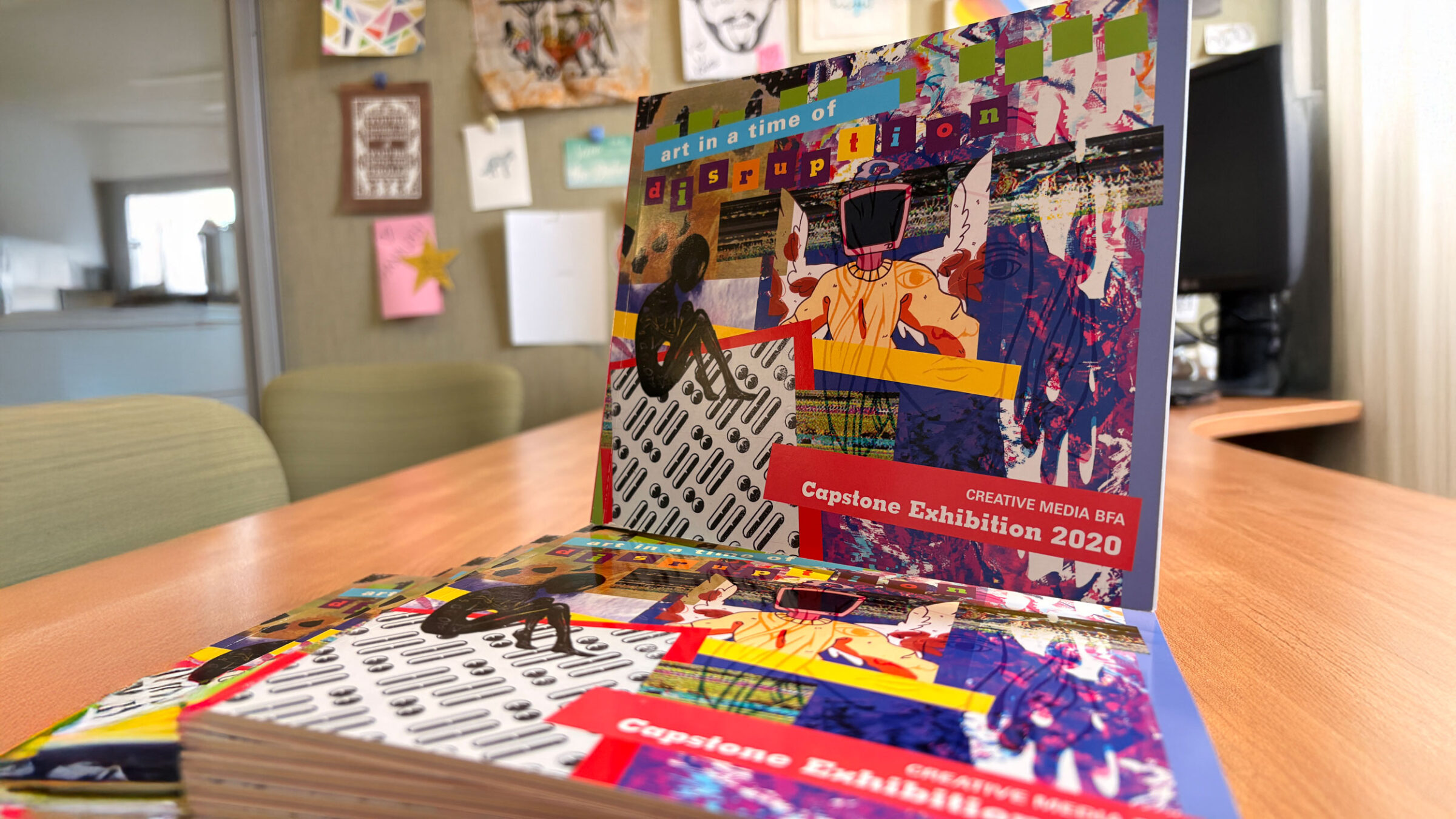
If you’ve chatted lately with an artist, someone working in a creative field, or a parent of a student who wants to become one, you’ve probably heard some version of the same worry: Will there still be jobs for creative people? Is this path practical? And what happens when AI can do everything a designer can do — faster and for free?
These are fair questions, but they’re also ones that have been asked before.
This Anxiety Has Always Existed
Every generation has had its version of this panic. When photography emerged in the 1800s, painters were told their careers were finished — why would anyone commission a portrait when a camera could capture a face in minutes? When desktop publishing arrived in the 1980s, graphic designers braced for the end. When the internet went mainstream, print professionals watched their industry seemingly evaporate in real time.
Creative Jobs Aren’t Going Anywhere
What Actually Happens When Tools Change
None of those fields actually disappeared. They changed (yes, sometimes dramatically), but in doing so, they multiplied. Take Adobe Photoshop, for example. This tool has become a standard tool for digital artists, but that advancement didn’t happen overnight. New tools didn’t eliminate creative jobs or careers for creatives. They created entirely new categories of creative careers that pay well, including many of today’s top-paying roles.
AI is the latest and most serious version of this story. It deserves an honest conversation, but before we get there, it helps to understand where creative careers have been. The pattern tells us something important about where they’re going and why there will continue to be high-paying creative jobs.
What Creative Careers Look Like Right Now
It’s not just visual artists, curators, writers, editors, and film directors making today’s creative job landscape broader and more varied than ever. UX and UI designers shape the digital experiences billions of people use every day. Motion graphics artists bring data, stories, and brands to life across every screen. Content creators, brand designers, game artists, film and video producers, environmental designers, textile artists, social media strategists — the range of people earning a living through creative work is enormous, and it keeps expanding with new jobs for creative people in emerging media and technology.

Examples of Modern Creative Roles
Working in the arts or in a creative field can be lucrative, rewarding, and long-term.
- UX Designer: In the U.S., UX designers earn a median base salary of about $98,000 per year, with experienced designers often crossing $120,000+ in major tech hubs.
- UI Designer: UI designers typically earn around $85,000–$95,000 per year, depending on location and experience.
- Motion Graphics Designer: Motion designers working in film, advertising, and digital media average roughly $78,000–$85,000 per year, with senior roles going higher.
- Graphic Designer: A foundational creative role, graphic designers in the U.S. earn a median of about $57,000 per year, with senior and specialized designers earning more.
- Art Director: Art directors overseeing visual direction for campaigns, products, and media earn a median annual wage of roughly $105,000.
- Creative Director: Creative directors guiding brand and campaign strategy often earn between $130,000 and $180,000 per year in the U.S., with top roles surpassing that range.
- Product Designer: Product designers who blend UX, visual design, and strategy typically make around $110,000–$130,000 per year in the U.S.
- Game Artist/3D Artist: Game and 3D artists working in entertainment and interactive media average roughly $70,000–$85,000 per year, with senior and technical artists earning more.
- Social Media Manager/Strategist: Creatives who plan and execute social content strategies typically earn about $60,000–$75,000 per year, with senior strategists and leads earning higher.
This data was pulled from Indeed, Glassdoor, and the U.S. Bureau of Labor Statistics.
Where the Highest-Paying Creative Work Lives
The highest-earning creative careers reflect this reality. Experience designers, creative directors, UX researchers, and creative technologists are roles that sit at the intersection of artistic instinct and strategic thinking. For example, UX researchers in the U.S. earn an average salary of $115,000 per year. Creative technologists often fall in the $110,000–$140,000 range, depending on industry and location.
These roles don’t just make things look good. They use visual and creative thinking to solve problems that purely technical people can’t, and to ask questions that purely analytical people wouldn’t think to ask. These are some of the best-paying creative careers in the market.
Hybrid Skills = Long-Term Opportunity
That combination of art, thinking, craft, and strategy is what separates a creative career from a one-off job for a creative person. It’s also why so many careers for creative personalities now blend art careers, digital design, and even coding into hybrid roles that didn’t exist a decade ago.


AI, Tools, and the Value of Human Creativity
What AI Is Changing
Generative image tools can produce polished visuals in seconds, and video synthesis is advancing quickly. AI writing assistants and automated design tools are now standard in many workflows. Certain categories of work, like stock illustration, some entry-level production design, and repetitive visual asset generation, are already being disrupted — and that disruption will continue.
At the same time, AI tools are making it easier than ever for non-creatives to dabble in the arts and find new ways of expressing themselves. That doesn’t mean that anyone can be an artist now. Research shows that, across disciplines, creative AI tools are improving academic performance in classrooms today. A study by Edelman and Adobe found that students who used these creative tools had “greater creative expression, improved confidence, deeper understanding, and improved ability to communicate ideas,” which resulted in stronger performance and higher grades.
Why Humans Still Matter
Despite AI’s capabilities, it still needs human direction. Someone has to choose the right prompts, evaluate outputs, and recognize when something is technically correct but aesthetically wrong. In the arts, that person needs training, taste, and innovative thinking. Those traits are inherently human and developed through lived experience — things AI can’t match.
AI as an Amplifier, Not a Replacement
AI handles more of a project’s execution, allowing skilled creatives to focus on tasks that require their expertise. Less time on production means more time to work on concepts, strategy, and creative direction. This is where creative careers become sustainable, high-paying jobs rather than one-off gigs.
Building Durable Creative Careers
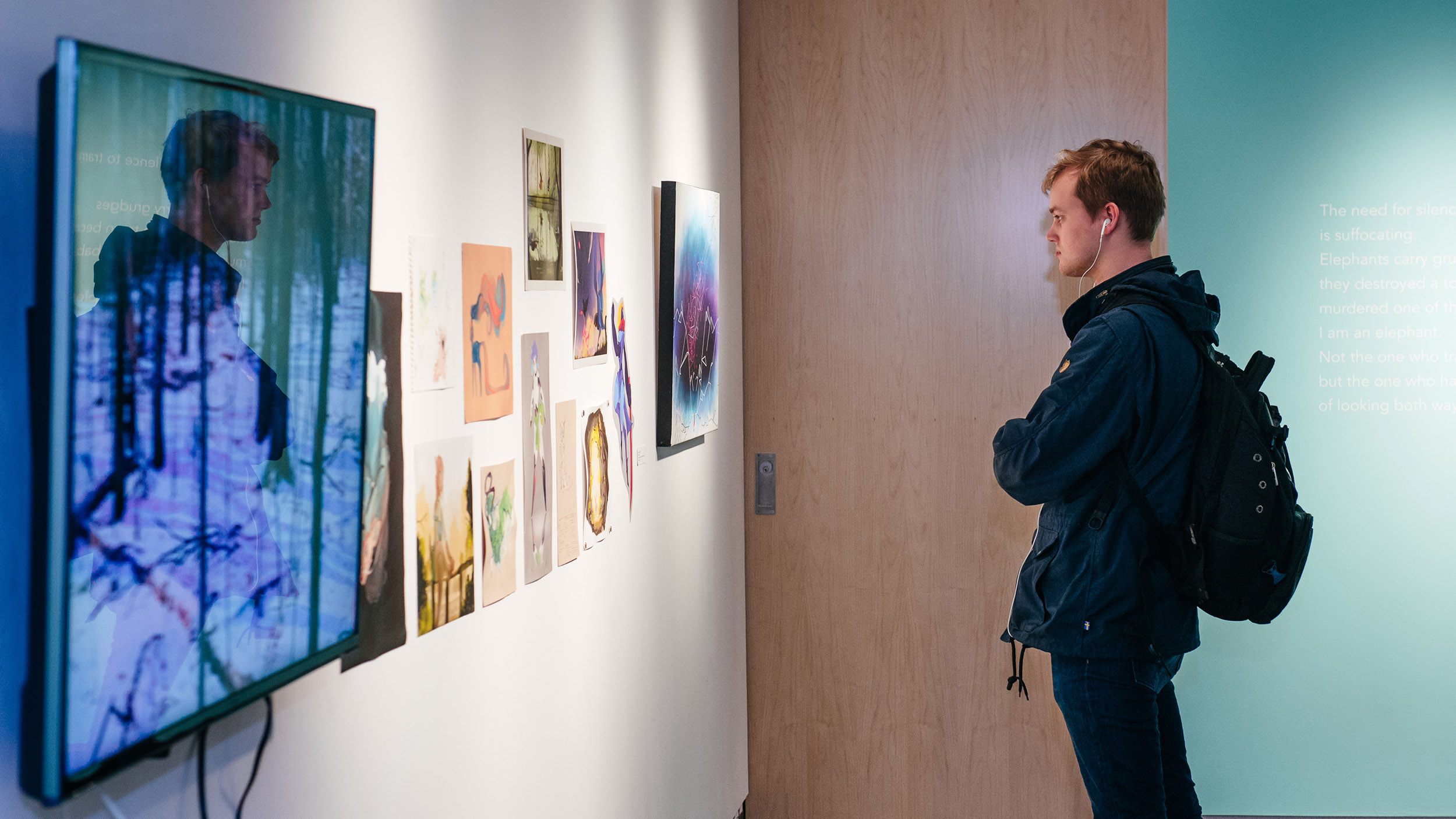
In our world of AI and digital design, it’s important to note that hands-on training in analog arts still matters. A student who has silk-screened a poster or built a physical prototype understands color, material, and form in ways that differ dramatically from how they work in digital contexts. Moving between physical making and digital design tools develops the kind of flexible visual intelligence that powers resilient creative careers and art careers in many industries.
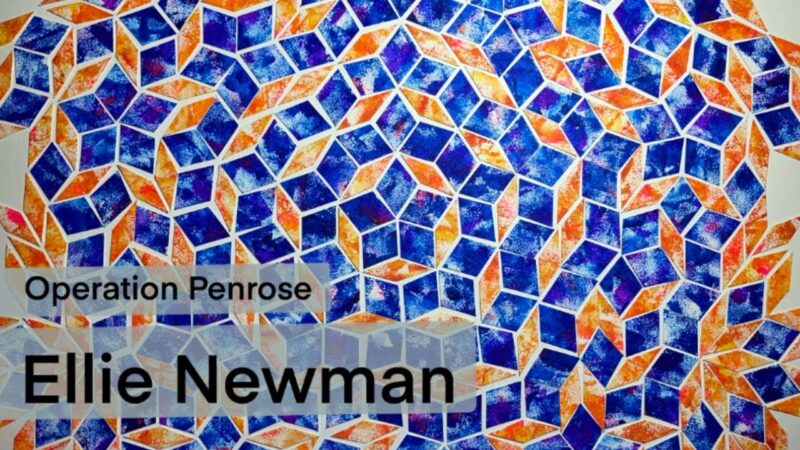
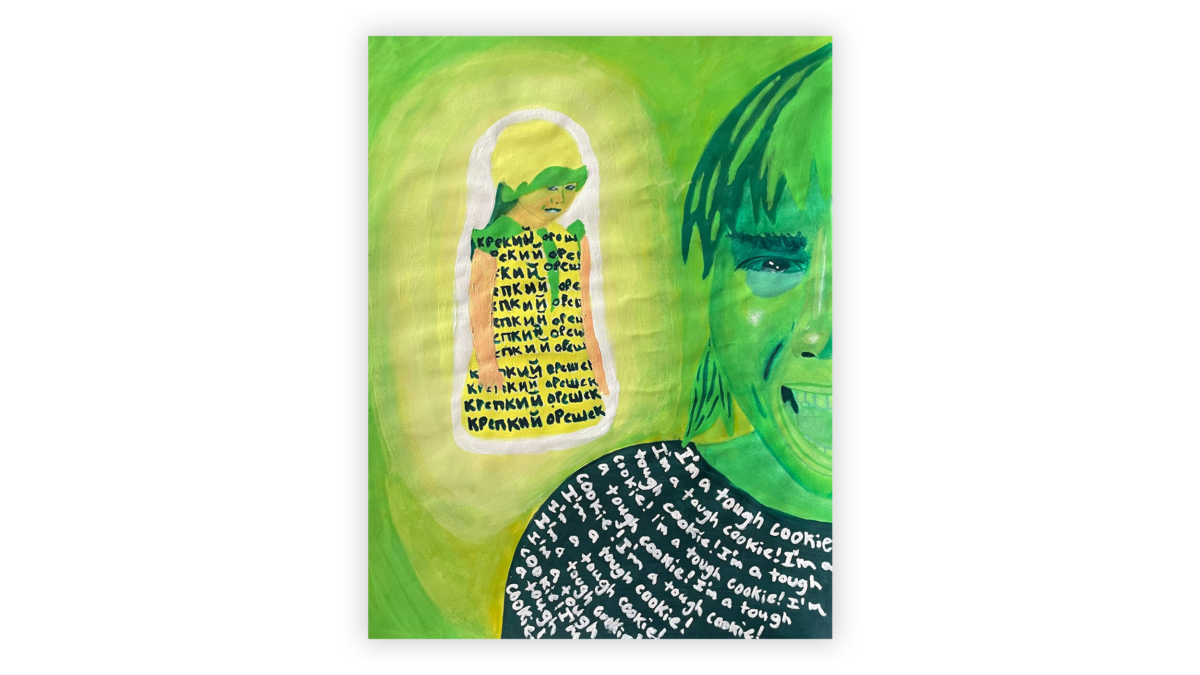
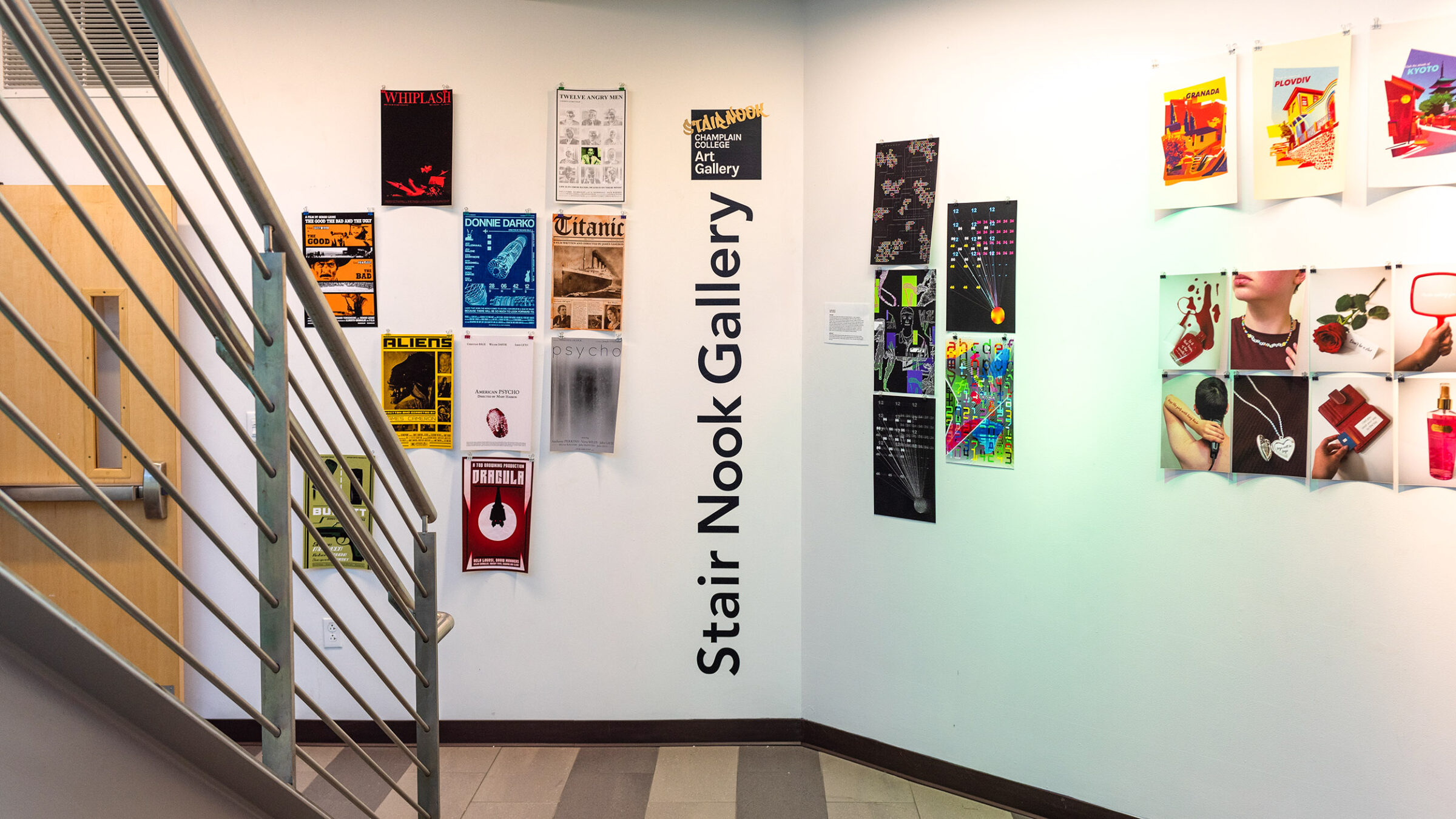
Check out some of our student work!



What Helps Creatives Thrive Long-Term
For students and parents, the core message is simple: there will continue to be creative jobs, creative careers, and entire industries built around careers for creative people. The best-paid creative jobs and creative careers will go to those who combine strong portfolios with collaborative skills, adaptability, and the ability to think across media and platforms.
Whether you’re drawn to traditional art, digital design, or hybrid roles at the intersection of tech and culture, there are real avenues for creative personalities that can lead to the best-paying creative careers. The question isn’t whether high-paying creative jobs will exist — it’s whether you’ll be ready for them.
Frequently Asked Questions
Will AI take over creative jobs?
AI will automate some repetitive and lower-level creative tasks, but it will still rely on humans for direction, taste, and judgment. The most secure creative jobs are those that involve ideas, strategy, storytelling, and leadership — the parts of the process AI can’t own. Creatives who learn to use AI as a tool rather than see it as a rival are likely to be in higher demand, not less.
Can you actually make a good living as a professional artist or designer?
Yes, but it usually doesn’t happen by accident. The most profitable creative careers tend to be in applied fields — like UX, product design, motion graphics, game art, and creative direction — where art skills are tied to clear business outcomes. Building a strong portfolio, understanding how your work creates value, and being willing to learn adjacent skills (like strategy, research, or basic coding) all increase earning potential.
Is a college degree in studio arts or design worth it?
A studio arts or design degree can be worth it if you use it intentionally: to build a standout portfolio, receive and give critique and mentorship, and access internships and industry connections. It’s not a magic ticket to a job, and it’s not the only path into creative work, but structured training and a strong network can accelerate your growth. The key is choosing a program with real-world projects, professional development support, and evidence that graduates succeed in creative careers.
Get Ready for the Future of Creative Work
A Program Built for Hybrid Creative Careers
If you’re excited by the kinds of roles described in this article, you might be a good fit for Champlain College’s Creative Media BFA. The program is intentionally interdisciplinary, allowing you to combine areas like visual communication, interactive design, storytelling, game media, and moving image so you graduate with the hybrid skills that modern creative careers demand.
Creative work today is deeply collaborative. In Champlain’s Creative Media BFA, you’ll work in teams within our Creative Studio, give and receive critique, and tackle projects that mirror professional workflows. You’ll also have access to internship opportunities, career coaching, and industry-connected faculty who understand how to translate your interests into viable creative careers that pay well.
If you’re serious about building a durable creative career that balances artistic passion with real-world opportunity, explore Champlain’s Creative Media BFA. Learn more about the curriculum, see student work, and discover how the program prepares you to build a creative life that is both financially sustainable and personally meaningful.
Looking for more information about Champlain College? Start here!
Fill out the form to receive helpful information!
All trademarks, service marks, trade names, and logos referenced in this article are the property of their respective owners. All company, product, and service names used in this article are for identification purposes only.