There are lots of reasons why graphic design is important. To start, it’s everywhere — in the signs that guide you through an airport, the packaging that convinces you to grab one product over another, and the apps you use every day without a second thought. If you can see it, someone designed it…and got paid to do so.
If you’ve ever noticed a cool font, obsessed over a color palette that was or wasn’t working, or been rubbed the wrong way by a logo that just felt off, you might already be thinking like a graphic designer. What you may not know yet is that there’s an entire discipline built around that instinct. And the best part? There’s way more to it than just logos and color swatches.
Importance of Graphic Design

What Is Graphic Design, Anyway?
At its core, graphic design is a way of communicating ideas and information through visuals that are clear, memorable, and persuasive. Picture all the ice cream options at the grocery store, book covers and magazines that catch your eye, clothing, infographics, your favorite coffee brand’s logo, and even social media posts and webpage layouts — these are all examples of where graphic design is applied.
Fundamentally, graphic design draws on a variety of principles — balance, contrast, white space, hierarchy — to create visuals that grab viewers’ attention and articulate a message. It’s how some logos are so recognizable and memorable, why a product’s packaging aligns so well with the brand’s message or values, and why some advertisements are so punchy and unforgettable.
What’s so Special About Graphic Design?
Graphic design is special because it combines complex ideas into easy-to-digest visuals, and it doesn’t only happen for branding and marketing purposes. The term “graphic design” offers broad flexibility and variety, covering many media fields and specializations. “It’s not just about being decorative,” says Champlain College Graphic Design & Visual Communication Professor Richard Doubleday, “it’s really about determining whether something is understood or trusted or ignored. It’s about this sort of management of form and content and its relationships.”
Environmental Graphic Design: Wayfinding & Semiotics
Imagine you’ve just landed in a country where you can’t read a single word of the native language. No map, no Google Translate — and yet you still can figure out exactly where you need to go to leave the airport. An arrow pointing toward a luggage-shaped icon. A figure on the restroom door. A red circle with a line through it at a gate. No one in that country told you what those symbols meant; context clues, familiarity with the symbols and rules, and all your past interactions helped your brain put two and two together.
This is the power of wayfinding and semiotics — two of the most essential reasons why graphic design is important in everyday life. Wayfinding is a form of environmental graphic design that uses maps, signs, and visual cues to help people navigate through a space. Semiotics is the study of signs and symbols and how we interpret them — and the reason a luggage icon means baggage claim, whether you’re in Burlington, Tokyo, or Reykjavík.
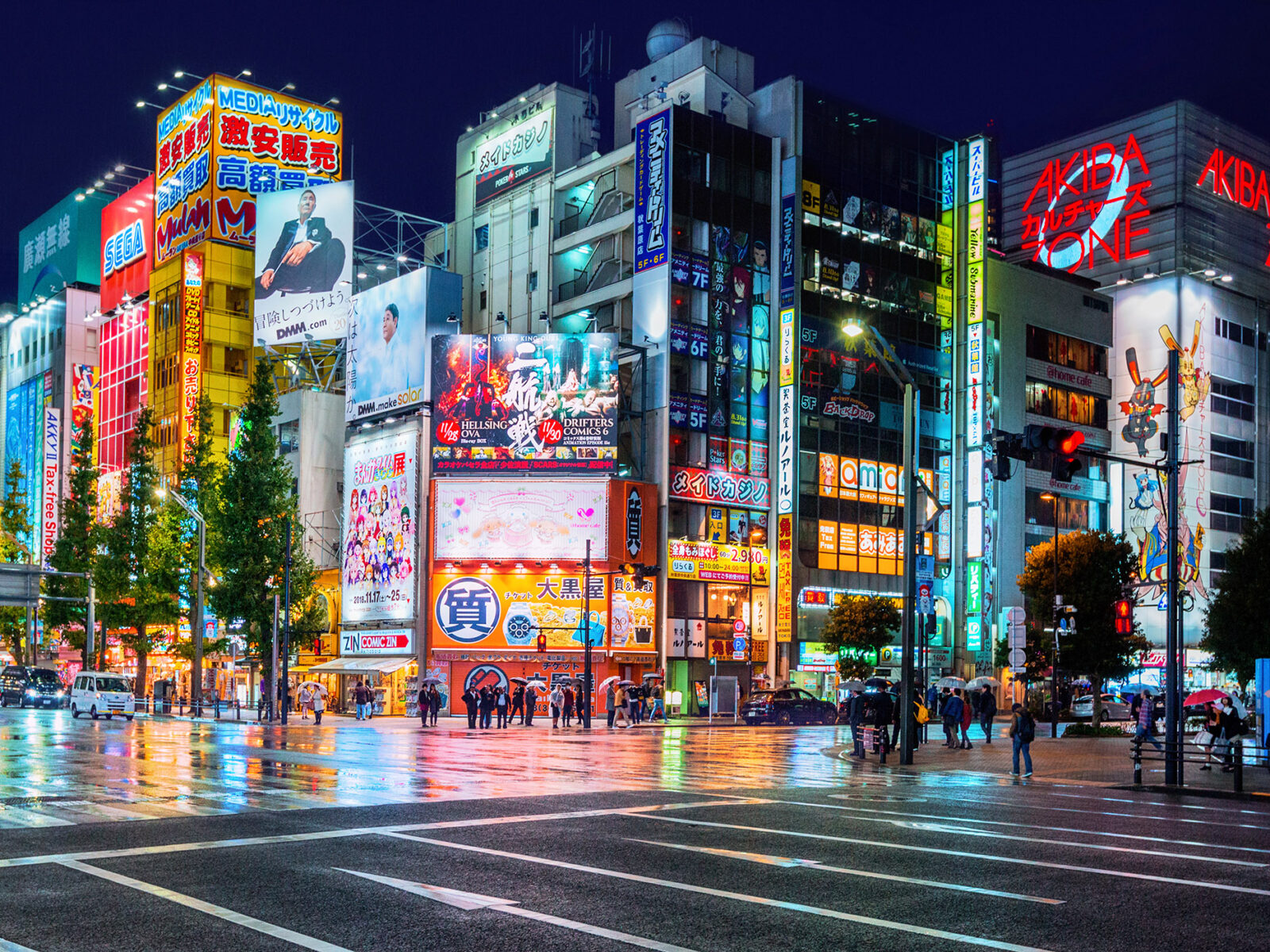
Speaking of travel, did you know Champlain students can take advantage of our Study Abroad partnership with Temple University and study in Tokyo & Kyoto, Japan, Rome, Italy, and Oviedo, Spain.
Learn More about Study Abroad OptionsThese ideas reach far beyond maps and navigation, too. Think about the last time you downloaded a new app and figured it out without a single instruction. A house means the “home” screen. A magnifying glass means “search.” Even something as familiar as a stop sign doesn’t actually need the word “stop” to do its job — the shape, the color, and the size all communicate danger and urgency before your brain has even finished reading it.
Simplifying the Complex
Some ideas are just hard to explain with words alone. Have you ever read through complicated topics, information, processes, or instructions — and maybe even read them more than once to understand them entirely? Graphic design helps solve this problem by taking information that feels overwhelming, complicated, or abstract and condensing it into easy-to-digest infographics, diagrams, and data visualizations.
Clarity is one of the hardest things to achieve as a graphic designer. It’s easy to make something decorative — it’s much harder to make something that’s both beautiful and instantly understood. As Professor Doubleday puts it, “Design history and theory aren’t just interesting — they’re what separates designers who can only respond to briefs from designers who can question them.” Every element has to earn its place, and anything that creates confusion has to go, no matter how good it looks.
Building Trust
Graphic design and brand recognition shape what we buy, the products we trust, and the companies and brands we believe in.
Next time you’re at the grocery store, look at the store-brand products sitting next to the name-brand ones. The colors, the fonts, the layout — it’s almost familiar, but slightly off. Those brands are deliberately borrowing the visual language of something you already trust, hoping a little of that authority rubs off. It’s the same reason that off-brand sits next to the name-brand on the shelf, looking suspiciously similar. These brands aren’t trying to stand out — they just need to look familiar enough that you reach for them anyway.

The Metz Barn
If you study Graphic Design at Champlain College, you’ll have a whole building dedicated to honing your craft — the Metz Barn is a small design lab where students have classes and focus time to finish their best work. Schedule a tour or attend an Open House event to see it for yourself!
Open House Events Schedule a TourBut…Why Communicate Through Visuals?
There’s psychology behind graphic design and visual communication. When you see an image, your brain quickly sorts it into two sections: how it looks visually and the word or label associated with it. For example, if you look at a photo of a German Shepherd, you’re able to recognize the animal as a dog. There’s a familiarity assigned to that image that helps you recall and associate it with other photos you’ve seen of dogs. This is called the picture superiority effect, and it’s a big reason why a great logo or a striking poster can outlast almost anything you read.
A picture really is worth a thousand words
Here’s something kind of crazy: your brain processes images faster than it processes words. Not just slightly faster, significantly faster: it only takes 13 milliseconds for your brain to take in and decode what you’re looking at. For comparison, the average reading speed of a high school student is 200–300 words per minute.
Research consistently shows that visuals are more likely to be remembered than words alone — and when you combine the two, retention increases significantly. This is called dual coding theory, and it’s exactly what graphic designers use when they pair images and text to create clear, easy-to-understand materials. Every design choice is, in some way, a decision centered around how information lives in your brain.
So what does a graphic designer actually do with all of that?
The Many Types of Graphic Design
Graphic design isn’t just one thing — it’s a whole bunch of disciplines, each with its own focus, skill set, and career path. The designers who thrive in it are rarely just one thing, either. “So many of our students at Champlain are graphic design, interaction design, and game design students,” says Assistant Professor of Graphic Design Jess Gobble, “they’re more than just someone who can put together typography and hierarchy — they’re also taking cybersecurity classes and doing 20 different things.”
Here’s a look at some of the major areas you might find yourself drawn to:
- Branding & Visual Identity are logos, color palettes, typography, and visual systems that make a brand instantly recognizable.
- Motion Design is all about the movement of static images. Motion design includes things like intro sequences, animated logos, how-to videos, and social media content.
- Editorial & Publication Design includes the layout and cover designs for print and digital magazines, zines, catalogs, books, posters, and newspapers — essentially anything where text and images need to work together on a page.
- Packaging Design is exactly what it sounds like: the design of a product’s label, box, bottle, etc. It’s the why behind the label that drew your attention, and the reason you reached for one product over the nearly identical one sitting right next to it.
- UX/UI Design focuses on the user’s overall experience on a site, digital interface, or app to ensure ease of use, accessibility, and understanding. When UX/UI design is done well, you don’t notice it at all — and that’s exactly the point.
- Environmental Graphic Design & Wayfinding includes all the visuals that help people navigate physical locations. Think interactive maps, signage, arrows, symbols, and everything that helps guide you from point A to point B without needing to ask for directions.
- Data Visualization & Information Design is the process of turning numbers, statistics, and complex data into easy-to-digest visual formats, such as charts, infographics, and diagrams.
Check out some student work
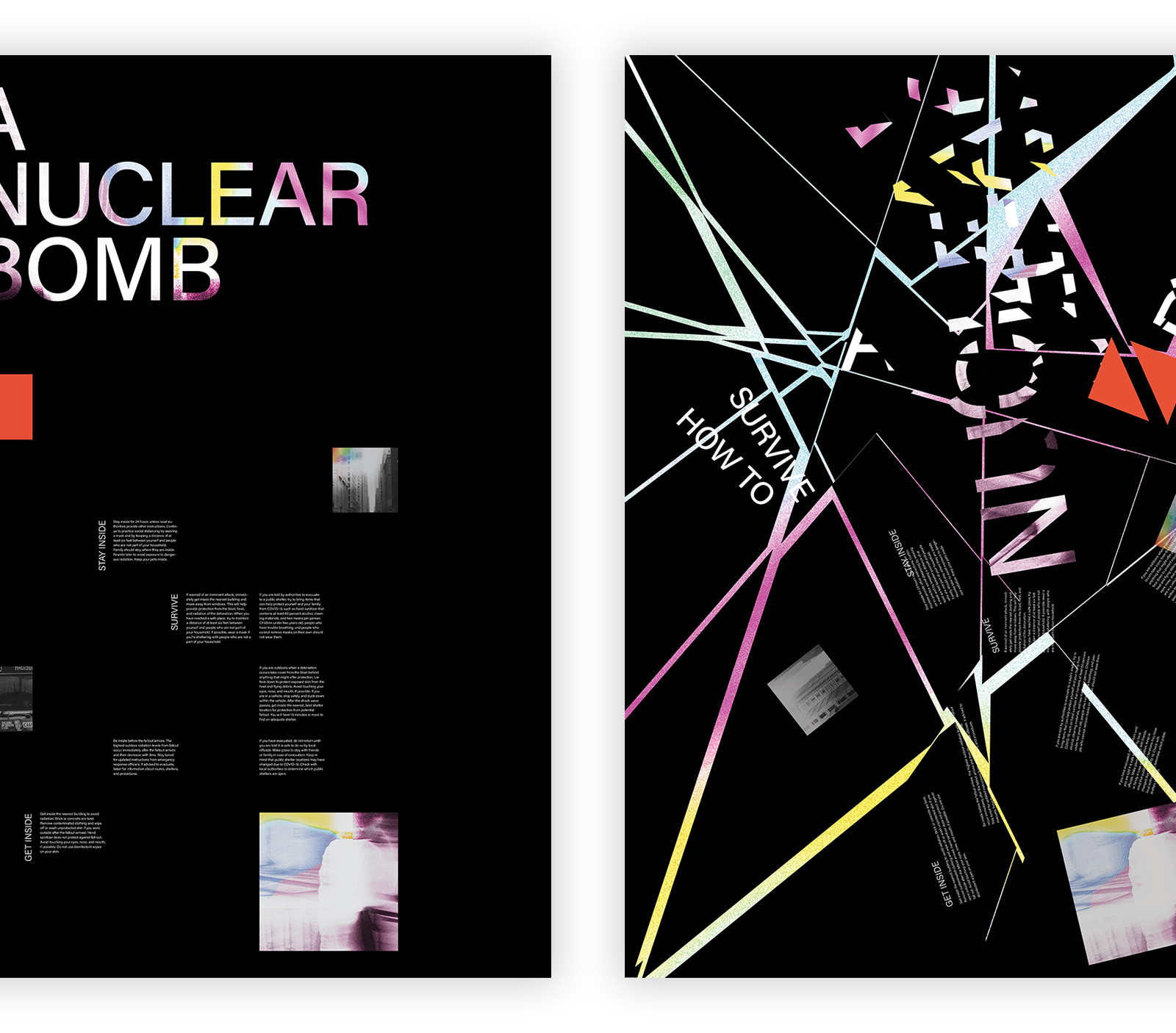
How to Survive a Nuclear Bomb: Typographic Exercise
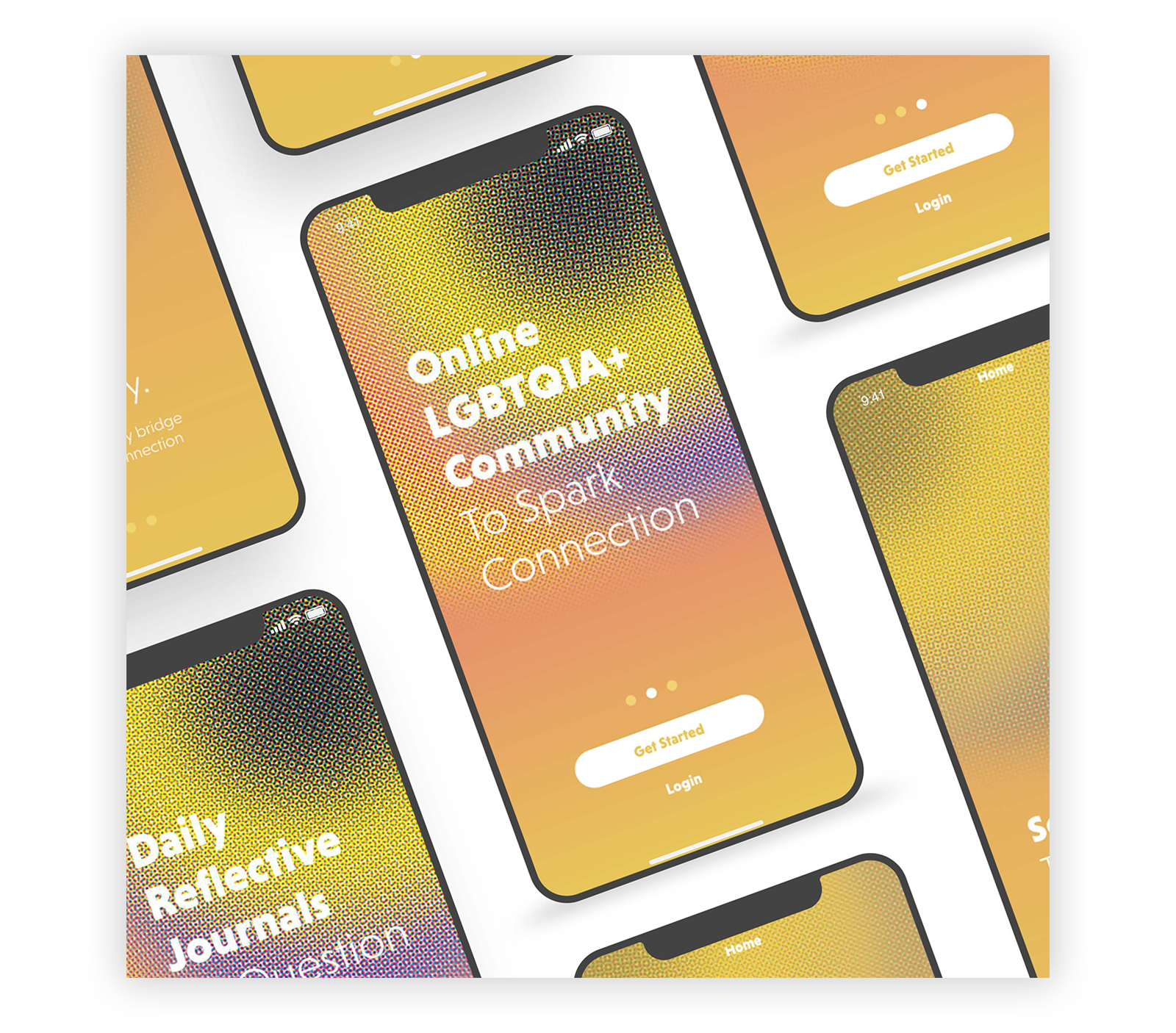
Held&Heard: Brand Collateral
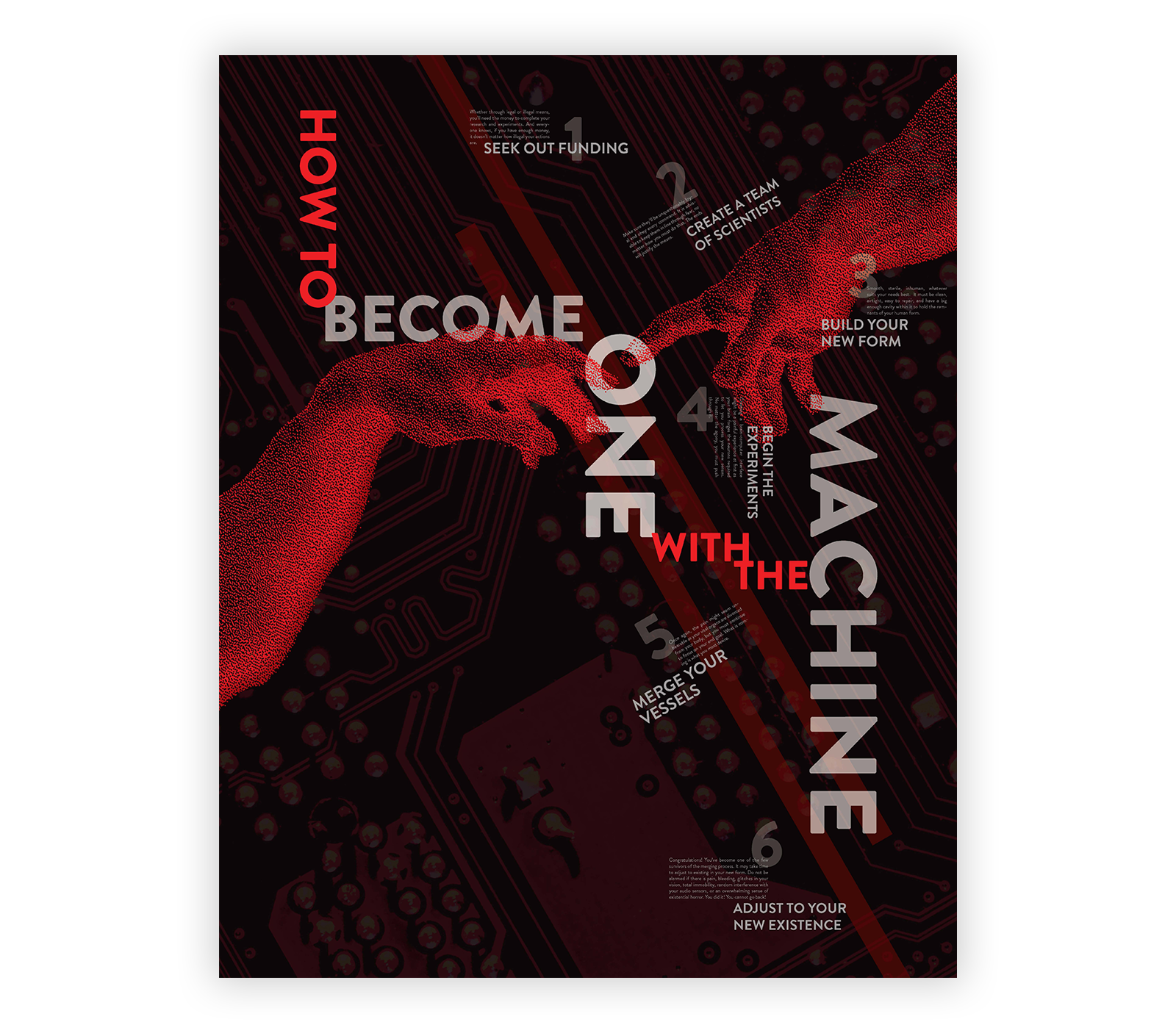
How to Become One with the Machine: Typographic Exercise
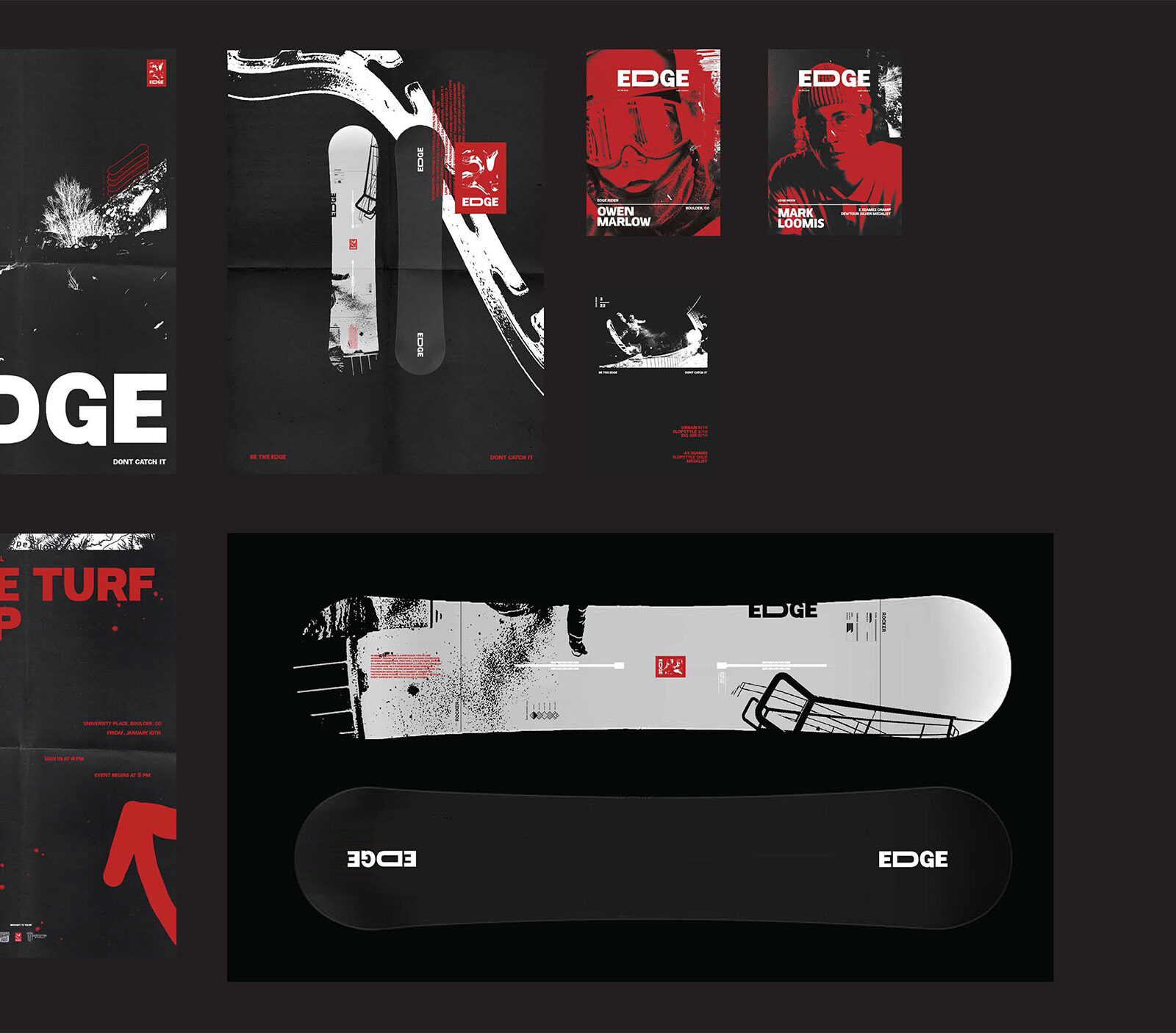
Edge Snowboards: Brand Collateral

Table Fan: Digital Illustration
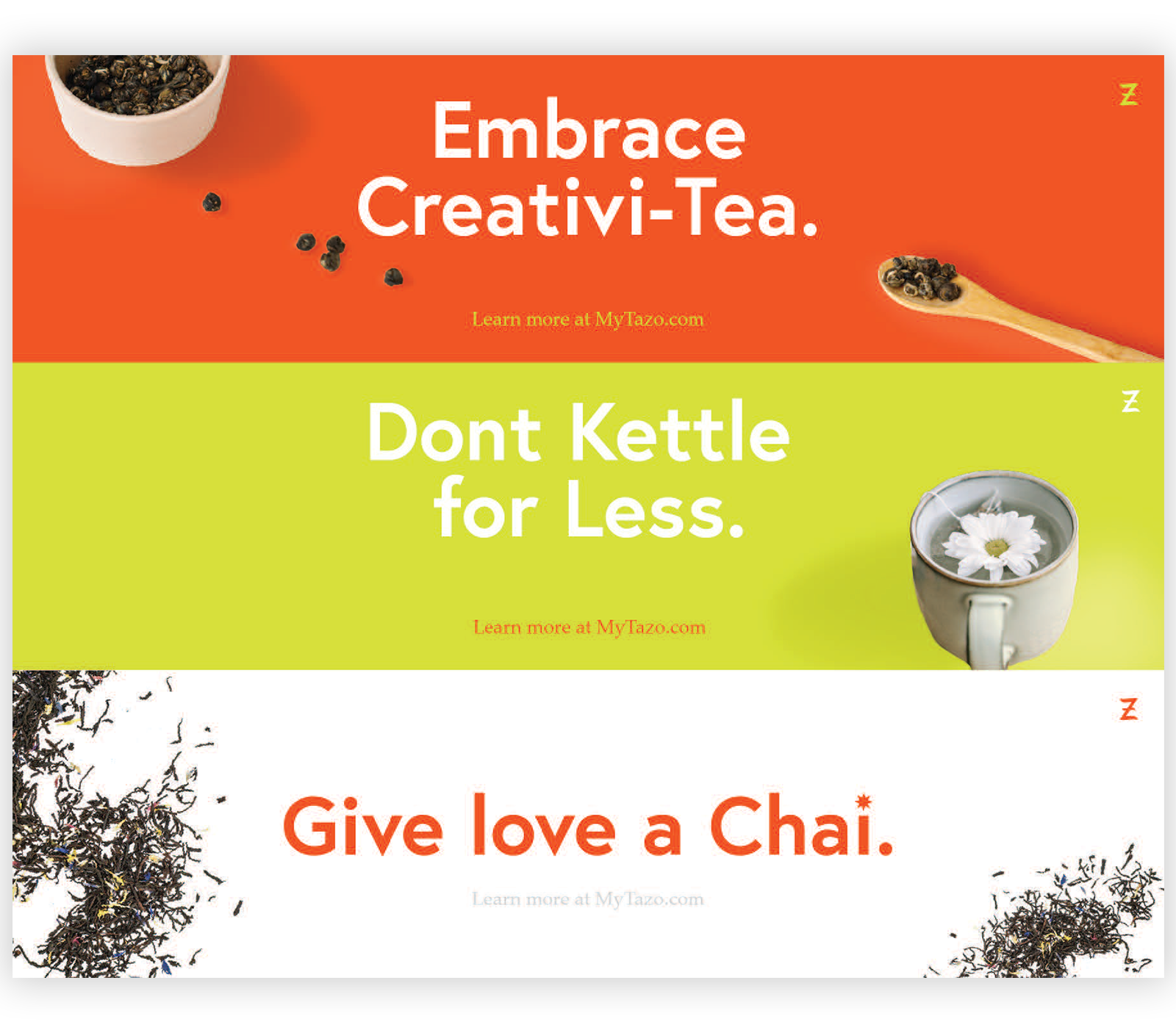
MyTazo: Brand Collateral
What Do Graphic Designers Do? Career Opportunities Explained
As a graphic designer, it’s your job to translate ideas into visuals that help people “get it” faster. Some designers go broad while others specialize. The environment you work in can change everything about the kind of work you do, as well.
Generally, working environments break down into three categories:
- Freelance/Contract: independent designers working for multiple clients on a project-to-project basis
- In-House/Design Teams: working for one company, focusing on its cohesive marketing, branding, and design
- Agency/Studio Designers: working for a company of specialists that helps other businesses increase their brand awareness and identity on a fast-paced, diverse project basis.
And within each of those paths, the actual roles you can step into are just as diverse as the field itself. Salaries can vary based on location and experience.
| Graphic Designer: | A graphic designer creates visual assets that combine images and typography to communicate messages across print, digital, and social channels. Average salary: $61,300 |
| Photo Editor & Designer: | A photo editor and designer captures and edits photos to support a brand’s visual identity and storytelling. Average salary: $49,499 |
| Motion Designer: | A motion designer is someone who creates visual movement in still images, text, and other assets. Common types of motion design include social content, animated logos, typography, and short animations. Average salary: $76,634 |
| Packaging Designer: | A packaging designer creates the look and feel of product packaging while ensuring it aligns with branding and identity, and entices consumers to purchase. Average salary: $68,738 |
| Web Designer: | A web designer plans and builds the visual layout of websites and mobile experiences, combining ease of use and cohesive experiences through user experience (UX) and user interface (UI). Average salary: $89,000 |
| Junior Book Designer: | A junior book designer works on both the interior and exterior typesetting and layout of a book, as well as its cover design. Average salary: $54,000 |
| Publication Designer: | A publication designer works on the layout, typesetting, and visual direction of print and digital publications, such as magazines and newspapers. Average salary: $86,000 |
| Multimedia Designer: |
Multimedia designers create interactive content and engaging visuals across multiple formats to create layered visual experiences Average salary: $77,513 |
| Digital Illustrator: | A digital illustrator creates original art, graphics, and concepts with digital tools Average salary: $62,000 |
Salary figures sourced from U.S. Bureau of Labor Statistics, ZipRecruiter, Indeed, and Glassdoor.
Graphic design isn’t one job; it’s a way of thinking that applies across every discipline and specialization in the field. The only way to find your corner of it is to start experimenting, follow what excites you, and see where it takes you.

Champlain Alumni Designs NFL Jersey
Check out the NFL jersey alumni Liam O’Neil ’15 designed for the New England Patriots that not only appeared on-field, but in the NFL’s Madden video game.
Read MoreFrequently Asked Questions
What industries need graphic designers?
If a business communicates with people (as most businesses do), there’s a role for graphic design in it.
Nearly every industry needs graphic designers, but some have higher demand than others. Advertising, marketing, publishing, and specialized design services are the largest employers in the field, while tech and e-commerce opportunities are growing. Other strong industries include retail, healthcare, entertainment, and education.
Is a degree in graphic design worth it?
The short answer is yes.
While you can learn through online tutorials, a structured education goes deeper than just laying the fundamentals needed for your career in graphic design. That critical foundation is hard to replicate on your own. A graphic design degree at Champlain College pairs classroom collaboration with professional networking from the start. You’ll work with real companies on real projects and build a community that supports you long after graduation.
What’s the difference between graphic design and visual communication?
Think of visual communication as the storytelling strategy, and graphic design as its execution. Professor Gobble explains it this way: “Graphic design is the development of specific visual elements for an end purpose, while visual communication focuses on the signification, story, and experience of designed elements”



Create & Study Graphic Design at Champlain College
At Champlain College, students are more than just one type of designer. With small class sizes, faculty who are invested in your success, and a project-based curriculum that starts building your portfolio from day one, you’ll graduate with more than a degree — you’ll have real work, real experience, and a community behind you.
Our goal is to open up as “We are trying to create as many avenues as possible for our designers,” says Professor Gobble. “Our designers might work in teams at traditional firms, as creative directors or interaction designers, or maybe they’re the sole designer for a mom and pop shop.”
And when you get here, you’ll be ready. “By the time students reach their senior year, they’re not needing to assemble a portfolio from scratch since each course throughout their time has contributed to building it out,” explains Professor Doubleday. “It demonstrates a range and depth based on what the industry is actually looking for. We’re preparing them for the design industry as it exists, as it’s changing, and to shape the culture of the future.”
Ready to learn more? Explore Champlain’s Graphic Design programs and see where it takes you. The path is yours to shape.
Looking for more information about Champlain College? Start here!
Fill out the form to receive helpful information!
All trademarks, service marks, trade names, and logos referenced in this article are the property of their respective owners. All company, product, and service names used in this article are for identification purposes only.